



The Kitchen Counter-Revolution
A shift is underway across India's urban centres. Tired of the health implications and soullessness of ultra-processed foods, a growing number of households are turning back the clock. This is not about rejecting modernity, but rather about consciously
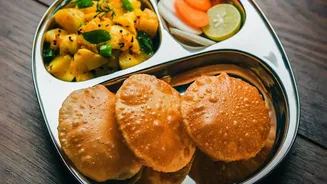
choosing to embrace heritage. The joy of home cooking is being rediscovered, moving from a daily chore to a form of self-expression and empowerment. People are trading the instant gratification of a takeaway for the deeper satisfaction of preparing a meal from scratch, reviving recipes that were once mainstays of family life but were sidelined by the rush of globalisation and convenience culture. This movement is a deliberate step towards more mindful eating, where every ingredient has a purpose and every meal tells a story.
A Recipe for Better Health
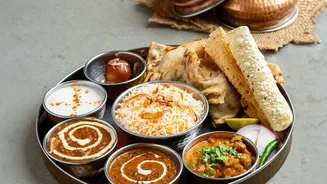
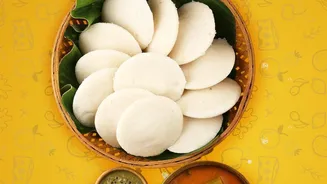
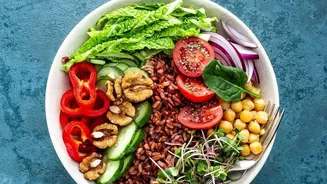
The primary driver behind this culinary revival is health. Studies increasingly link ultra-processed foods—high in refined sugars, sodium, and unhealthy fats—to a rising burden of non-communicable diseases in India like diabetes, obesity, and heart conditions. In contrast, traditional Indian diets are naturally rich in prebiotic fibre, whole grains, lentils, vegetables, and spices that support a diverse and healthy gut microbiome. Fermented foods like dahi, idli, and traditional pickles are being celebrated not just for their taste but for their probiotic benefits. By returning to these dietary patterns, people are seeking to combat the inflammation and metabolic disruption caused by processed diets, opting for nourishment that has sustained generations.
More Than a Meal, It's a Memory
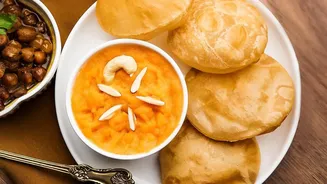
This trend is about more than just nutrition; it's a powerful act of cultural preservation. For many urban dwellers, especially millennials and Gen Z who have moved away from their hometowns, cooking a family recipe is a way to reconnect with their roots and combat a sense of displacement. These dishes carry stories of seasons, festivals, and the ingenuity of using local ingredients. The act of recreating a grandmother's dal or a forgotten regional curry becomes a bridge to the past, a way to honour family legacy and preserve culinary traditions for the next generation. In a world of fleeting digital trends, these 'lost recipes' offer a tangible connection to identity and a comforting taste of home.
The New Heirlooms on the Block
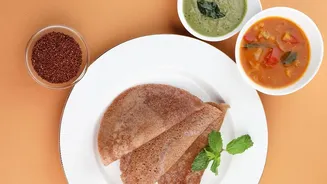
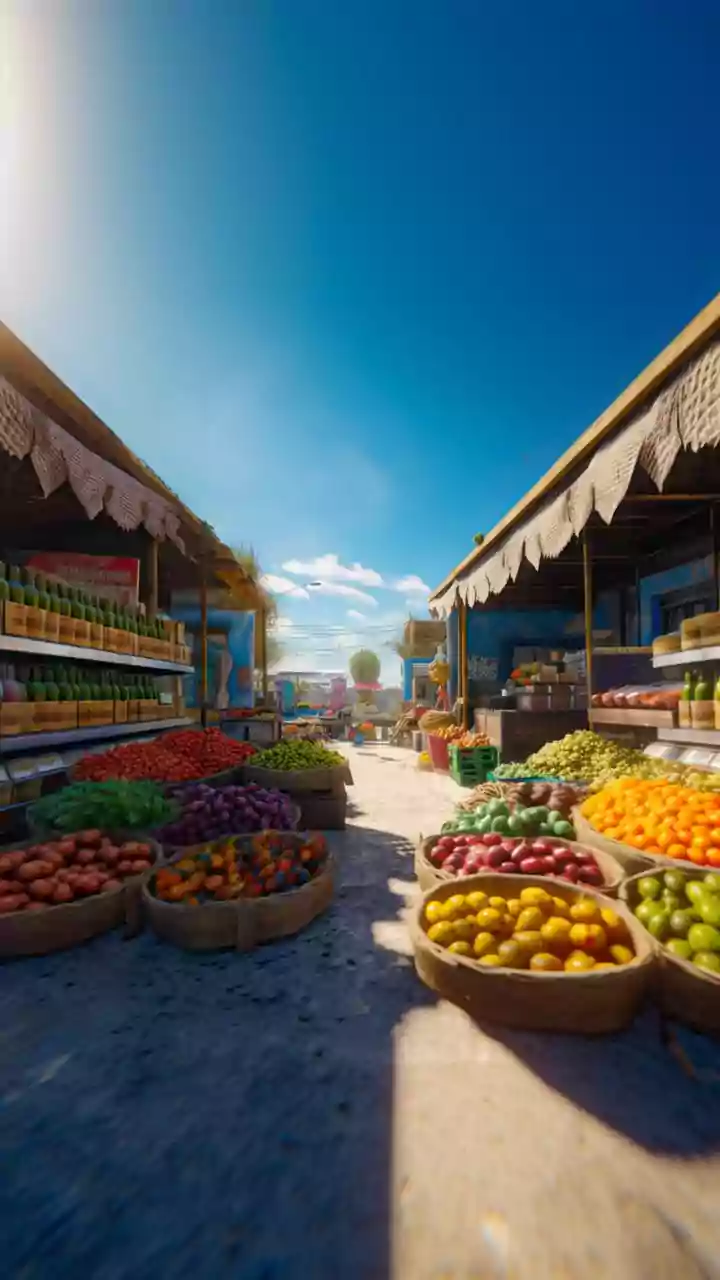
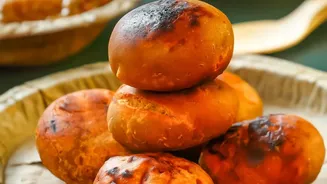
The revival is seeing a fascinating blend of old and new. It's not just about replicating dishes exactly as they were, but adapting them for modern palates and lifestyles. Ancient grains like millets (ragi, jowar, bajra) are making a huge comeback, appearing in everything from breakfast bowls to baked goods. Ingredients like makhana (fox nuts), sattu (roasted gram flour), and moringa are being rediscovered as 'Indian superfoods'. Chefs and home cooks alike are exploring lesserknown regional cuisines, bringing dishes like the Kashmiri 'Koshur Haakh' or steamed 'Fara' dumplings from Uttar Pradesh back to the dining table. This creative reinterpretation ensures that heritage food doesn't remain a relic, but evolves into a vibrant part of contemporary Indian life.
The Challenges of Slow Cooking
Despite its growing appeal, embracing heritage cooking in a fast paced urban environment isn't without its challenges. The biggest hurdle is time. Traditional cooking often involves slow deliberate processes that can be hard to fit into long workdays and busy schedules. Sourcing authentic high quality ingredients can also be difficult as industrial food production has narrowed the variety available in many city markets. Furthermore with the decline of the joint family system many traditional cooking skills and recipes were not passed down leaving a generation to learn from scratch often relying on online tutorials and community groups to fill the knowledge gap. This makes the effort to cook traditionally a conscious and often demanding choice.