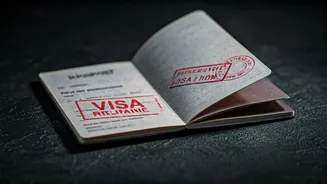









The New Reality of Travel
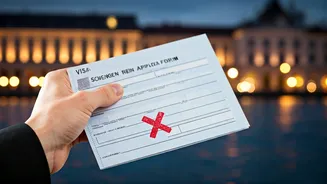
For Indian citizens, international travel planning has a new, non-negotiable step: assessing visa rejection risk. Data from recent years shows a worrying trend. In 2025, Indian applicants for Schengen visas faced a rejection rate of 15.8%, slightly above
the global average. This translated to over 181,000 rejected applications from India alone for the Schengen area. The financial sting is significant, with non-refundable fees from various visa applications costing Indian travellers crores of rupees annually. The issue isn't confined to Europe. Other popular destinations for tourism and study, including the US, have also shown fluctuating and, in some cases, rising refusal rates for certain visa categories.
Why Are More Visas Being Denied?
There isn't a single reason for the increase in rejections, but rather a combination of factors. Stricter immigration policies in many countries post-pandemic play a major role, as does a higher volume of applications leading to greater scrutiny. For consular officers, the primary concern is often the applicant's intent to return to India. They look for strong ties to your home country, such as a stable job, family responsibilities, or property ownership. Any doubt that you might overstay your visa is a major red flag. Other common reasons for refusal include simple but costly mistakes like incomplete documentation, inconsistencies between your application and supporting papers, or applying to the wrong consulate.
Know the Rejection Hotspots
While an application can be denied by any country, data shows significant variance. Within the Schengen zone, the rejection rate for Indians can be a lottery. In 2025, countries like Slovenia, Bulgaria, and Greece had non-issuance rates for Indians well over 30%. In stark contrast, nations like Germany and Denmark maintained much lower rejection rates, despite Germany handling a very high volume of applications. This disparity highlights that the specific consulate you apply to can dramatically affect your chances, even within a unified visa zone. For student visas to the US, applicants have also faced an increasingly tough environment, with some reports indicating a significant rise in F-1 visa refusal rates for Indians.
Strengthening Your Application
The key to overcoming these odds is a meticulously prepared application. The single biggest reason for rejection is often related to finances and the intent to return. Provide clear, consistent financial documents that show a stable income and sufficient funds for your trip, avoiding sudden large deposits right before applying. Your itinerary should be detailed and logical, supported by hotel bookings and flight reservations. A well-written cover letter that explains your purpose of travel, your strong ties to India, and your commitment to return can make a significant difference. Ensure your passport is valid for at least six months beyond your planned return and has at least two blank pages.
Beyond the Paperwork: The Human Element
If your visa process includes an interview, your preparation is crucial. Consular officers are trained to spot inconsistencies between your application and your answers. Be prepared to confidently and honestly discuss your travel plans, your financial situation, and why you will return to India. Avoid giving memorized, rehearsed answers. The goal is to present yourself as a genuine traveller with a clear and legitimate purpose for your visit. Remember, every document and every answer should tell the same coherent story. Don't let small, avoidable errors derail your entire trip. By being diligent and thorough, you can significantly improve your chances of getting that coveted stamp in your passport.