



The Comeback of Ancient Grains
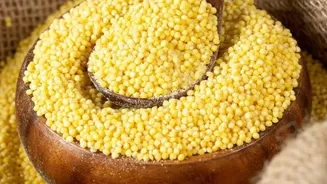
For centuries, millets like jowar, bajra, and ragi were staples across India. These hardy, nutrient-dense grains were an integral part of our regional diets until the Green Revolution in the mid-20th century, which prioritized high-yield varieties of rice
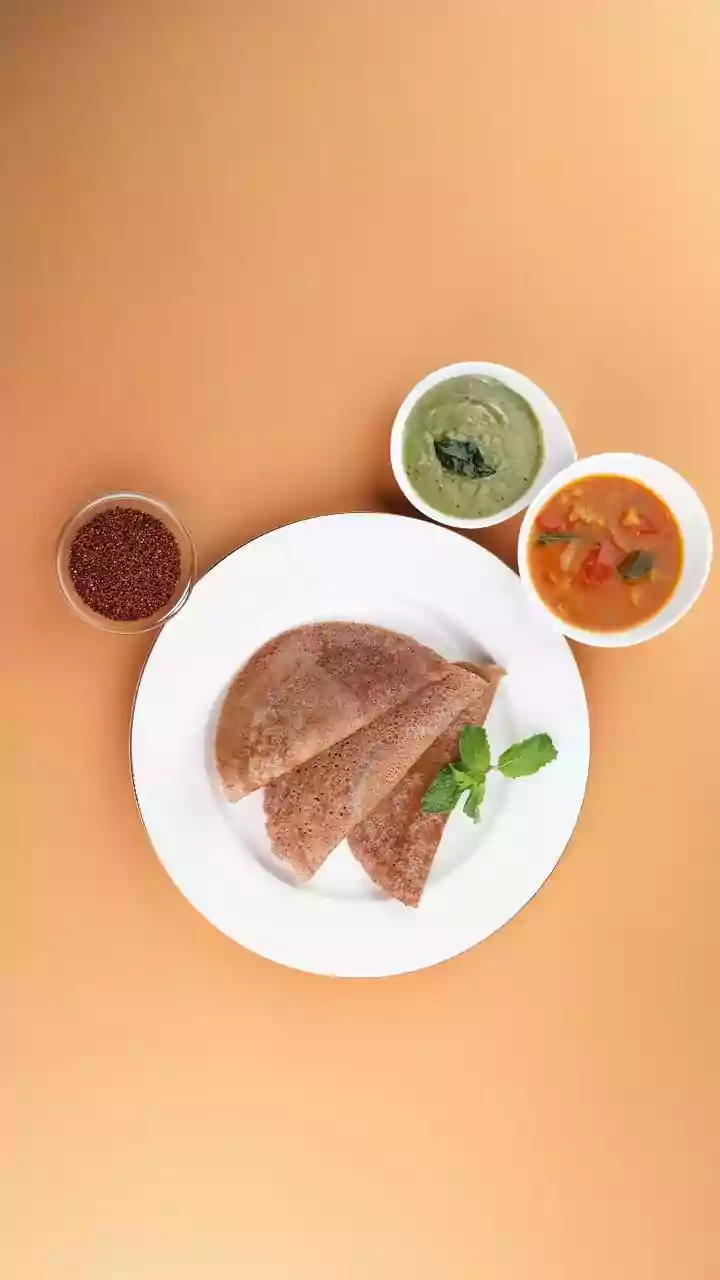
and wheat. While successful in ensuring food security, this shift pushed versatile millets into the background, often branding them as 'poor man's grain'. Today, a growing awareness around health, wellness, and sustainable eating is bringing these forgotten superfoods back into the spotlight. Urban consumers are now rediscovering millets not just for their nostalgia factor, but for their impressive nutritional profile and climate-resilient nature.
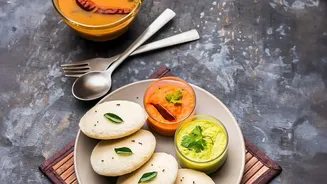
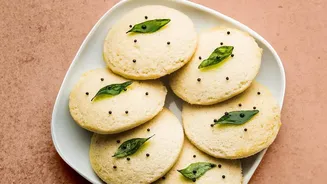
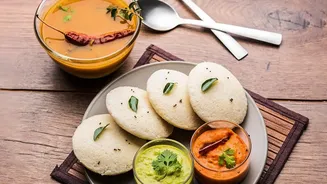
Idli: A Steamed Wonder, Reimagined
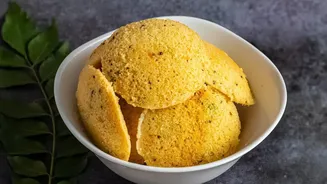
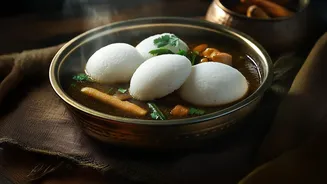
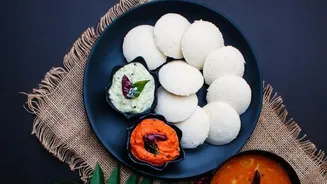
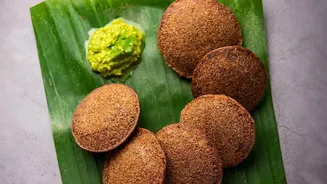
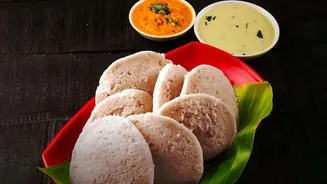
The humble idli, a universally loved South Indian breakfast, is a perfect example of this revival. Traditionally made from a fermented batter of rice and urad dal, idlis are celebrated for being light, easily digestible, and oil-free. Now, home cooks and innovative chefs are replacing or supplementing the rice with various millets like foxtail, kodo, and barnyard millet. The process remains the same—soaking, grinding, fermenting, and steaming—but the result is a nutritionally superior dish. Millet idlis are denser in fibre, protein, and essential minerals compared to their rice-based counterparts. They also have a lower glycemic index, which helps in managing blood sugar levels and keeping you full for longer.
Appam: A Crispy, Fluffy Delight
Similarly, the appam—a delicate, bowl-shaped pancake from Kerala with crispy lace-like edges and a soft, fluffy centre—is getting a healthy makeover. Traditionally made with fermented rice batter and coconut milk, appams are a culinary delight. By incorporating millet flour into the batter, this dish gains an extra layer of nutrition without compromising its unique texture. The slightly nutty flavour of millets complements the subtle sweetness of the coconut milk. Steamed in a special pan called an 'appachatti', these millet appams offer the same comforting experience but with added health benefits, making them an excellent choice for a light yet satisfying meal.
The Urban Health Awakening
The rising popularity of millet-based idlis and appams in cities is directly linked to a broader lifestyle shift. With an increase in diet-related health issues, urban Indians are actively seeking out foods that are both delicious and beneficial. Millets fit this need perfectly. They are rich in fibre, which aids digestion, and packed with minerals like iron, magnesium, and calcium. Many millets are also naturally gluten-free, catering to a growing demographic with gluten sensitivities. This 'back to the roots' movement is visible everywhere, from trendy cafes in Bengaluru and Mumbai offering millet-based menus to home chefs sharing their healthy recipes online.
Embracing Tradition in a Modern Way
The resurgence of traditional dishes made with ancient grains is more than just a passing fad. It represents a conscious decision to integrate ancestral food wisdom into contemporary life. Packaged millet idli mixes, millet-based restaurants, and cloud kitchens are making it easier than ever for busy urbanites to enjoy these healthy meals without spending hours in the preparation. This blend of tradition and convenience ensures that the rich culinary heritage of India continues to evolve and thrive, finding a cherished place on the dining tables of a new generation. By choosing a millet idli for breakfast or a fluffy millet appam for dinner, we are not just eating a meal; we are partaking in a delicious and powerful movement towards better health.