






The Gut Under Siege
First, a quick refresher on how antibiotics work. These powerful drugs are designed to kill harmful bacteria causing your infection. The problem is, they're not very selective. As they wage war on the bad guys, they also wipe out many of the beneficial
bacteria living in your gut. This community of trillions of microorganisms, known as the gut microbiome, is crucial for everything from digestion to immunity. When its diversity is reduced, it creates a power vacuum, leaving your gut more vulnerable to disruption and making it easier for less desirable microbes to take over.
New Evidence Links Sugar to Gut Damage
For years, the advice has been debated, but recent evidence has brought new clarity. A major study published in the journal Nature in September 2026 found that consuming sugar while taking antibiotics can significantly worsen the damage to the gut microbiome. Researchers tracked hospitalized patients and found that those who consumed more sugar while on antibiotics experienced a more dramatic loss of microbial diversity. Specifically, for every 100-gram increase in sugar—roughly the amount in two cans of soda—the diversity in the microbiome dropped by an additional 21-24%.
Fueling the Wrong Crowd
So what's happening? The running theory is that sugar provides a ready food source for the more resilient, and often more harmful, bacteria that survive the antibiotic onslaught. The Nature study observed that the combination of antibiotics and a high-sugar diet led to a bloom of a specific bacterium called Enterococcus faecium. This is concerning because this particular microbe is linked to difficult-to-treat hospital infections. Mouse studies confirmed this pattern, showing that a high-sucrose diet combined with antibiotics caused a dramatic spike in Enterococcus levels in the gut.
The Candida Connection
One of the most common concerns about sugar and antibiotics is its link to yeast infections, particularly Candida overgrowth. Antibiotics are a known trigger because they eliminate the good bacteria that normally keep yeast populations in check. Since yeast feeds on sugar, the fear is that a sugary diet creates the perfect storm for an overgrowth, which can cause symptoms like oral thrush or vaginal yeast infections. While the direct cause-and-effect in every person is complex, limiting excess sugar is a common recommendation for those prone to yeast issues, especially during and after a course of antibiotics.
What About Antibiotic Resistance?
The threat of antibiotic resistance is a global health crisis, but the role of your personal sugar intake is less direct. The primary driver of resistance is the overuse and misuse of antibiotic medications. However, by promoting the growth of opportunistic bacteria like Enterococcus, a high-sugar diet during treatment could indirectly contribute to an environment where resistant strains are more likely to thrive. The bigger picture remains focused on appropriate antibiotic use, but maintaining a healthy, balanced gut environment is a piece of the puzzle.
Your Dietary Game Plan
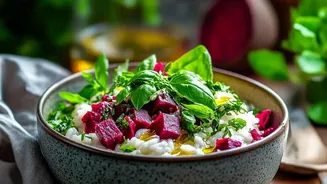
While researchers say it's premature to make a universal recommendation for everyone on antibiotics to completely avoid sugar, they also note there's no harm in limiting it. When you're on medication, focus on supporting your gut. Prioritize fiber-rich foods like vegetables, beans, and whole grains, which feed beneficial bacteria. Fermented foods like yogurt and kefir contain probiotics, which can help replenish healthy microbes. If you're experiencing stomach upset, bland foods like crackers, rice, and bananas can be gentle on your system. And above all, stay hydrated with plenty of water.