


The Emerald Western Ghats
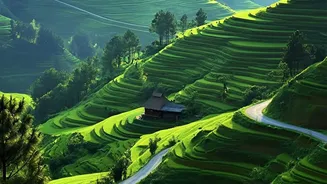
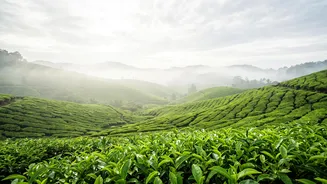
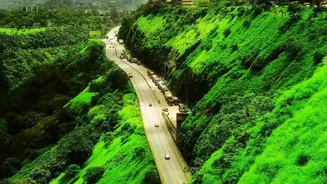
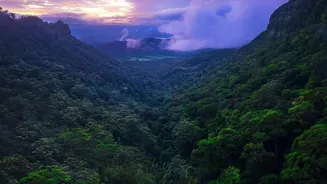
Stretching along India's western coast, the Western Ghats undergo a dramatic transformation. Hills that were brown and weary just weeks before burst into a thousand shades of green. This UNESCO World Heritage site, older than the Himalayas, becomes a paradise
of overflowing waterfalls, misty trails, and thriving rainforests. In places like Coorg and Agumbe in Karnataka, the air hangs thick with the aroma of wet coffee plantations and damp earth. Waterfalls like Abbey and Iruppu, once gentle streams, now cascade with force, offering dramatic subjects for slow-shutter photography. The forests throb with life, from singing frogs to rare amphibians, creating a sensory overload that is both exhilarating and deeply calming.
Meghalaya: The Abode of Clouds
Home to some of the wettest places on Earth, Meghalaya becomes a spectacle of nature's power during the monsoon. Cherrapunji and Mawsynram are drenched in near-constant rain, creating a dreamscape of rolling mist and emerald valleys. This is where waterfalls are not just a feature but the main event. The mighty Nohkalikai Falls, India's tallest plunge waterfall, and the Seven Sisters Falls become thunderous torrents of water. Beyond the falls, the region's famous living root bridges, grown over centuries by the Khasi people, glisten with rain, creating an almost surreal photographic subject. The experience here is immersive; clouds drift at eye level, and the entire landscape feels alive and constantly in motion.
A Desert in Bloom: Rajasthan's Surprise
Perhaps the most surprising monsoon transformation occurs in Rajasthan. The arid landscapes of the desert state, known for their golden sands and scorching sun, receive a new lease on life. After months of heat, the rains bring a unique glow, turning barren cliffs into the backdrop for seasonal waterfalls. Cities like Udaipur, with their lakes filled to the brim, offer a magical charm. The Aravalli hills shed their dry exterior for a coat of lush greenery, attracting travellers who want to see this unexpected side of the state. It is a time for what some call "green tourism," when places like Kumbhalgarh and Ranakpur offer enchanting views of ancient forts set against vibrant, rain-fed landscapes.
The Valley of Flowers, Uttarakhand
Open to the public only for a few months a year, Uttarakhand's Valley of Flowers National Park is a destination that owes its entire spectacle to the monsoon. From July to September, this high-altitude valley explodes into a riot of colour, with over 500 species of wildflowers blooming across its meadows. It’s a UNESCO World Heritage Site where every path feels like walking through a painter's palette. The frequent mists and gentle rain intensify the colours of the Himalayan blue poppy, primulas, and marigolds, making it a paradise for macro and landscape photographers. The cool, crisp air, combined with the breathtaking floral display against a backdrop of snow-capped peaks, makes the trek here an unforgettable experience.
The Backwaters of Kerala
Known as 'God's Own Country', Kerala's beauty is amplified during the monsoon. The famous backwaters, a network of canals, lakes, and lagoons, are rejuvenated by the rains. Houseboats glide through glistening channels lined with impossibly green palm trees and overflowing paddy fields. The rains in Kerala can be heavy, sometimes lasting for days, but this adds to the atmosphere, creating a tranquil and romantic setting. The landscape becomes a rich tapestry of deep greens and dark waters, reflecting the dramatic, cloud-filled skies. It's a time when nature feels both powerful and serene, offering a unique perspective on a classic Indian destination.