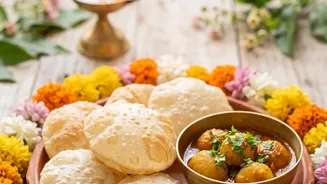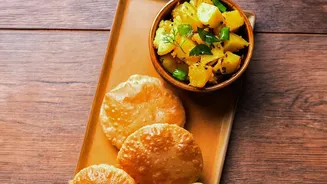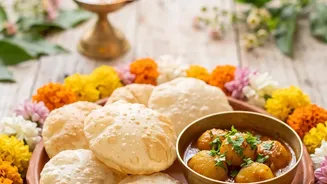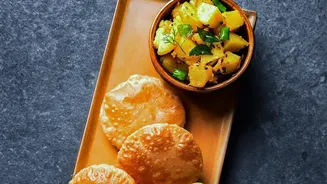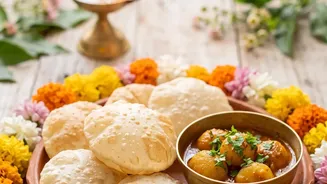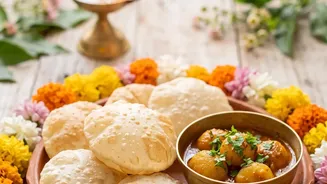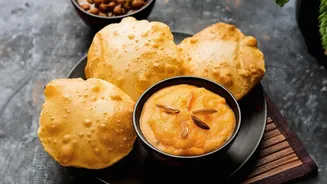




There’s a certain magic to winter mornings in India. The air is crisp, the sun is gentle, and a familiar craving awakens: the desire for something hot, savoury, and deeply comforting. For many, the perfect answer is a plate of puri sabzi.
An Enduring Breakfast Ritual
Puri sabzi, or
puri bhaji, is more than just a meal; it is a cherished tradition across the Indian subcontinent. While enjoyed year-round, this combination of deep-fried, puffed-up bread and spiced vegetable curry holds a special place during the colder months. The origin of this beloved dish is believed to be in the northern regions of India, particularly Uttar Pradesh and Punjab, from where it has spread to become a national favourite. It is a staple not only in homes but also as a popular street food and a classic meal for train journeys, cementing its place in the nation's culinary identity.
The Science of Winter Comfort
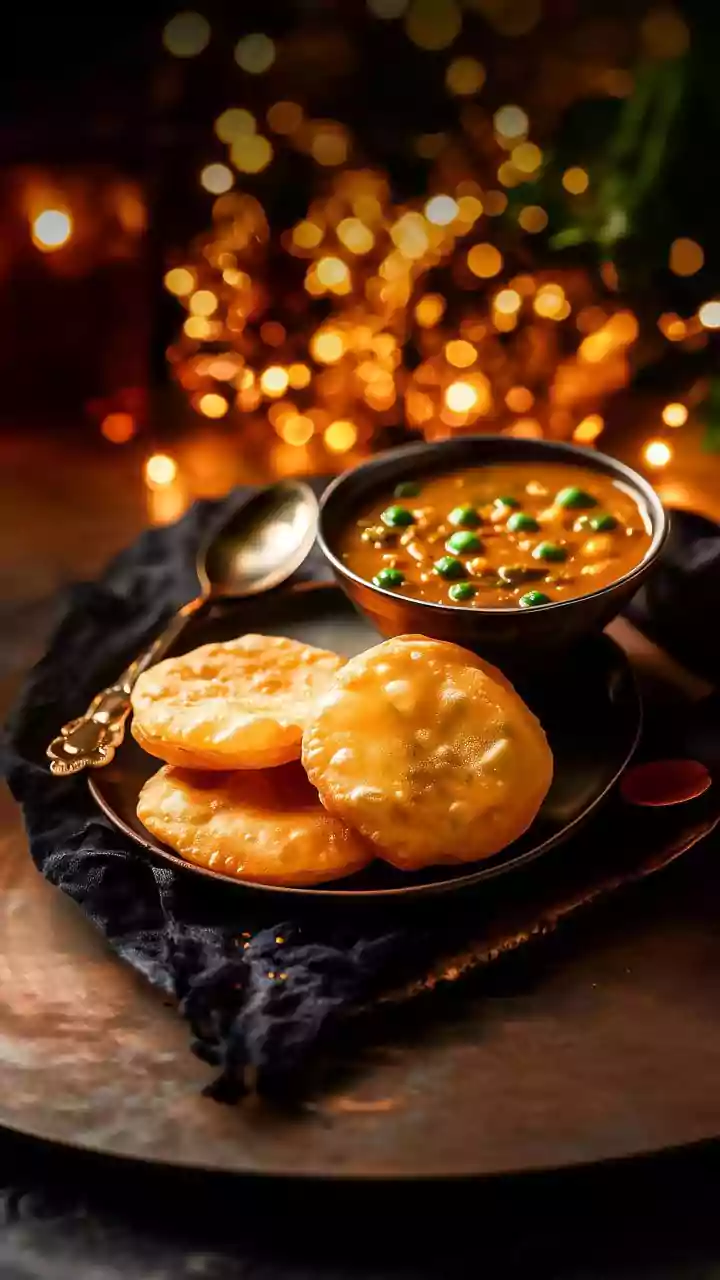
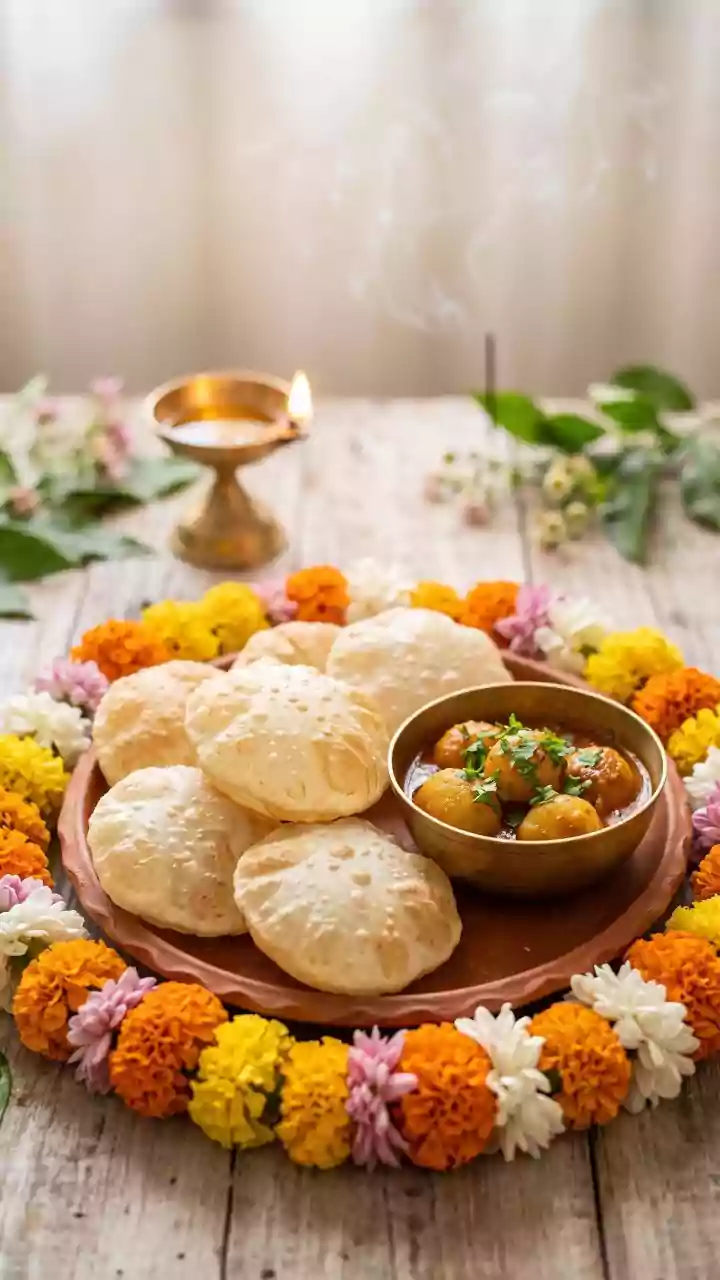
The appeal of puri sabzi in winter is rooted in a simple bodily response. When temperatures fall, our bodies crave calorie-dense foods to generate heat and energy. Crispy, fried snacks and hearty meals provide a sense of deep satisfaction and warmth from within. The combination of hot, fluffy puris, rich in carbohydrates, and a warm, spiced sabzi perfectly fits this need. The puris are typically made from whole wheat or refined flour, rolled into discs that puff up dramatically when fried in hot oil. This process creates a delightful contrast: a crisp exterior giving way to a soft, airy interior, ideal for scooping up the accompanying curry.
A Symphony of Spice and Sabzi
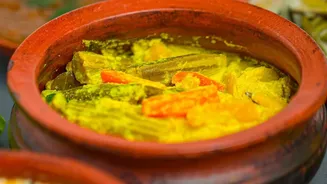
The 'sabzi' half of the duo is where regional diversity truly shines. The most classic pairing is aloo ki sabzi, a flavorful potato curry. However, the preparation varies immensely. In North India, the aloo sabzi is often tangy and spicy, sometimes referred to as 'station wale aloo' due to its popularity at railway platforms. In some homes and regions, the potatoes are cooked in a thin, soupy gravy, while others prefer a drier, stir-fried version known as bhaji. Beyond potatoes, the puris might be served with a spicy chickpea curry (chole), a sweet and sour pumpkin dish (kaddu ki sabzi), or even lentil preparations.
Regional Twists on a Classic
The puri itself is a canvas for culinary creativity across India. While the plain puri is universally loved, many regions have their own special versions. In Uttar Pradesh and Delhi, 'Bedmi Puri' is a festive favourite, made by incorporating a spiced paste of urad dal into the dough for a heartier, more flavourful bread. Bengal prides itself on the delicate 'Luchi', made with refined flour (maida) for a softer, whiter result, typically served with cholar dal. In Gujarat, you might find 'Masala Puri', where spices like turmeric, chili powder, and carom seeds are mixed directly into the dough. From Palak Puri in Punjab to Sooji Puri in Rajasthan, each variation tells a story of local ingredients and tastes.
More Than a Meal, It's a Memory
Ultimately, the enduring appeal of puri sabzi on a winter morning lies in nostalgia and a sense of community. It's the taste of festive mornings, Sunday family breakfasts, and impromptu street-side treats. Whether served on a simple steel plate from a bustling vendor or on a brass thali at home, the experience is about more than just food. It is a communal ritual, a culinary hug that warms you against the morning chill. The act of tearing a hot puri, scooping up the fragrant sabzi, and perhaps adding a dash of pickle is a simple, satisfying pleasure that connects generations.