


What Is the Gut-Brain Axis?
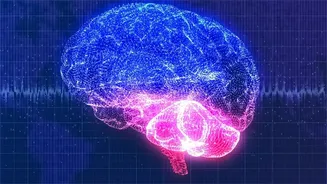
Think of the gut-brain axis as a two-way communication highway connecting your brain and your digestive system. This network uses the vagus nerve, hormones, and the immune system to constantly send signals back and forth. When you're stressed, your brain sends
signals to your gut, which is why you might experience an upset stomach. Conversely, what happens in your gut—which is home to trillions of microorganisms known as the microbiome—can influence your mood, cognitive function, and behaviour. This intricate system explains that gut feeling you get; it’s your 'second brain' talking.
The Role of Probiotics
Probiotics are beneficial live bacteria and yeasts that are good for your digestive system. They help maintain a healthy balance in your gut microbiome by keeping harmful bacteria in check. A balanced gut is crucial for more than just digestion; it’s linked to a stronger immune system and better mental clarity. Research suggests certain probiotics, sometimes called 'psychobiotics', may help reduce symptoms of stress and anxiety and support a more positive mood. These helpful microbes can influence the production of neurotransmitters like serotonin—the 'happy chemical'—a large portion of which is actually produced in your gut.
Dahi (Curd) and Chaas (Buttermilk)
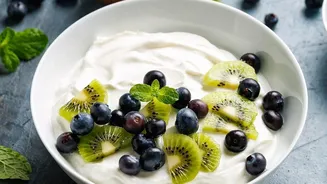
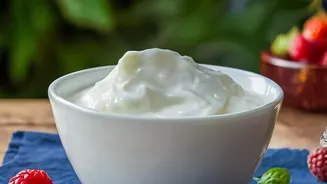
A staple in most Indian households, fresh, homemade curd (dahi) is one of the most accessible probiotic foods. It's packed with beneficial bacteria that support digestion. For an even lighter and more hydrating option, especially during warmer months, turn that curd into chaas (buttermilk). Chaas is not only cooling but also excellent for soothing the digestive system after a meal. To get the most benefit, opt for homemade or traditionally prepared versions with live cultures and enjoy them during the day.
Fermented South Indian Favourites
That fluffy idli or crispy dosa you love for breakfast is also a source of probiotics. The batter for these dishes is made from a mix of rice and lentils that is fermented overnight. This fermentation process not only makes them easier to digest but also populates them with gut-friendly lactic acid bacteria. While the heat from steaming or cooking can reduce the number of live cultures, the fermentation process still enhances the nutritional value of the food. Starting your day with these foods can be a great way to support your gut health.
Kefir and Kimchi
While not traditionally Indian, kefir and kimchi have become popular for their potent probiotic content. Kefir is a fermented milk drink, similar to a thin yogurt, but it often contains a more diverse range of beneficial bacteria and yeasts. Kimchi, a Korean staple made from fermented vegetables like cabbage and radish, is another fantastic source of probiotics, fibre, and vitamins. You can add a small serving of kimchi as a side dish to your meals or blend kefir into a smoothie to easily incorporate these powerful foods into your diet.
Traditional Fermented Drinks and Pickles
Many traditional Indian beverages and condiments are also rich in probiotics. Kanji, a fermented drink typically made from black carrots or beets, is a tangy and healthy option. Similarly, traditional homemade pickles (achaar) that are fermented in brine (salt and water) rather than vinegar are teeming with beneficial microbes. Another example is Pakhala from Odisha, which is cooked rice soaked in water and fermented overnight. These traditional preparations are a testament to the age-old wisdom of using fermentation to preserve food and boost health.