





A City Under Water
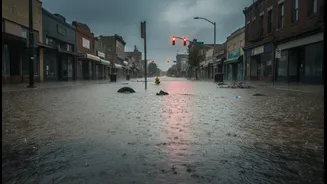
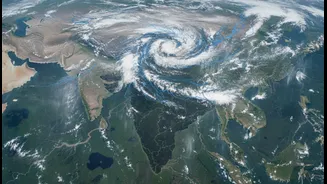
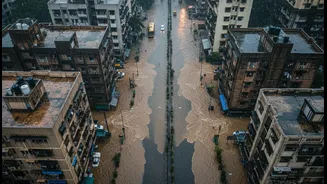
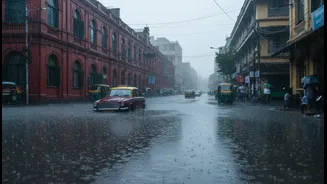
On Friday, July 10, a combination of a monsoon trough and cyclonic circulation resulted in a torrential downpour across South Bengal, with Kolkata bearing a significant brunt. Some parts of the city recorded nearly 100mm of rain, turning major thoroughfares
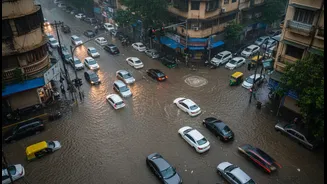
and residential colonies into impromptu canals. Low-lying areas in South and Central Kolkata, including Behala, Jadavpur, and Park Street, were severely affected, with water entering ground-floor homes and shops. The downpour caused traffic to slow to a crawl, stranding commuters for hours and showcasing the city’s vulnerability to a concentrated burst of rain.
The Human Cost of the Deluge
The chaos was not just statistical; it was deeply personal. School and office-goers had a harrowing time, navigating flooded streets and overcrowded public transport. App-based cab fares surged, while those on foot were forced to wade through murky, knee-deep water, a known health hazard during monsoon. Airlines issued advisories for potential delays as the weather worsened, adding another layer of uncertainty for travellers. For many, the day was a write-off, a frustrating reminder of how quickly a downpour can paralyse daily life, affecting livelihoods and mental well-being.
An Old Problem, A New Urgency
While Kolkatans are no strangers to monsoon waterlogging, these events are becoming more frequent and intense. Experts point to a combination of factors: ageing infrastructure, some of it over a century old, is struggling to cope with the sheer volume of water. The city's original drainage system, a network of brick sewers from the colonial era, was not designed for the current population density or the intensity of modern rainfall patterns influenced by climate change. Unplanned construction and clogged drainage channels further exacerbate the problem, preventing water from receding quickly. This isn't just a Kolkata problem; it's a story playing out across urban India.
The Civic Response
In response to the deluge, the Kolkata Municipal Corporation (KMC) activated its monsoon protocol. The India Meteorological Department (IMD) had issued warnings, and the KMC deployed pumping stations and special vehicles to clear water from the most affected areas. Officials have long acknowledged the challenge, citing the need for significant infrastructure upgrades. Plans to refurbish old sewer lines and increase the capacity of drainage pumping stations have been in the works, but they are massive, long-term projects. For citizens caught in the immediate crisis, the key question remains whether the response is adequate for the growing threat.
The Angle Worth Saving
So why is this story worth saving? Because it serves as an annual report card on our urban resilience. The disruption in Kolkata is a microcosm of a larger challenge facing Indian cities. It forces us to look beyond temporary fixes and ask bigger questions about urban planning, climate adaptation, and civic accountability. For the individual, it highlights the need for preparedness: keeping emergency supplies, staying updated on weather alerts, and knowing which areas are vulnerable. For the community, it's a call to action—to demand better infrastructure, advocate for sustainable urban development, and hold authorities accountable for creating cities that can withstand the inevitable challenges of a changing climate.