


Rediscovering a Traditional Superfood
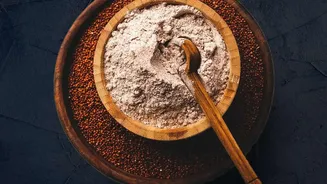
Ragi, also known as finger millet or nachni, is an ancient grain that has been a staple in southern India for centuries. Having originated in Africa, this hardy crop has been cultivated in India for thousands of years, thriving in conditions where other
grains might fail. Traditionally used to make everything from ragi balls (mudde) to porridge, this nutritional powerhouse is now finding its way back into modern Indian kitchens. Its resurgence is driven by a growing awareness of its incredible health profile and its versatility in everyday cooking. As people seek healthier alternatives to refined grains, ragi is being celebrated for what it has always been: a deeply nutritious and sustainable food source.
A Nutritional Powerhouse
The health benefits of incorporating ragi into your diet are impressive. Firstly, it is naturally gluten-free, making it an excellent and safe choice for individuals with celiac disease or gluten sensitivity. Ragi is renowned for its high calcium content, containing significantly more than most other common grains, which is crucial for maintaining strong bones and teeth. It's also a rich source of iron, helping to prevent anaemia, and is packed with dietary fibre. This high fibre content aids digestion, promotes a feeling of fullness to help with weight management, and plays a role in regulating blood sugar levels due to its low glycaemic index. The unique proteins and amino acids in ragi further contribute to its status as a superfood.
Crafting the Perfect Savoury Crepe
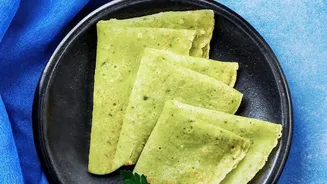
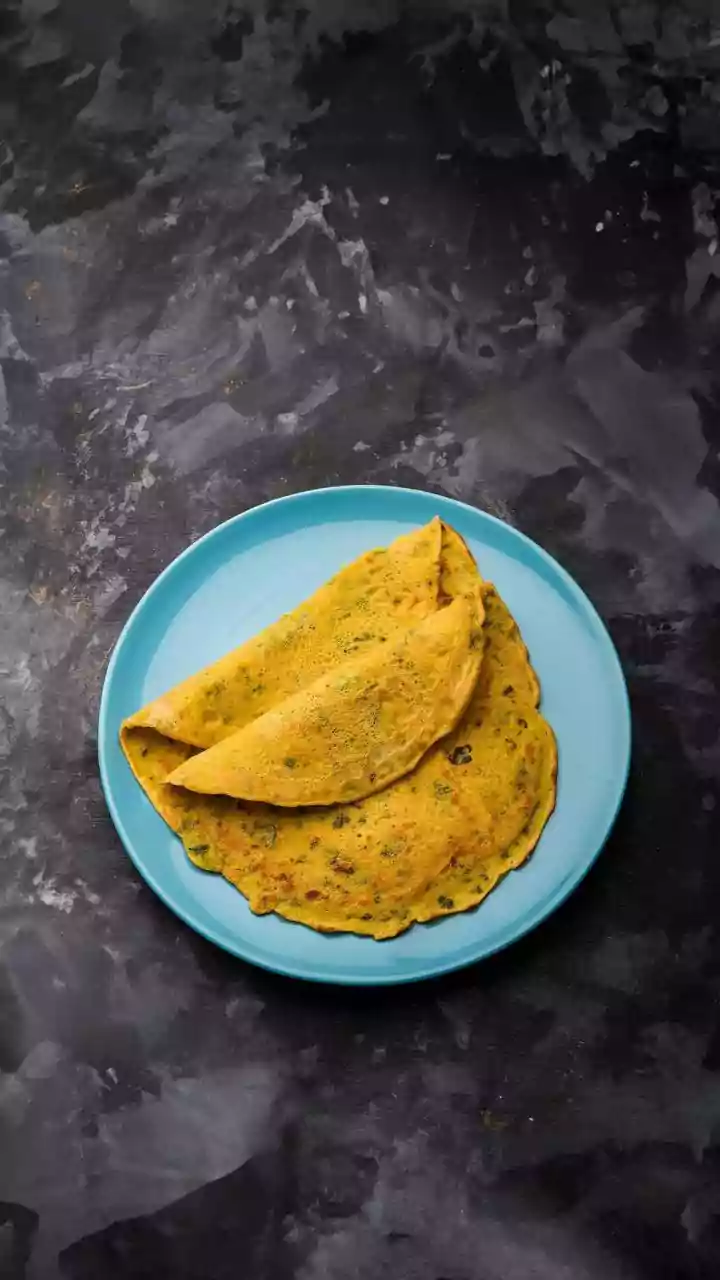
Making savoury ragi crepes, or ragi dosa, at home is surprisingly simple. There are two main approaches: a quick, instant version and a traditional fermented one. For an instant crepe, you can combine ragi flour with rice flour, a bit of semolina (rava), and curd or water to form a thin batter. For a more traditional, fermented dosa, you soak whole ragi grains and a smaller portion of urad dal (skinless black lentils) for a few hours. After soaking, you grind them into a smooth paste, add salt, and allow the batter to ferment for 6-8 hours, or overnight. This fermentation process not only develops a tangy flavour but also enhances the nutritional value and makes the crepes easier to digest. Both methods yield delicious results, so you can choose based on how much time you have.
Tips for Flavour and Texture
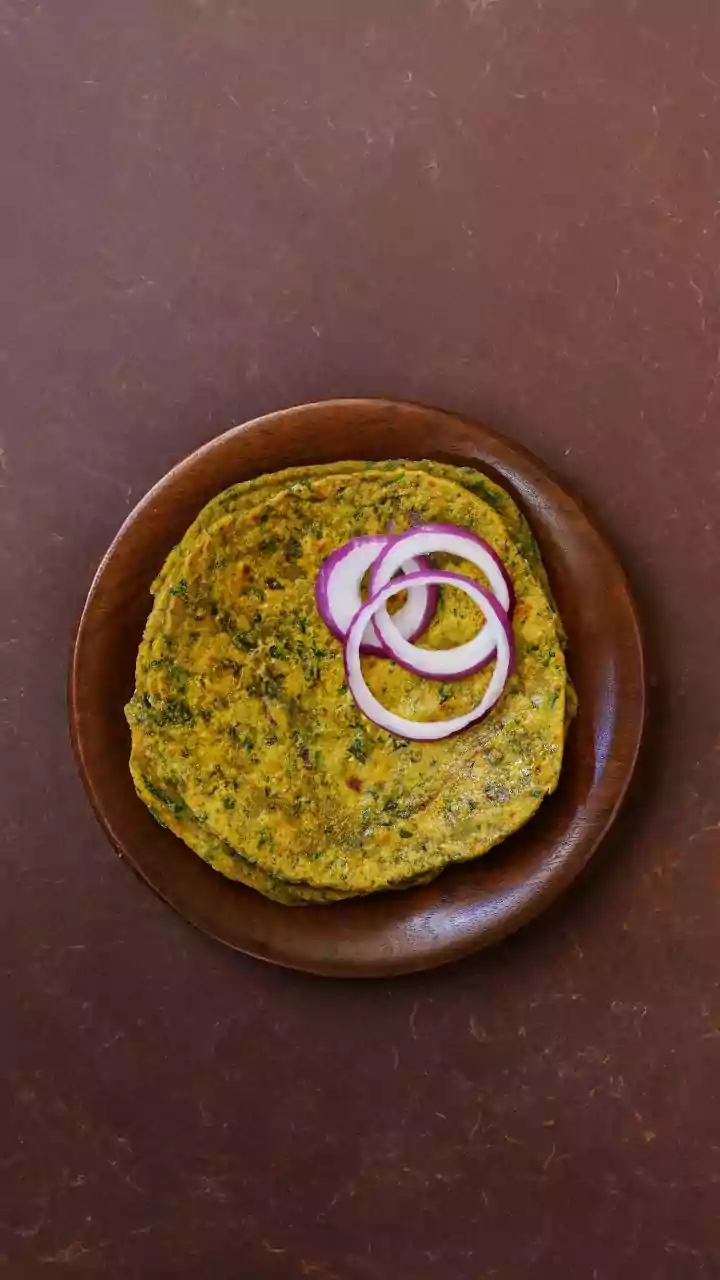
To elevate your savoury ragi crepes, consider adding finely chopped onions, green chillies, ginger, and fresh coriander leaves directly into the batter before cooking. Cumin seeds and curry leaves also add a wonderful aromatic touch. The consistency of the batter is key to the final texture. A thinner, runnier batter will result in crispier, lace-like crepes, similar to a rava dosa. For a softer, more pliable crepe, keep the batter slightly thicker. When cooking, ensure your tawa or non-stick pan is sufficiently hot before pouring the batter. Drizzle a little oil or ghee around the edges to help it crisp up beautifully. Unlike some other dosas, a thin ragi crepe often only needs to be cooked on one side until the top is set and the bottom is crisp and browned.
Versatile Serving Suggestions
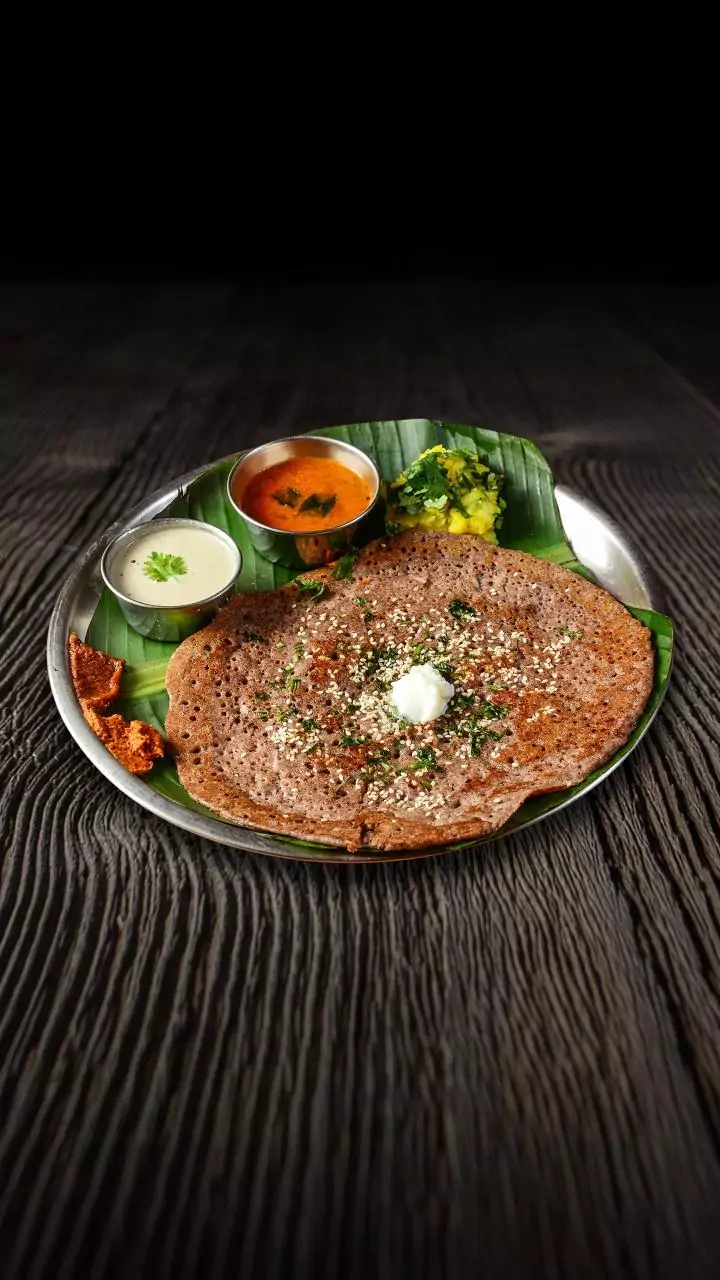
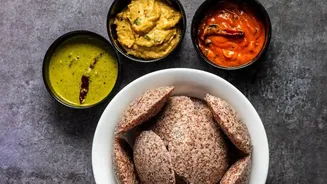
The mild, slightly nutty flavour of ragi crepes makes them an excellent canvas for a variety of accompaniments. They pair perfectly with classic South Indian sides like coconut chutney, tomato chutney, or a flavourful sambar. You can also serve them with a simple yoghurt dip or a spicy pickle. For a more substantial meal, use the crepes as a wrap and fill them with spiced potatoes, crumbled paneer, or mixed sautéed vegetables. Their versatility extends from a quick breakfast to a light lunch or dinner, making them a fantastic and nutritious staple to include in your weekly meal plan.