


Why Millets are a Must-Have
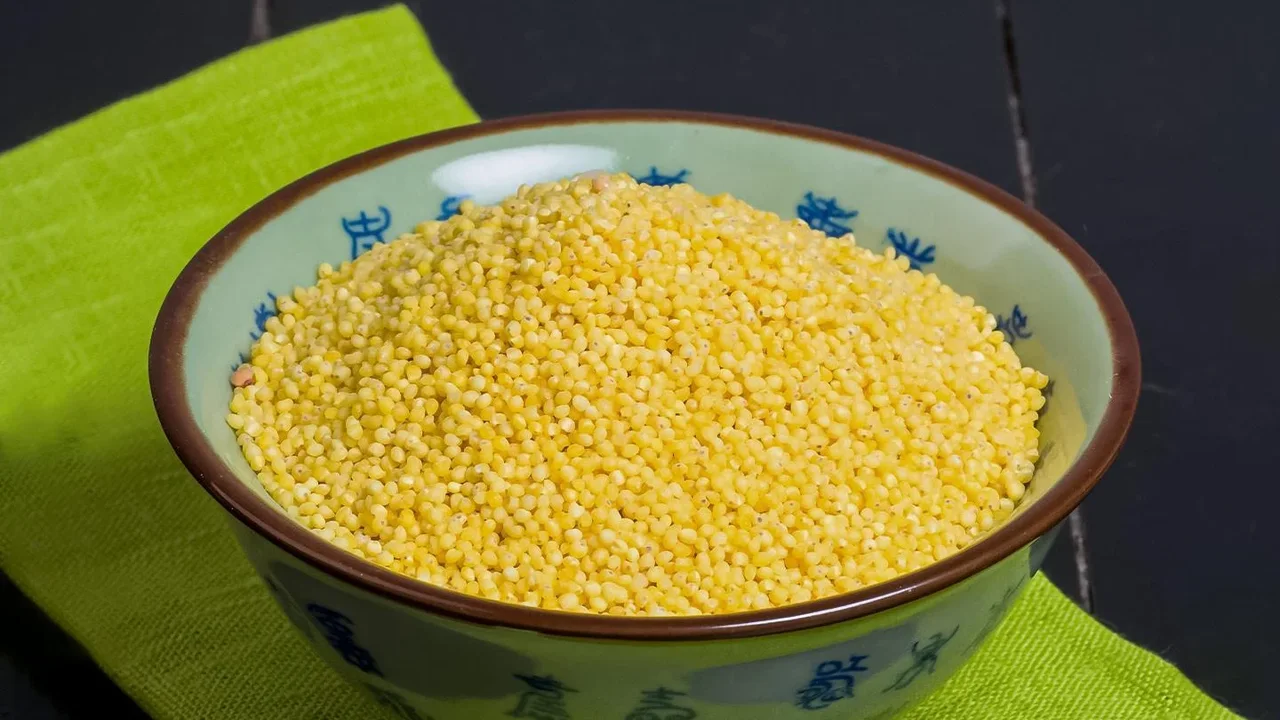
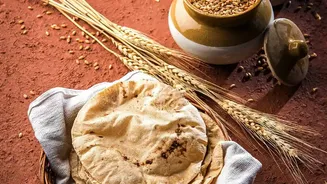
For centuries, millets like Jowar, Bajra, and Ragi were staples in Indian households before wheat and rice became predominant. Now, these powerhouse grains are making a comeback. Naturally gluten-free, they are an excellent source of dietary fiber, protein,
vitamins, and minerals. Their high fiber content aids digestion, helps in managing blood sugar levels, and keeps you feeling full for longer, making them a fantastic choice for weight management. Including a variety of millet rotis in your family's diet is a simple and effective way to boost overall health and nutrition.
Jowar Roti: The All-Season Staple
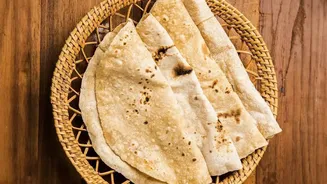
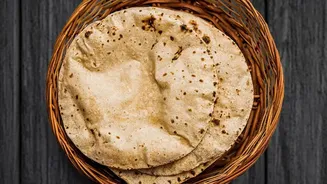
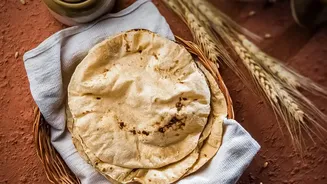
Jowar (Sorghum) is a versatile millet that can be enjoyed throughout the year. Popular in Maharashtra and Karnataka, Jowar Bhakri or Roti is light, soft, and easy to digest. It is particularly good for gut health and is a great option for those with diabetes due to its low glycemic index. To make soft Jowar rotis, the key is to use hot water to knead the dough. This technique helps in creating a pliable dough that doesn't crack while rolling.
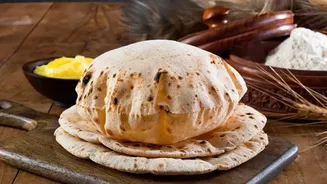
Simple Jowar Roti Recipe: Boil 1 cup of water with a pinch of salt. Turn off the heat and immediately add 1 cup of Jowar flour, mixing it with a spoon. Cover and let it rest for 5-10 minutes. Once it's cool enough to handle, knead the dough for a few minutes until smooth. Make small balls, dust with Jowar flour, and gently roll them out. Cook on a hot tawa on both sides until light brown spots appear. You can make it puff by pressing it with a soft cloth or by placing it on a direct flame for a few seconds. Serve hot with a dollop of ghee.
Bajra Roti: The Winter Warmer
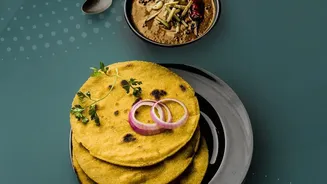
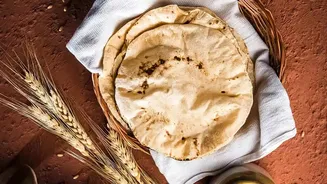
Bajra (Pearl Millet) is traditionally consumed during the winter months, especially in Rajasthan and Gujarat, as it is believed to have warming properties. This millet is a rich source of iron, protein, and magnesium, making it excellent for energy levels and muscle health. Bajra rotis have a distinct nutty flavour and a slightly dense texture that pairs wonderfully with robust curries and vegetable dishes like baingan bharta.
Classic Bajra Roti Recipe: In a bowl, take 1 cup of Bajra flour and a pinch of salt. Gradually add warm water and knead to form a soft, pliable dough. Unlike Jowar, some prefer warm water over boiling hot water for Bajra. Let the dough rest for 15-20 minutes. Divide the dough into equal portions. Dust with flour and pat it into a round shape with your hands or roll gently with a rolling pin. Cook on a medium-hot tawa, flipping once bubbles appear. Cook the other side until brown spots form. Apply ghee and serve immediately.
Ragi Roti: The Calcium Powerhouse
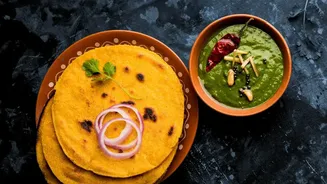
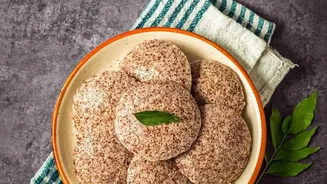
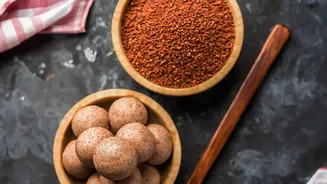
Ragi (Finger Millet) is celebrated for its incredible nutritional profile, most notably its high calcium and iron content, which are vital for bone health and preventing anaemia. A staple in South India, particularly Karnataka, Ragi is used to make everything from rotis and dosas to porridge. Ragi rotis can be made plain or with added vegetables like onions, carrots, and coriander leaves for extra flavour and nutrition.
Flavourful Ragi Roti/Dosa Recipe: For a quick instant dosa, mix ½ cup Ragi flour, ½ cup rice flour, finely chopped onions, green chillies, and curry leaves. Add water to make a thin, runny batter, similar to milk. Let it rest for 30 minutes. Heat a tawa, pour the batter from the outside towards the centre to create a lacy dosa, and cook on low flame until crisp. For a softer roti, use the hot water method as with Jowar flour, kneading it into a smooth dough before rolling and cooking.
Tips for Perfect Millet Rotis
Working with gluten-free flours can be tricky at first, but a few tips can make the process much easier. Using hot or warm water is the most crucial step, as it helps bind the flour and makes the dough pliable. Kneading the dough well while it is still warm is also essential for a smooth texture. Don't be afraid to use a generous amount of dry flour for dusting to prevent sticking. If you are a beginner, you can roll the roti between two sheets of parchment paper or inside a ziplock bag to prevent it from breaking. With a little practice, you'll be making soft and delicious millet rotis for your family in no time.