




The Highway Transformation
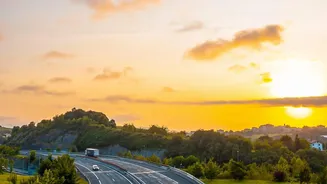
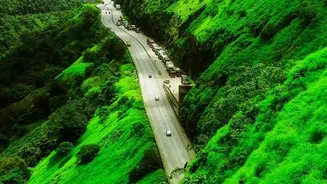
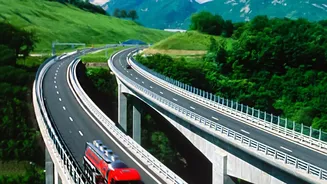
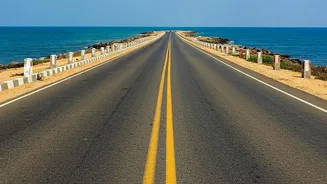
A primary driver of this trend is the dramatic improvement in India's road infrastructure. In recent years, the government has focused heavily on expanding and upgrading the national highway network. The national highway network has expanded by approximately
60% since 2014. This has made long-distance driving significantly faster, safer, and more comfortable. New expressways, like stretches of the Delhi-Mumbai Expressway, and better-maintained corridors have slashed travel times between major cities and tourist hubs. Routes that were once gruelling overnight journeys can now be covered in a day, making weekend getaways and short breaks more feasible. Data from Uber's Intercity Travel Index for mid-2026 shows that while major metro-to-metro routes like Mumbai-Pune remain the busiest, the fastest growth is coming from regional routes connecting Tier-2 cities and leisure destinations.
A Renewed Desire for Freedom and Control
The post-pandemic world has reshaped travel priorities. After years of restrictions, travellers are seeking flexibility and control over their environment. Road trips offer exactly that. Unlike air or train travel, driving allows for spontaneity—the freedom to stop at a scenic viewpoint, explore a hidden village, or change plans on a whim. This autonomy became particularly valuable in the wake of the pandemic, as people preferred the safety of their personal vehicles. This desire for hassle-free and self-directed travel continues to influence choices, with many opting for the convenience of packing a car without baggage limits or fixed schedules.
The Compelling Economics of Driving
As flight prices fluctuate and can be a significant expense for a family or group, driving presents a more economical alternative for many. For trips within a 200 to 600 km radius, the cost of fuel for a single vehicle is often substantially lower than purchasing multiple air tickets. This cost-effectiveness is a major factor, especially with the rising disposable income of the Indian middle class, which is also fuelling a boom in domestic tourism. The car rental market has also seen significant expansion, offering cost-effective packages that make road travel accessible even for those who don't own a car. This economic advantage allows travellers to allocate more of their budget to experiences, accommodation, and food at their destination.
The Rise of Drivable Destinations
The tourism ecosystem has evolved to cater to the modern road-tripper. A growing number of hotels, homestays, and resorts are now strategically located along popular driving routes, offering amenities like free parking and flexible check-ins. The trend has also spurred the popularity of emerging destinations, particularly in Tier-2 and Tier-3 cities, which are now more accessible. Routes like Chennai to Puducherry, Delhi to Dehradun, and Bengaluru to Mysuru are seeing rapid growth in road travel. This is complemented by the rise of 'workations' and long-weekend trips, with travellers using the enhanced road network to blend work and leisure in scenic locations just a drive away.