



The Daily Crush on the Lifeline
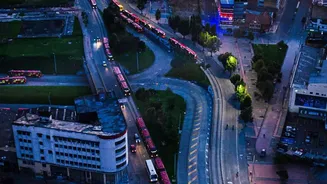
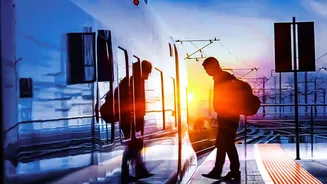
Mumbai's suburban railway is famously called its lifeline, but for daily commuters, it often feels like it's at its breaking point. Overcrowded compartments, agonizingly long waits during peak hours, and delays caused by track congestion are all part of the
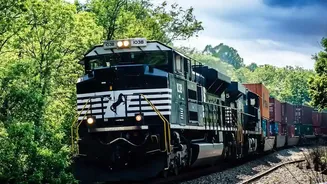
experience. A key reason for this congestion is that the tracks you travel on are not just for local trains. They are shared with long-distance passenger express trains and, crucially, slow-moving goods trains that clog the system. This mixed traffic forces local services to compete for precious slots, limiting the number of trains that can be run and making punctual services a constant challenge for railway authorities.
What Is the 'Freight Shift'?
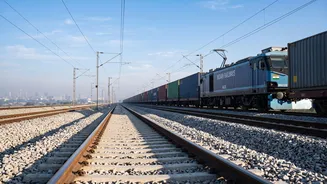
The 'freight shift' is the simple but massive undertaking of moving goods trains off the crowded suburban passenger lines and onto their own exclusive tracks. For years, this has been the holy grail for urban rail planners in India. By creating separate corridors dedicated solely to freight, the existing network is freed up. This separation is the core idea behind the Dedicated Freight Corridor (DFC) project, a national mission to decongest India’s busiest railway arteries. For Mumbai, the key component is the Western Dedicated Freight Corridor (WDFC), a 1,506-km-long heavy-duty track built for one purpose: moving goods.
Enter the Western Dedicated Freight Corridor
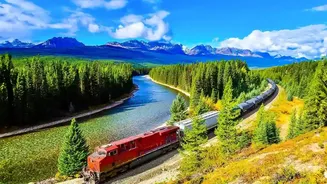
The Western Dedicated Freight Corridor, or WDFC, is the game-changer. Stretching from Dadri in Uttar Pradesh to Jawaharlal Nehru Port (JNPT) in Navi Mumbai, this high-capacity, electrified double-line track is an industrial expressway for trains. After nearly two decades of planning and construction, the final sections of the WDFC were completed and inaugurated around September 2026, making the entire corridor operational. This means goods trains carrying everything from containers to cars can now bypass Mumbai's passenger network entirely, travelling faster and more efficiently on their own dedicated path. This diversion is what unlocks the potential for a revolution in suburban travel.
The Commuter's Payoff: More Trains, Less Pain
So, what does a separate track for goods trains actually mean for you at the platform? The answer is simple: more capacity. With dozens of freight trains removed from the passenger lines each day, railway authorities gain a significant number of vacant slots. This newfound capacity allows them to introduce hundreds of new suburban services. Railway officials have stated that this will enable them to increase service frequency, potentially reducing the time between trains during peak hours. The ultimate goals are reduced overcrowding, improved punctuality as local trains no longer have to wait for freight trains to pass, and a more reliable and comfortable commute.
A Fleet of New AC Locals
The increase in track capacity is being planned in conjunction with a major upgrade in rolling stock. The government has fast-tracked the production of 238 new air-conditioned local trains for Mumbai. Instead of waiting until 2034 under the old plan, the first new rakes are expected to arrive as early as 2027, with the entire fleet targeted for delivery by 2030. This two-pronged approach of expanding track capacity via the DFC and simultaneously inducting modern, comfortable AC trains aims to comprehensively upgrade the commuter experience, making the journey not just faster but also more comfortable.
When Will You Feel the Difference?
With the Western DFC now fully operational as of late 2026, the process of shifting freight traffic has already begun. While the full impact won't be felt overnight, commuters can expect a phased introduction of new services. As more goods trains are migrated to the DFC, more slots will open up on the suburban lines. Railway authorities have indicated that the freed-up capacity will be used to systematically increase services. Coupled with the arrival of new AC locals from 2027 onwards, Mumbaikars should start to see a tangible improvement in their daily commute over the next few years, marking the beginning of a new, less crowded era for the city's lifeline.