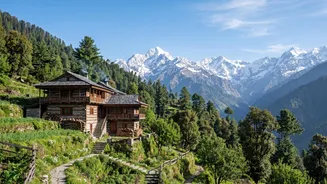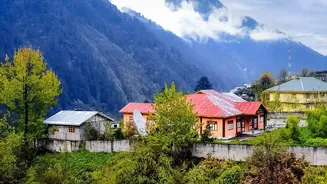




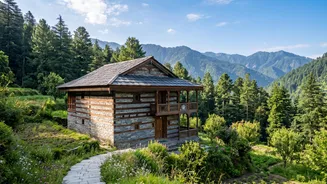
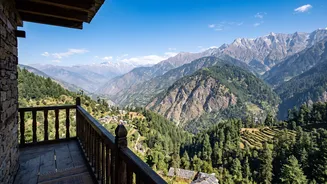
Why Autumn is the Golden Season
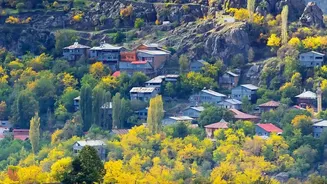
The months from September to November are widely considered the best time to visit both Kasol and Jibhi. After the monsoons, the skies clear up, offering crisp, unobstructed views of the snow-capped peaks. The air is fresh, the weather is pleasant for
daytime treks, and the landscape is a vibrant mix of green, gold, and crimson foliage. This season strikes the perfect balance between comfortable temperatures and fewer crowds compared to the summer peak, making it ideal for focused work and peaceful exploration.
Kasol vs. Jibhi: Choose Your Workation Vibe
Before you book, it's crucial to understand the distinct personality of each location. Kasol, nestled in the Parvati Valley, is a bustling backpacker hub known for its energetic cafe culture, social atmosphere, and abundance of food options. It's ideal for solo travellers or groups who want to socialise after work. Jibhi, in the serene Tirthan-Banjar Valley, is the quieter alternative. It offers solitude, dense deodar forests, and a more authentic, unhurried local experience. If your priority is deep focus, silence, and nature walks, Jibhi is the better fit.
Finding a Homestay Without Breaking the Bank
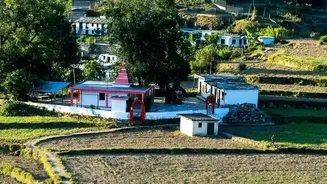
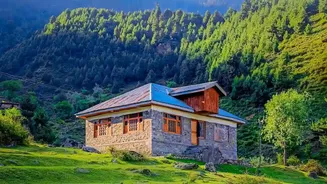
The key to a cheap workation is smart accommodation planning. For long stays of a month or more, monthly rental rates can be significantly lower. Don't be afraid to negotiate directly with homestay owners, especially for extended periods. Venturing into smaller villages just a short walk or taxi ride from the main centres—like Chalal or Katagla near Kasol, or Bahu and Shoja near Jibhi—can reveal quieter and more affordable options. In the off-season, basic rooms in Kasol and surrounding villages can be found for very low prices, though you might need to book on arrival for the best deals. Booking in advance online is safer, but walking around and enquiring locally can sometimes yield hidden gems.
Must-Have Amenities for a Smooth Workation
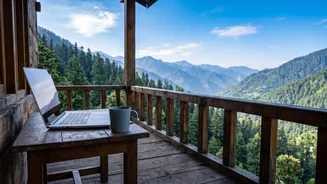
A beautiful view is inspiring, but a stable internet connection pays the bills. When booking a homestay for work, certain non-negotiables are essential. Confirm that the property has reliable Wi-Fi; many hosts now offer high-speed fibre connections. However, network service can be patchy, with BSNL and Jio often being the most reliable providers in remote areas. Power cuts can occur, so ask if the homestay has a power backup or inverter. Other things to look for include a comfortable desk and chair, access to a kitchen if you prefer to cook your own meals, and hot water, which is a must for chilly autumn evenings. Many homestays now specifically advertise themselves as workation-friendly, listing these amenities upfront.
Budgeting Beyond the Rent
Your accommodation is the biggest expense, but not the only one. Food costs can be managed by choosing homestays that offer home-cooked meals, often at a reasonable price, or by using a shared kitchen. A monthly food budget can range from ₹4,000 to ₹8,000 in a quieter area like Tirthan Valley. Local transport is cheapest via HRTC buses that ply the main valley roads. Taxis are more expensive and prices should always be agreed upon beforehand. Finally, remember that Jibhi village does not have an ATM, so it's wise to withdraw cash in a larger town like Aut or Banjar before you arrive.