







An Anxious August
After a brief recovery in July, India's southwest monsoon has weakened significantly in August. As of late August 2026, cumulative rainfall for the season was approximately 13% below normal. Some forecasts suggest this could become the weakest monsoon season since
2009, potentially ending with a deficit as high as 15%. The India Meteorological Department (IMD) had already predicted below-normal rainfall for the second half of the season, warning that the monsoon could weaken as moderate El Niño conditions persist and strengthen.
What is El Niño?
El Niño, which means 'the little boy' in Spanish, is a climate pattern characterized by the unusual warming of surface waters in the eastern and central Pacific Ocean. This isn't just a local ocean event; it triggers a cascade of weather disruptions globally. Normally, trade winds push warm water towards Asia, but during an El Niño, these winds weaken, causing the warm water to shift eastward, away from the region. This change in ocean temperature alters atmospheric pressure and disrupts rainfall and temperature patterns across the world, from droughts in Australia to floods in South America.
The India Connection
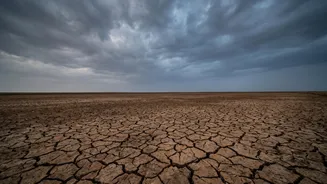
For India, El Niño is often bad news. The warming of the Pacific Ocean tends to create high-pressure systems over the Indian subcontinent. This high pressure suppresses the formation of clouds and weakens the monsoon winds that are essential for drawing moisture from the Indian Ocean. The result is often reduced rainfall, particularly during the latter half of the season. While not every El Niño year leads to a drought in India, there is a strong historical correlation. Scientists have pointed to the strengthening El Niño as a primary cause for the projected rainfall deficit this year.
Impact on the Farm
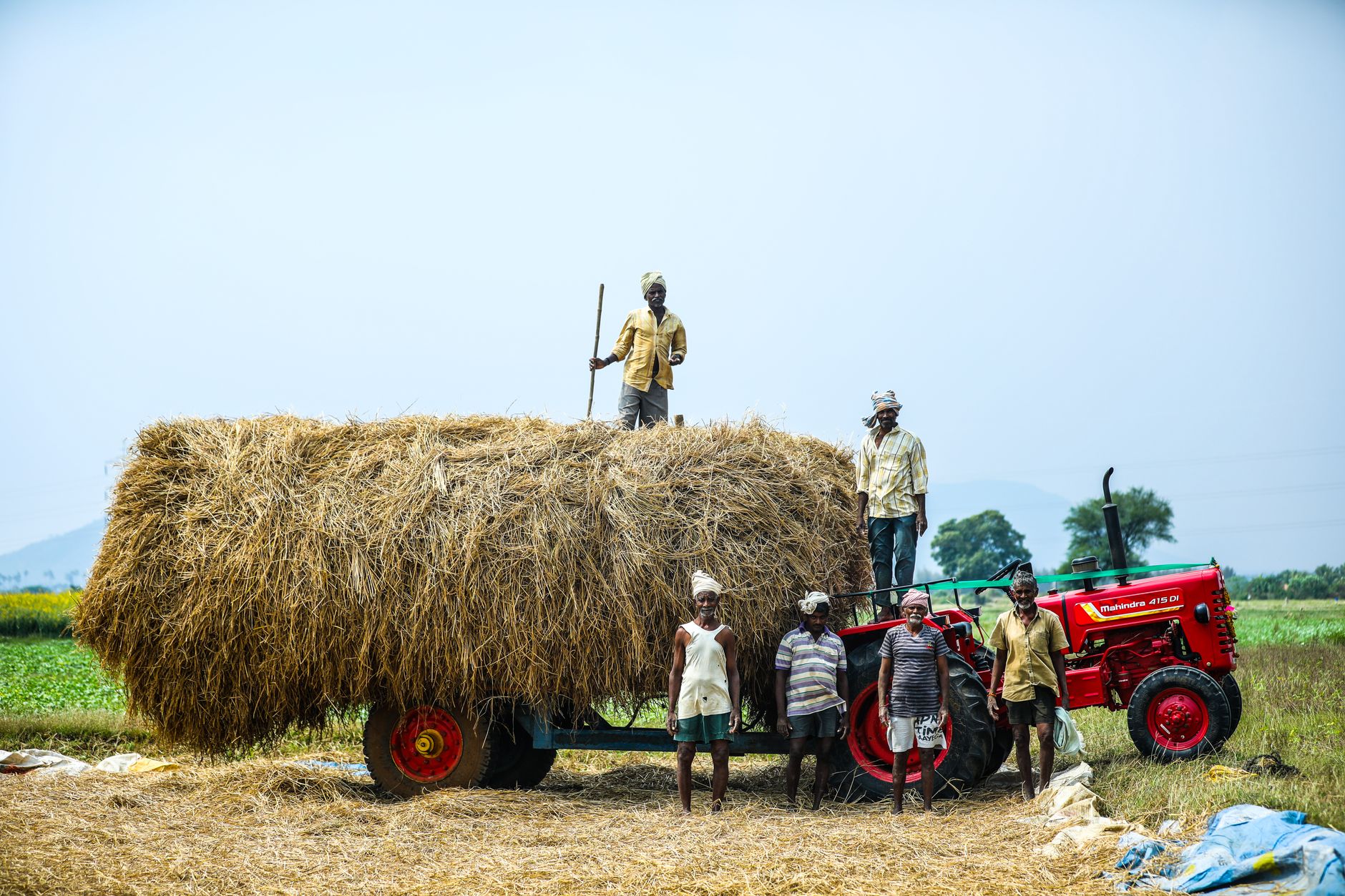
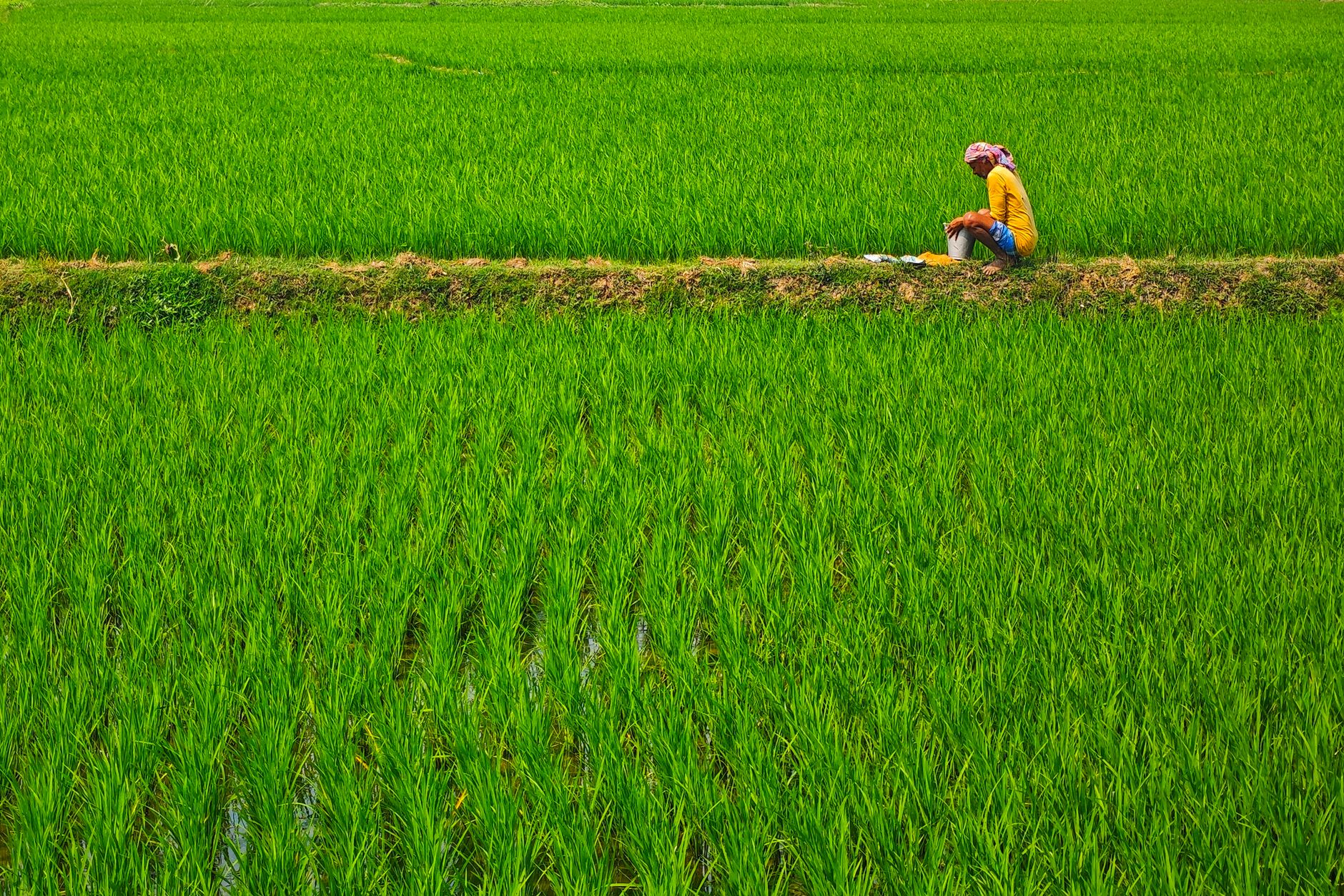
Agriculture, which is heavily dependent on the monsoon, feels the first and most direct impact. About 70% of India's annual rainfall occurs during the monsoon, and a significant portion of farmland is rain-fed. A weak September is particularly concerning as this is a crucial maturing stage for summer-sown (Kharif) crops like cotton, soybeans, corn, and pulses. Insufficient rain can lead to moisture stress, lower crop yields, and threaten farmer incomes. The problem extends beyond the current harvest, as poor monsoon rains also deplete soil moisture needed for the upcoming winter (Rabi) crops like wheat and rapeseed.
The Economic Ripple Effect
The consequences of a poor monsoon ripple through the entire economy. Lower agricultural output can strain food supplies and lead to higher food price inflation, affecting every household's budget. Reduced farm incomes also dampen rural demand for goods like tractors, two-wheelers, and other consumer products. This slowdown in rural consumption can impact corporate earnings and overall economic growth. Furthermore, a weak monsoon affects water reservoir levels, which has a knock-on effect on hydroelectric power generation and drinking water supplies. The government has identified over 300 districts as potentially vulnerable, with contingency plans being prepared for crop diversification and water management.