



The Post-Walk Wipe-Down Ritual
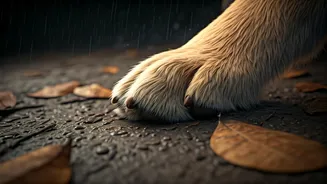
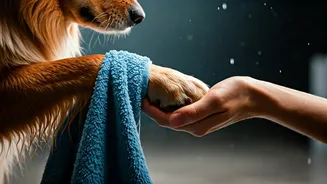
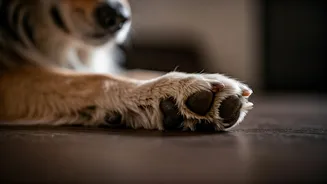
The single most important habit to build is the post-walk cleaning routine. Your dog’s paws are on the front line, coming into direct contact with muddy streets, dirty water, and bacteria. [7, 14] The rule is simple: after every single walk, no matter
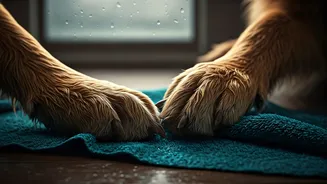
how short, their paws and underbelly must be cleaned. [5] A gentle wash with lukewarm water or using pet-safe wet wipes is effective. [14] Pay special attention to the gaps between their toes, where mud and moisture love to hide. [14, 20] This simple act is your first line of defence against common fungal and bacterial infections that start in the paws. [7]
The Art of Keeping Fur Dry
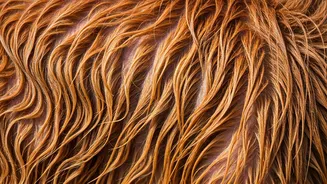
Moisture is the main culprit behind most monsoon-related skin issues. [12] Damp fur, especially in breeds with thick or long coats, becomes a breeding ground for bacteria and fungi, leading to painful conditions like pyoderma (bacterial skin infection) and hot spots. [10, 12, 13] Letting a dog air-dry is a mistake. [6] After any exposure to rain, towel-dry your dog thoroughly, focusing on the armpits, groin, ears, and belly. [6] For double-coated dogs, using a blow dryer on a low-heat setting is highly recommended to ensure the undercoat is completely dry. [6] This prevents the warm, damp environment where infections thrive. [11]
Parasite Patrol: Ticks and Fleas
Monsoon is peak season for ticks and fleas, which flourish in the high humidity. [9, 19] These parasites are not just an itchy nuisance; they can transmit serious illnesses like tick fever. [9] Prevention is far better than cure. [23] Consult your veterinarian about the best preventative treatments for your dog, such as monthly chewables or spot-on applications. [15, 25] A daily coat inspection, especially after walks, is crucial. Check common hiding spots like inside the ears, under the tail, in the armpits, and between the paws. [9] Regular grooming and keeping your home clean, including frequently washing your dog's bedding in hot water, will also help manage the parasite population. [21, 25]
Diet, Hydration, and Gut Health
A strong immune system starts from within. During the monsoon, your dog's digestive system can become more sensitive. [24] It's crucial to provide them with clean, fresh drinking water at all times—never allow them to drink from puddles or stagnant sources, which can carry dangerous diseases like leptospirosis. [2, 5] Providing filtered or boiled water is a safer bet. [20] Stick to a high-quality, easily digestible diet to support their immunity. [24] Some vets may recommend adding a probiotic to help maintain gut health during this period, but it's always best to consult your vet before making dietary changes. [6]
Home Hygiene is Half the Battle
Maintaining a clean home environment is just as important as grooming your dog. Wet paws and fur bring bacteria and fungi indoors. [19] Wash your dog’s bedding, blankets, and soft toys at least once or twice a week in hot water to kill any lingering germs. [3, 11] Ensure their bedding is completely dry before they use it again. [10] Keep your home well-ventilated to reduce overall indoor dampness. [2] Establishing a 'mudroom' area near the door with towels and cleaning supplies ready can help contain the mess and reinforces your post-walk cleaning routine. [16]