




Why Are Car Prices Going Up Again?
The simple answer is that making cars has become more expensive. Major manufacturers like Tata Motors and Hyundai have pointed to a combination of factors driving the September price revisions. The primary reason is rising input costs, meaning the raw
materials used to build vehicles—such as steel, aluminium, rubber, and plastics—are pricier. On top of this, sustained inflationary pressures mean that everything from logistics to operational expenses costs more. Carmakers have been absorbing these increased costs for months, but they are now passing a portion of them on to customers to protect their profit margins. Some announcements also mention that global trade disruptions and currency volatility have added to the financial pressure, making imported components more expensive.
Which Brands and Models Are Affected?
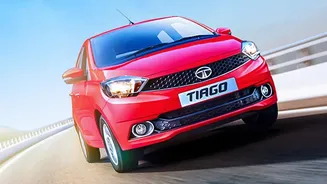
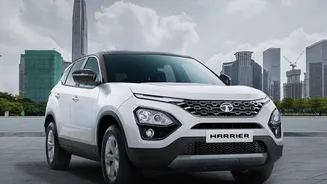
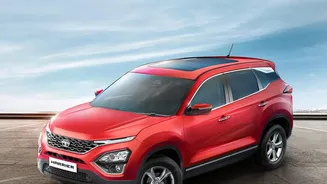
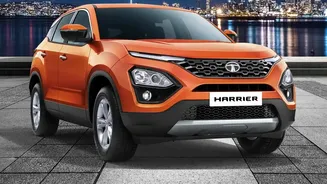
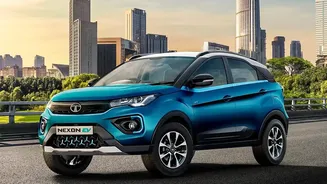
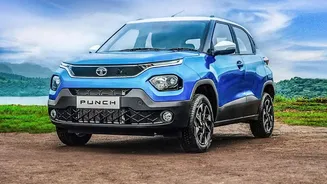
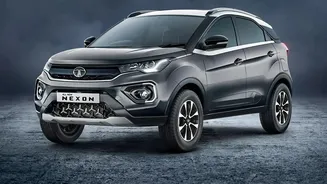
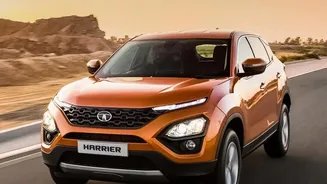
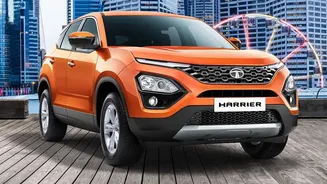
The price hikes are not limited to one company. Tata Motors has announced an increase of up to ₹25,000 across its entire portfolio, affecting both petrol/diesel (ICE) and electric (EV) models. This is Tata's third price revision in 2026, which shows how consistent the cost pressures have been. Similarly, Hyundai has confirmed it will increase prices by up to 1% across its model range, which includes popular cars like the Creta, Venue, and i20. Market leader Maruti Suzuki also raised its prices in August by up to ₹30,000, citing similar reasons. While the exact increase varies by model and variant, the trend is industry-wide. This means whether you are looking for a small hatchback, a mid-size SUV, or an electric vehicle, the price is likely to be higher in September.
Check for Price Protection on Your Booking
This is one of the most critical checks for anyone on the verge of buying. Many dealerships offer 'price protection' to customers who book a vehicle before a price hike is implemented. This means that even if the car is delivered after September 1, you would pay the lower, pre-hike price. However, this is not always a standard policy. You must explicitly ask your dealer if they offer price protection on your booking. Get this confirmation in writing if possible. With many popular models having long waiting periods, securing price protection can save you a significant amount and shield you from the announced increase.
Secure Your Financing and Compare Offers
If you plan to take out a loan, now is the time to get it sorted. Getting your loan pre-approved does two things: it speeds up the purchase process, and it locks in the current interest rate. This protects you if rates were to rise in the near future. Furthermore, the end of the month is often a good time to find deals. Dealerships may have targets to meet and could be willing to offer better discounts or benefits before the new prices kick in. Look beyond the sticker price and ask about cash discounts, exchange bonuses for your old car, corporate offers, and any free accessories. These deals might disappear as the new month begins, potentially negating any festive offers that may come later.
Verify Dealer Inventory and Waiting Periods
A price hike is only one part of the equation; vehicle availability is another. Before rushing to book, contact multiple dealerships to check the real-time stock of the specific model, variant, and colour you want. If a car has a waiting period of several months, you are unlikely to get it at the current price anyway, unless price protection is guaranteed. In such cases, rushing your decision may not be beneficial. Ask for a realistic delivery timeline. This helps you weigh your options: book now and wait, or explore other brands or models that are more readily available. A quick purchase of your second-choice car might be a better financial decision than a long wait for your first choice.