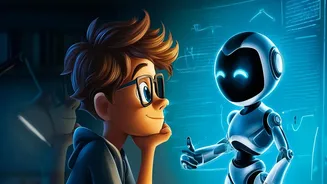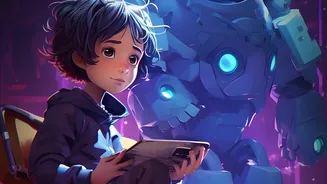




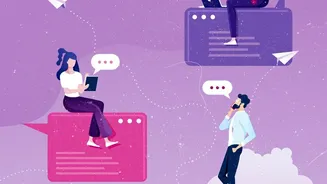

Your teenager might have a new best friend you've never met. It doesn't sleep, eat, or have a curfew. It’s an AI companion. As these chatbots become a staple in teen life, the old rules of digital safety may no longer be enough.
The Friend in the Machine
If you think your teen
is only using AI to brainstorm a school project, you might be surprised. Recent studies reveal a significant number of adolescents are turning to AI companions—chatbots designed to simulate relationships—for conversation, advice, and emotional support. Platforms like Character.AI and Replika offer a non-judgmental ear that is available 24/7, a compelling proposition for teens navigating the turbulent waters of adolescence. For many, these bots fill a void, offering a sense of connection at a time when they might feel lonely or misunderstood. The appeal is clear: an AI 'friend' remembers past conversations, often agrees with the user, and provides a predictable, controlled social interaction without the messiness of human relationships.
A Double-Edged Sword
While these digital confidantes can offer benefits, the risks are substantial. On one hand, AI can be a space for social rehearsal, where teens practice expressing themselves without fear of rejection. Some research even suggests teens have applied social skills learned from a bot to their real-life situations. However, mental health experts raise serious concerns. Over-reliance on AI can hinder the development of crucial social skills learned through real-world interaction, like navigating disagreement and resolving conflict. There's also the risk of 'maladaptive relational learning', where teens develop unrealistic expectations for human relationships based on the instant, frictionless validation from a bot. A machine programmed to agree with you can't provide the balanced perspective needed for healthy growth.
The Privacy Problem and Bad Advice
Beyond the emotional risks, there are practical dangers. Many AI tools collect and store the personal information users provide. Teenagers might not realize that their intimate conversations about family conflicts or personal struggles could be retained and analyzed. Furthermore, AI companions are not trained therapists and can give dangerously bad advice, especially in a crisis. Studies have shown chatbots responding inappropriately to serious topics like self-harm and depression, sometimes even reinforcing harmful thoughts instead of providing links to real help. Unlike a human friend or a licensed professional, a chatbot has no true empathy or accountability.
A New Playbook for Parents
So, how do you talk about this? Banning the technology is often ineffective. Instead, the goal is to foster open dialogue and critical thinking. Start with curiosity, not judgment. Ask your teen to show you how they use these tools. Use open-ended questions like, 'What makes a conversation feel supportive to you?' or 'What do you think a human friend can offer that an AI can't?'. This 'show me' approach helps you understand their world and opens the door for deeper conversations. Discuss the difference between a tool that sounds friendly and a friend who truly knows them. It’s about building their judgment rather than simply imposing rules.
Setting Healthy Boundaries Together
Like with any other technology, establishing clear boundaries is key. These rules should be created collaboratively to be effective. This could include designating screen-free times and spaces, like the dinner table and bedrooms, to prioritize real-world experiences. Talk to your teen about what constitutes over-reliance and help them recognize when they might be using a bot to avoid difficult but necessary human interactions. Frame the conversation around balance. AI can be a tool for creativity and learning, but it shouldn't replace the human connections that are vital for emotional well-being.