






More Than Just Breakfast
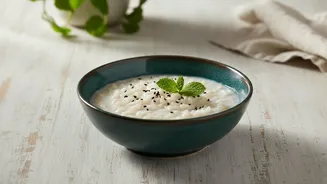
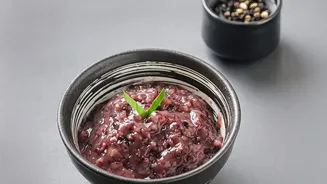
When you hear “rice porridge,” you might picture a simple, bland meal. But the fermented version gaining buzz in wellness circles is a different beast entirely. The most prominent example is Amazake, a traditional Japanese drink or sweet porridge made
by fermenting cooked rice with koji, a special mold called Aspergillus oryzae. For centuries, koji has been the magical ingredient behind staples like miso, soy sauce, and sake. In this process, the koji’s enzymes break down the complex carbohydrates in the rice into simpler, naturally sweet sugars. The result is a creamy, sweet, and tangy porridge that’s easy to digest and packed with nutrients. While Japan’s Amazake is leading the charge in fitness conversations, similar traditions exist worldwide, like India's Kanji, which involves fermenting leftover rice in water, creating a probiotic-rich meal known for its gut-healing properties.
The Gut Health Connection
The return of fermented rice porridge isn't happening in a vacuum. It’s riding the massive wave of interest in gut health that has reshaped how we think about wellness. The modern diet is often criticized for its lack of microbial diversity, and fermented foods are seen as a natural solution. Fermented rice is loaded with probiotics, the beneficial bacteria that help balance your gut microbiome. But it doesn't stop there. The fermentation process also creates prebiotics (food for the good bacteria) and even postbiotics, the beneficial compounds left behind by the microbes. This trifecta helps support digestion, improve nutrient absorption from all the foods you eat, and fortify the gut lining. A healthy gut is linked to a stronger immune system, reduced inflammation, and even better mood, making this ancient porridge a holistic wellness tool.
A Cleaner Fuel for Fitness
So, why are athletes and fitness enthusiasts specifically reaching for it? The benefits go far beyond general health. For starters, it’s a source of clean, quick energy. The glucose created during fermentation is easily digestible, providing a rapid fuel source for workouts without the crash associated with refined sugars or heavy carbs. It’s essentially a natural energy gel. Furthermore, the fermentation process makes the nutrients in the rice more bioavailable. Koji-fermented rice is a source of essential amino acids, which are the building blocks of protein and crucial for muscle repair and recovery after a tough workout. Think of it as a food that not only provides energy for performance but also helps your body bounce back faster afterward. This dual benefit of clean energy and enhanced recovery is what makes it a smart addition to any fitness-focused diet.
How to Add It to Your Diet
Incorporating fermented rice into your routine is becoming easier. Pre-made Amazake can be found in Japanese markets, specialty health food stores, and online. It can be consumed on its own as a warm porridge, blended into smoothies for a natural sweet and creamy boost, or used as a base for desserts. Some people even use a version called shio koji as a marinade to tenderize meats and add a rich umami flavor. For the more adventurous, making it at home is also an option, though it requires sourcing koji starter. Whether you buy it or make it, the key is to look for unpasteurized versions when possible, as heat can destroy some of the beneficial live enzymes and probiotics that are central to its appeal. As with any new food, it’s best to start slow to see how your body responds.