




Corn: The Monsoon Favourite
Nothing says monsoon in India quite like a roasted ear of corn, or 'bhutta'. But beyond being a comforting snack, corn is a nutritional powerhouse. It's a rich source of dietary fibre, which aids digestion and helps maintain a healthy gut. Corn is also
packed with essential B vitamins, which are vital for energy production, and antioxidants like lutein and zeaxanthin that promote eye health. Fresh or frozen corn offers the most health benefits. Whether you enjoy it roasted with lime and spices, boiled in a salad, or as part of a hearty soup, corn is a versatile and healthy addition to your August diet.
Cucumber: The Hydration Hero
With its high water content (about 96%), cucumber is the perfect food to keep you hydrated during the humid August weather. But it’s more than just water; this humble fruit is low in calories and contains important nutrients like Vitamin K, potassium, and antioxidants. The fibre in cucumbers can help prevent constipation and support digestive health, a common concern during the monsoon. For maximum benefit, eat cucumbers unpeeled, as the skin contains a good amount of fibre and minerals. Add slices to your water, toss them in a salad, or make a cooling raita to enjoy this refreshing seasonal staple.
Bitter Gourd: The Green Powerhouse
Known as 'karela', bitter gourd is famous in Indian households for its distinct taste and extensive health benefits. It is exceptionally rich in Vitamin C, which is crucial for fighting infections and healing wounds. Traditionally used in Ayurvedic medicine, bitter gourd contains compounds that can help regulate blood sugar levels. It is also loaded with antioxidants and has anti-inflammatory properties. While its bitterness can be an acquired taste, cooking it with flavourful spices or in dishes like 'bharwa karela' (stuffed bitter gourd) can make it a delicious and incredibly healthy part of your meals.
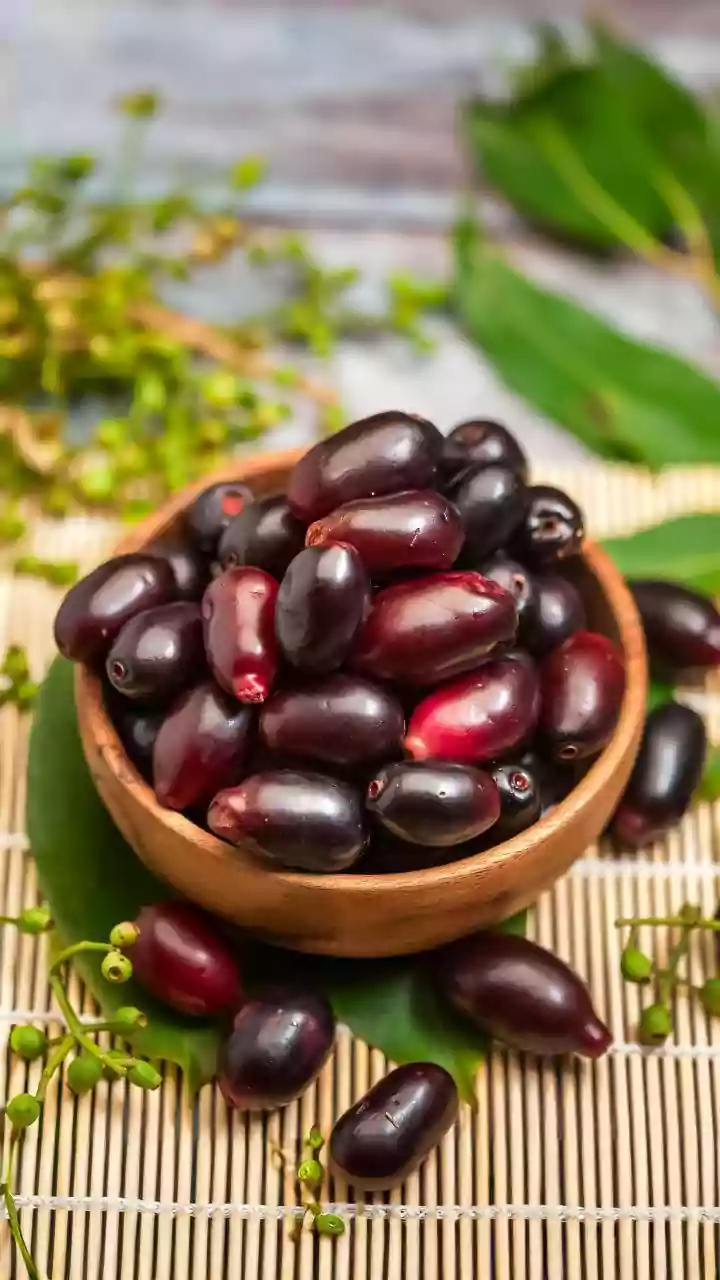
Jamun: The Purple Jewel
The arrival of Jamun, or the Indian blackberry, is a sure sign of the monsoon. This deep purple fruit is not just delicious but also incredibly beneficial for health. Jamuns are packed with antioxidants and Vitamin C, which help in boosting the immune system. They are also a good source of potassium, which is important for heart health and regulating blood pressure. Traditionally, jamun is known to aid in managing blood sugar levels, making it a valuable fruit in diabetic diets. Enjoy them fresh as a snack, or blend them into a smoothie for a nutritious treat during their short but sweet season.
Pumpkin: The Versatile Wonder
Often associated with savoury and sweet dishes alike, pumpkin, or 'kaddu', is a versatile vegetable that shines in August. Its bright orange flesh is a tell-tale sign of its high beta-carotene content, which the body converts into Vitamin A. Vitamin A is essential for good vision, a strong immune system, and healthy skin. Pumpkin is also a good source of fibre and heart-healthy nutrients like potassium and vitamin C. From a simple 'kaddu ki sabzi' to soups and even desserts, pumpkin is low in calories and can be easily incorporated into your diet for a nutritional boost.