





What Exactly Is Fermented Rice Water?
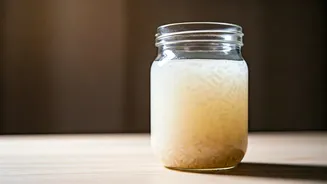
At its core, rice water is the starchy liquid left over after soaking or cooking rice. For centuries, particularly in countries like China, Japan, and across Southeast Asia, women have used this humble byproduct as a beauty treatment. [2, 16] The famed
long, lustrous hair of the Yao women in China's Huangluo village is often credited to their ritual of washing their hair with fermented rice water. [3, 6, 28] The fermentation process is key; allowing the rice water to sit for a day or two lets natural yeasts and bacteria convert the starches into beneficial acids, vitamins, and minerals. This transformation lowers the pH of the water to be more compatible with our hair and skin, and is believed to significantly boost the concentration of nutrients like inositol, amino acids, and antioxidants. [15, 22]
The Expert-Backed Benefits for Hair
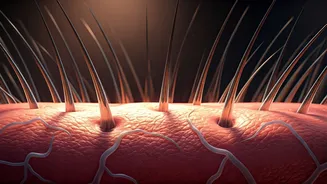
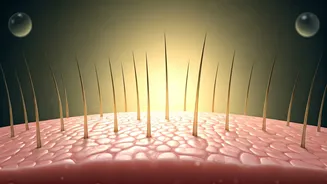
While there isn't definitive clinical proof that rice water accelerates hair growth, experts acknowledge its potential to improve hair health, which can lead to less breakage and, therefore, more length over time. [23] The star ingredient is inositol, a carbohydrate that can penetrate the hair shaft to help repair damage and strengthen strands from within. [18, 21] The amino acids present in rice water are the building blocks of protein, helping to fortify the hair cuticle, reduce surface friction, and increase elasticity. [3, 21] This can result in hair that looks smoother and shinier, and feels more resilient. A dermatologist also noted its potential to inhibit the growth of Malassezia, a yeast associated with dandruff. [21] These components work together to coat the hair, making it easier to manage and less prone to frizz and breakage. [23]
A Soothing Elixir for Your Skin
The praise for rice water isn't limited to hair care. Dermatologists note its potential benefits for the skin, thanks to its rich composition of antioxidants, minerals, and vitamins like B and E. [14] The liquid can offer gentle hydration, which helps skin appear plumper and can diminish the look of fine lines. For those with sensitive skin, rice water may be calming for conditions like dryness and eczema. [14] Some evidence suggests it may have anti-aging properties by inhibiting elastase, an enzyme that breaks down elastic fibers in the skin. Furthermore, its components may affect pigment production, potentially helping to brighten the complexion and lighten dark spots over time. [14] Used as a toner, it can have a mild exfoliating effect, leaving skin feeling smooth. [14]
How to Make Your Own Batch
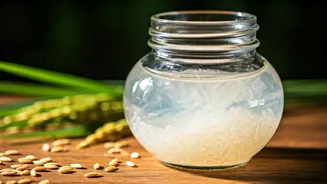
Creating fermented rice water at home is a simple process. Start by thoroughly rinsing half a cup of uncooked rice to remove any impurities. [15] After rinsing, add two to three cups of water to the rice and let it soak for at least 30 minutes, swirling it occasionally. [2] Strain the cloudy water into a clean glass jar. Now, for the fermentation: cover the jar with a breathable cloth and leave it at room temperature for 12 to 24 hours. [9] You'll know it's ready when it has a slightly sour smell. [20] At this point, you can transfer it to the refrigerator to stop the fermentation process. To use it, shampoo and rinse your hair as usual, then pour the fermented rice water over your hair, making sure to massage it into your scalp. Let it sit for up to 20 minutes before rinsing thoroughly with warm water. [2]
A Word of Caution
Despite its benefits, fermented rice water isn't a one-size-fits-all solution. Experts caution that overuse can lead to 'protein overload,' especially in hair with low porosity. [3, 4] This occurs when excess protein and starch build up on the hair shaft, causing it to become stiff, dry, and brittle—the opposite of the desired effect. [1] This buildup can also affect the scalp, potentially causing flakiness or itchiness. [4] For skin, while generally well-tolerated, some individuals may find it irritating. [14] It’s always wise to do a patch test on a small area of your skin or a few strands of hair first. If you experience dryness, breakage, or irritation, it may not be the right treatment for you. [1]