






Master Your Visibility: Wipers and Lights
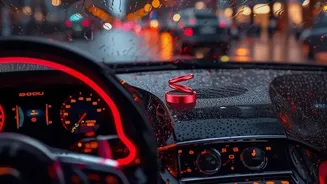
In a downpour, seeing and being seen is your first line of defence. Summer heat can crack and harden wiper blades, causing them to smear water across the windshield instead of clearing it. If your wipers leave streaks or make a chattering sound, replace
them immediately. It’s a low-cost fix that makes a massive difference. While you’re at it, top up your windshield washer fluid. Next, walk around your vehicle and test every single light: headlights, tail lights, brake lights, and indicators. In heavy rain and fog, your lights are the only way other drivers know you're there. A car with non-functioning tail lights is a major hazard on a gloomy, rain-slicked highway.
Grip and Stop: Tyres and Brakes
Your tyres are the only part of your car in contact with the road, and their effectiveness is dramatically reduced on wet surfaces. Worn tyres are a primary cause of skidding and aquaplaning, where a layer of water builds between the tyre and the road, causing a complete loss of control. Before the monsoon, check that your tyres have adequate tread depth. Also, ensure they are inflated to the manufacturer’s recommended pressure. Simultaneously, your braking system comes under immense stress. Water and muck on brake discs and pads can reduce their efficiency and cause a spongy or delayed response. If you hear any squealing or grinding noises, or if the pedal feels soft, get your brake pads and brake fluid inspected by a professional. Old brake fluid can absorb moisture from the humid air, severely compromising its performance when you need it most.
Power and Electronics: Battery and Wiring
The combination of high humidity and moisture is the enemy of your car's electrical systems. Damp weather can accelerate battery drain, and a weak battery is more likely to fail in the monsoon. Have your battery's charge checked and ensure the terminals are clean and free of corrosion. It's also wise to inspect visible wiring for any cuts or exposed sections. Moisture seeping into faulty wiring can lead to short circuits, affecting everything from your power windows and infotainment system to critical components like your wipers. Driving through waterlogged streets is a common cause of electrical failures in Indian cars, as many wiring systems run along the floor.
Stay Dry and Clear: AC and Cabin Seals
Your car’s air conditioning system is not just for comfort; it is a critical safety tool during the monsoon. The high humidity causes windshields to fog up instantly, destroying visibility. Your AC is the fastest way to de-fog the glass. Ensure it's cooling effectively and that the defogger function is working for both the front and rear windshields. A clogged cabin air filter can cause a musty smell and reduce airflow, so consider replacing it. Also, check the rubber seals around your doors and windows. Worn or cracked seals will allow water to seep into the cabin, leading to damp carpets, foul odours, and potential damage to electronics.
Guard Against Rot: Underbody and Rust
The part of your car you see least is the one most at risk during the monsoon: the underbody. Driving through muddy, standing water constantly exposes the chassis, exhaust, and suspension components to moisture and grime that accelerates rusting. This is often where long-term, structural damage begins. Before the rains set in, it is highly advisable to get your car's underbody thoroughly washed to remove any caked-on mud. For maximum protection, consider getting a professional anti-rust underbody coating applied. This creates a protective barrier that seals the metal from moisture. Also, regularly clear out leaves and debris from drainage channels along your windshield and doors, as blockages can cause water to pool and create rust spots.
Prepare for the Worst: Your Monsoon Emergency Kit
Even with perfect preparation, breakdowns can happen. Being stranded in heavy rain is significantly worse if you are unprepared. Assemble a monsoon-specific emergency kit to keep in your boot. This should include a tow rope, a high-visibility reflective triangle, and a powerful flashlight with extra batteries. Jumper cables or a portable jump starter can be a lifesaver for a dead battery. Also pack a first-aid kit, a couple of bottles of water, and some non-perishable snacks. A tyre inflator, a puncture repair kit, and a clean, dry cloth or towel are also invaluable additions for handling common roadside troubles during the rainy season.