





How Do Hydrogen Trains Actually Work?
Imagine a train that runs on the most abundant element in the universe and emits only water. That's the core promise of a hydrogen train. Unlike diesel engines that burn fuel, these trains use a device called a fuel cell. Inside the fuel cell, hydrogen stored
in onboard tanks reacts with oxygen taken from the air. This electrochemical reaction generates electricity, which then powers the motors and moves the train. The only byproduct of this clean process is water vapour, making it a zero-emission solution at the point of use. Many designs also include batteries that store excess energy, such as from braking, which can be used to provide extra power when accelerating, making the system even more efficient.
Slashing Emissions for Cleaner Air
The most significant advantage of hydrogen trains is the elimination of tailpipe emissions. Traditional diesel locomotives are major sources of air pollution, releasing carbon dioxide (CO2), nitrogen oxides (NOx), and harmful particulate matter. These pollutants contribute to climate change and cause significant health problems. By contrast, a hydrogen fuel cell train produces zero of these harmful emissions during operation. This is particularly crucial for India as it works towards its goal of achieving net-zero emissions. While the overall environmental benefit depends on how the hydrogen fuel is produced—'green hydrogen' made with renewable energy is the ideal—the immediate impact on local air quality is undeniable. Replacing diesel engines on non-electrified routes offers a powerful tool for decarbonising one of the world's largest railway networks.
The Underrated Benefit: A Quieter Journey
Beyond cleaner air, hydrogen trains offer a significant reduction in noise pollution. Diesel engines are notoriously loud due to the internal combustion process, mechanical vibrations, and exhaust systems. Fuel cells, on the other hand, generate power through a silent chemical reaction. This makes for a much quieter journey for passengers and, crucially, creates less disturbance for communities and ecosystems along the railway lines. This reduction in noise is not a minor detail; noise pollution is a serious environmental stressor that disrupts wildlife behaviour, from migration patterns to breeding habits. For areas near forests and national parks, a quieter train means a healthier, more stable environment for animals.
A Lifeline for Forests and Wildlife
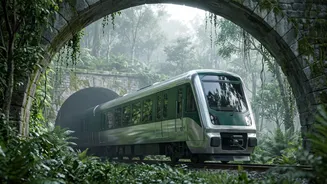
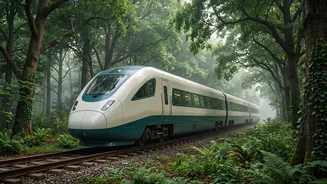
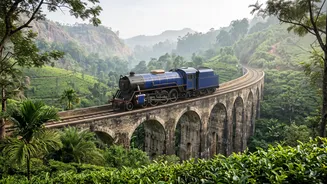
Indian railway lines often cut through ecologically sensitive areas, including forests and wildlife corridors. These linear intrusions pose a constant threat to animals, with train collisions being a tragic and frequent occurrence. While hydrogen trains do not eliminate the physical risk of a track, their quieter operation and lack of fumes offer a less intrusive presence. The loud noise of a diesel engine can mask the train's approach, giving animals less time to react. Quieter trains, combined with other safety measures, could help reduce these fatal encounters. Furthermore, by eliminating diesel fumes and soot, these trains help preserve the delicate air and soil quality within these vital habitats. This is a key reason behind Indian Railways' “Hydrogen for Heritage” initiative, which plans to deploy these clean-energy trains on scenic and ecologically vulnerable routes like the Kalka-Shimla line.
India’s Hydrogen Rail Ambition
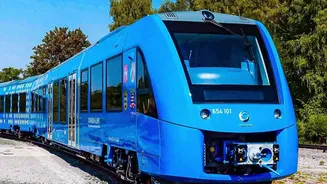
India's vision for hydrogen rail is already in motion. The first indigenous hydrogen-powered train was inaugurated on July 17, 2026, and now operates on the Jind-Sonipat section in Haryana. This pilot project serves as a crucial technology demonstrator, providing valuable operational experience. To support it, the country's largest railway hydrogen storage and refuelling facility has been set up at Jind. The broader "Hydrogen for Heritage" project aims to run 35 hydrogen trains on various heritage routes, which often pass through difficult terrain where electrification is challenging and would spoil the natural beauty. While initial costs are higher than diesel, they are expected to decrease as the technology matures and more trains are deployed, paving the way for a greener, more sustainable railway network across the nation.