






Your Vehicle: The First Line of Defence
Before you even think about turning the key, a thorough vehicle inspection is non-negotiable. Your car is your primary safety tool in such demanding conditions. First, check your tyres. Ensure they have adequate tread depth to grip slippery roads and prevent
hydroplaning, which is when your car loses contact with the road surface. Properly inflated tyres are just as crucial for maintaining stability. Next, inspect your windshield wipers. If they leave streaks or make noise, replace them immediately; clear visibility is paramount in a downpour. Finally, confirm all your lights are working perfectly: headlights, taillights, brake lights, and indicators. Functioning lights are essential for you to see the road and for other drivers to see you. Using low beams is advisable, as high beams can reflect off rain and cause glare, further reducing visibility.
Plan the Journey, Not Just the Destination
Spontaneity has its charms, but not for a rainy night drive through the ghats. Meticulous planning can be a lifesaver. Always check the latest weather forecasts and local road advisories before you leave. Heavy rain can cause landslides or road closures, and it's better to know beforehand. If possible, avoid the journey altogether if severe weather is predicted. Inform a friend or family member of your route and estimated time of arrival. Plan to drive during daylight hours if you can, as visibility is significantly better. If you must drive at night, build extra time into your schedule. Rushing is a recipe for disaster. Pack an emergency kit containing a first-aid kit, a powerful torch, warm clothes, and some non-perishable food and water.
Mastering the Art of Ghat Driving
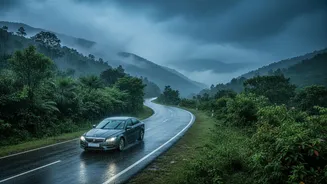
Ghat roads have their own set of rules, which are amplified by rain and darkness. The most important rule is to use engine braking. When driving downhill, shift to a lower gear (the same one you would use to climb that slope) instead of constantly riding the brakes. This prevents your brakes from overheating and failing. Always honk at blind corners and hairpin bends to alert oncoming traffic. Be extremely cautious while overtaking; it's often safest to avoid it entirely on narrow, winding roads. Give priority to vehicles climbing uphill, as it is much harder for them to stop and regain momentum. Finally, turn off your car's air conditioning. This reduces the load on the engine, which is especially helpful during steep climbs, and slightly opening the windows can help prevent the windshield from fogging up.
Navigating Rain, Darkness, and Slippery Roads
The combination of rain and night dramatically reduces your ability to perceive hazards. The number one rule is to slow down significantly. Speed limits are set for ideal, dry conditions, not for a treacherous downpour on a mountain road. Double your following distance to at least four or five seconds to account for increased braking distances on wet surfaces. Be extremely wary of standing water. Puddles can hide deep potholes that can damage your vehicle or cause you to lose control. Driving through deep water can also lead to hydroplaning, where your tyres lose all traction. If you feel the car start to skid or hydroplane, remain calm. Ease your foot off the accelerator and steer gently in the direction you want to go until you regain control. Do not slam on the brakes or use cruise control in wet conditions.
Handling On-Road Emergencies
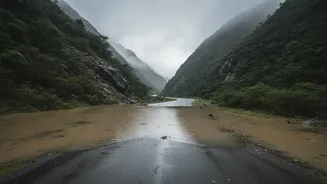
Even with the best preparation, things can go wrong. If visibility becomes near-zero due to extremely heavy rain or fog, the safest action is to pull over and wait. Find a safe spot away from the main road, if possible, and turn on your hazard lights to ensure other drivers can see your stationary vehicle. Be wary of stopping under cliff faces or in areas with loose soil, as these are prime spots for landslides. If you must wade through a waterlogged patch, do so in a low gear while keeping the engine revs high to prevent water from entering the exhaust and stalling the engine. After exiting the water, gently tap your brakes a few times to dry them out and ensure they are working effectively.