

The Power of Simple Snacking
When hunger strikes between meals, it's tempting to reach for convenient, processed options. However, these are often loaded with sodium, unhealthy fats, and added sugars, which can contribute to high blood pressure and cholesterol. Cooking from scratch,
even for a simple snack, gives you complete control over the ingredients. This allows you to minimise unhealthy additives and maximise nutrients. Simple preparation methods like assembling raw ingredients or gentle cooking preserve essential vitamins and minerals that can be lost during intense processing. By choosing whole foods like vegetables, legumes, and lean proteins, you increase your intake of fibre, which is essential for digestive and cardiovascular health. A heart-healthy snack should ideally combine at least two food groups, such as a lean protein and a carbohydrate from a fruit or vegetable, to keep you feeling full and energised.
What to Keep in Your Pantry
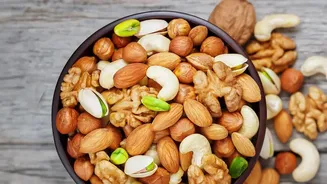
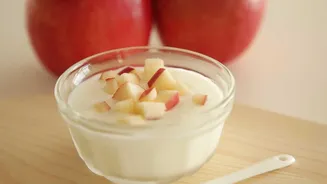
Building a heart-healthy snacking habit starts with having the right ingredients on hand. Stocking your kitchen with versatile, nutrient-dense foods makes it easy to whip up something satisfying without resorting to packaged goods. Key items include unsalted nuts and seeds like almonds and walnuts, which are packed with healthy fats. Canned chickpeas and beans are fantastic sources of plant-based protein and fibre; just be sure to rinse them to reduce sodium. Plain, low-fat yogurt or curd serves as a great base for dips and dressings. For crunch and flavour, keep whole-grain crackers, air-popped popcorn, and a variety of spices like chaat masala, cumin, and turmeric. Fresh produce is non-negotiable; cucumbers, carrots, tomatoes, and bell peppers are perfect for dipping or adding to salads.
1. Quick Chickpea Chaat
This vibrant and filling chaat is packed with protein and fibre, making it an ideal snack to keep you satisfied. It requires no cooking and comes together in minutes. Best of all, it uses basic ingredients that are easy to keep on hand.Step 1: In a medium bowl, combine one cup of boiled or canned chickpeas (rinsed and drained), one finely chopped onion, one chopped tomato, and half a cucumber, diced.Step 2: Season the mixture with a pinch of salt, black pepper, and half a teaspoon of chaat masala. Add a squeeze of fresh lemon juice to taste.Step 3: Gently toss everything together until well combined. For extra freshness and flavour, garnish with chopped coriander leaves before serving.
2. Herbed Yogurt Dip with Veggie Sticks
A creamy, cooling dip is a perfect partner for crunchy, fresh vegetables. This recipe uses low-fat curd or Greek yogurt, which provides a good dose of protein and is naturally low in fat. It is a refreshing and hydrating snack, perfect for a warm afternoon.Step 1: In a small bowl, take one cup of thick, low-fat curd or Greek yogurt and whisk until smooth.Step 2: Finely chop a handful of fresh mint and coriander leaves. Stir them into the yogurt along with a pinch of roasted cumin powder and salt to taste.Step 3: Serve the dip immediately with a colourful assortment of vegetable sticks. Carrots, cucumbers, bell peppers, and celery all work wonderfully and provide a satisfying crunch.
3. Spiced Paneer Bites
For a warm and protein-rich snack, these simple paneer bites are an excellent choice. Paneer is a great source of protein, which helps in keeping you full for longer. This recipe uses minimal oil and a simple pan-searing method instead of deep-frying.Step 1: Cut 100g of low-fat paneer into small, bite-sized cubes. In a bowl, mix two tablespoons of low-fat curd with half a teaspoon of ginger-garlic paste, a pinch of turmeric, and your favourite masala (like tandoori or garam masala).Step 2: Add the paneer cubes to the marinade and toss gently to coat them evenly. Let it sit for at least 10-15 minutes to absorb the flavours.Step 3: Lightly grease a non-stick pan and place it over medium heat. Sear the paneer cubes for a few minutes on each side until they are golden brown and slightly crisp. Serve hot.