

A Departure from the Usual Achaar
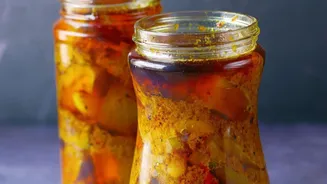
When you think of Indian pickles, or 'achaar', the image that often comes to mind is of succulent pieces of mango or lime glistening in a rich, spicy oil. While delicious, these traditional condiments are often high in oil and salt. However, a growing
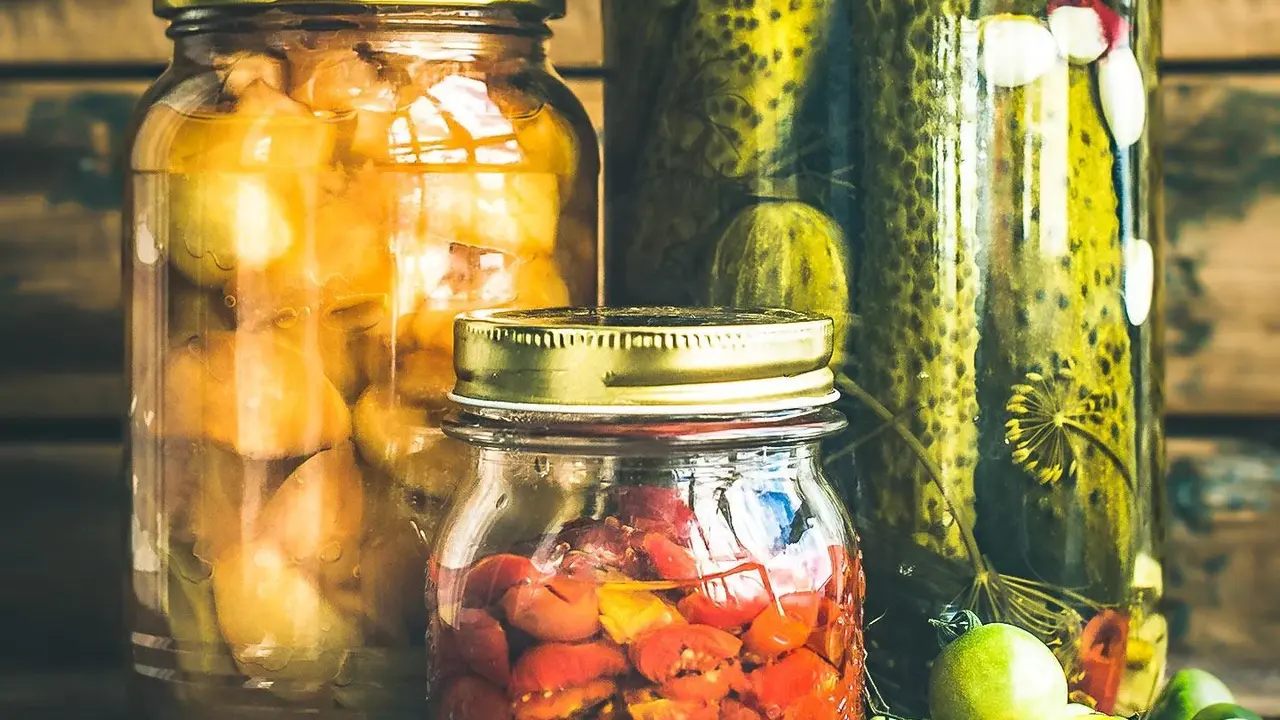
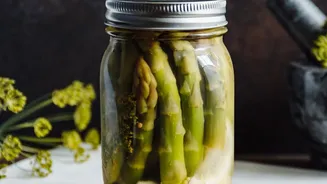
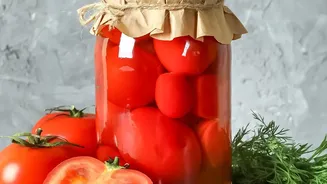
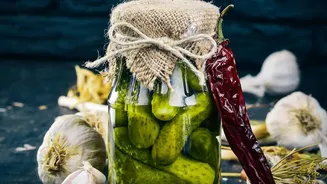
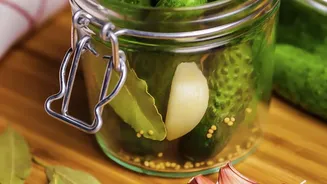
number of health-conscious urbanites are turning their attention to a different kind of pickle—one that is light, water-based, and alive with flavour and nutrients. This isn't about replacing the beloved achaars of our grandmothers but rediscovering a parallel tradition of lacto-fermented pickles that prioritize wellness and gut health. This trend sees a return to methods that use salt, water, and sometimes sunlight to preserve vegetables, creating a tangy, complex flavour profile without a drop of oil.
The Science of Gut Health
The primary driver behind this revival is a modern understanding of an ancient process: fermentation. Oil-free vegetable pickles are typically lacto-fermented, a process where naturally occurring bacteria (Lactobacillus) convert sugars in vegetables into lactic acid. This not only preserves the vegetables but also creates a host of beneficial probiotics. For today's wellness-focused consumer, the word 'probiotic' is golden. Linked to improved digestion, a stronger immune system, and even better mental well-being, a healthy gut microbiome is now seen as the foundation of overall health. These homemade fermented pickles offer a natural, whole-food source of these beneficial microbes, a far cry from commercially processed foods and supplements.
Reviving Ancestral Wisdom
This trend is more than just a health fad; it's a reconnection with ancestral wisdom. Before refrigeration and mass production, fermentation was a vital technique for preserving seasonal produce. Many communities in India had their own versions of water-based or brine pickles. A prime example is 'Kanji', a traditional North Indian fermented drink made from black carrots, water, and mustard seeds, which creates a tangy, probiotic-rich beverage and leaves behind perfectly pickled carrots. By reviving these recipes, urban Indians are not just making a healthy choice but also reclaiming a piece of their culinary heritage that was almost lost to the convenience of modern, oil-heavy preservatives.
The Appeal for the Modern Urbanite
So, why has this revival taken root so strongly in cities? Urban living often comes with a higher awareness of and access to global wellness trends. Social media, food blogs, and online workshops have made the once-arcane science of fermentation accessible to everyone. There's also a growing desire for transparency and control over what we eat. In a world of complex labels and hidden ingredients, the simplicity of a homemade pickle—vegetables, salt, water, spices—is incredibly appealing. It’s a small act of rebellion against the industrial food system, a way to create something pure, authentic, and nourishing with one’s own hands. This hands-on approach connects the cook to their food in a way that opening a store-bought jar simply cannot.
Simple, Tangy, and Full of Life
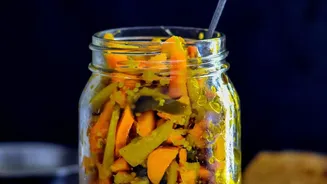
Unlike the intricate, multi-day processes of some oil-based pickles, making a simple brine-fermented pickle is surprisingly straightforward. It often involves little more than chopping vegetables like carrots, cauliflower, or radish, placing them in a sterilized jar with a saltwater brine, and letting nature do the work for a few days. The process is forgiving and encourages experimentation with different spices and vegetables. This accessibility has been crucial to its adoption, demystifying the art of pickling and empowering a new generation of home cooks to fill their pantries not just with food, but with living, gut-friendly goodness.