


The New Destinations: Beyond the Obvious
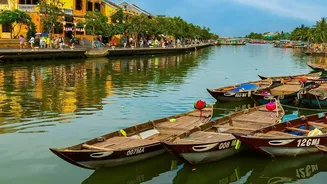
While mainstays like Dubai and Bangkok remain popular, a clear trend shows travellers seeking fresh, accessible international spots. Simplified visa processes have opened doors to Southeast Asian gems like Vietnam and Bali, which are favourites for their
culture, food, and value. Closer to home, a significant 60% of Indian travellers are choosing to explore domestic destinations. lesser-known locales like Jorhat in Assam are seeing a massive surge in interest, serving as gateways to the serene landscapes of Northeast India. Further afield, destinations in Central Asia and the Caucasus, such as Georgia and Uzbekistan, are gaining traction for their unique history and feeling of discovery.
Experience-Led Travel Takes Over
The focus has shifted from just seeing places to actively doing things. A staggering 75% of Indian travellers are now planning trips around specific events like concerts, festivals, or sporting events. This desire for immersive activities is fuelling a boom in niche travel. Wellness tourism is a major highlight, with a growing number of people seeking out destinations that offer yoga, meditation, and holistic healing. India itself is becoming a global hub for wellness, with travellers flocking to sustainable resorts that combine Ayurveda and eco-friendly practices. Adventure travel also continues to thrive, with destinations like Queenstown, New Zealand, attracting those in search of thrills.
The Rise of the Conscious Traveller
A new consciousness is shaping how Indians travel. Sustainability is no longer a buzzword but a key consideration. Travellers are increasingly opting for eco-friendly resorts and experiences that support local communities and minimize environmental impact. This aligns with a broader move towards 'slow travel'—spending more time in a single destination to connect with it deeply rather than hopping between multiple cities. This thoughtful approach also extends to personal travel, with solo trips, especially among women, becoming a significant and empowering trend.
Workations and Digital Integration
The lines between work and leisure continue to blur. The concept of a 'workation'—travelling to a destination while continuing to work remotely—has firmly taken root. This allows for longer stays and a deeper immersion in a new place without using up all annual leave. Technology is another key driver of change. A majority of Indian travellers now use or plan to use AI tools for everything from planning itineraries to getting real-time local recommendations, making travel smoother and more personalized. Even the accommodation itself has become a destination, with many travellers preferring to spend significant time enjoying the property and its amenities.
New Habits on the Global Stage
As more Indians travel internationally for the first time, there's a growing conversation around travel etiquette. Viral videos and social media discussions have highlighted a cultural disconnect, where habits considered normal in India—like loud conversations or a flexible approach to queues—can clash with norms in other countries. While this isn't unique to Indian tourists, it has led to a wider debate about public behaviour and the responsibility that comes with being a global traveller. This increased awareness is itself a sign of evolution, prompting a necessary dialogue about cultural sensitivity and adapting to different social environments while exploring the world.