






The Anatomy of a Polling Day Problem
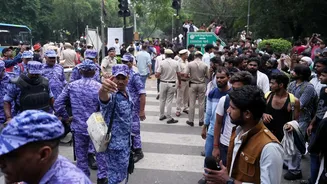
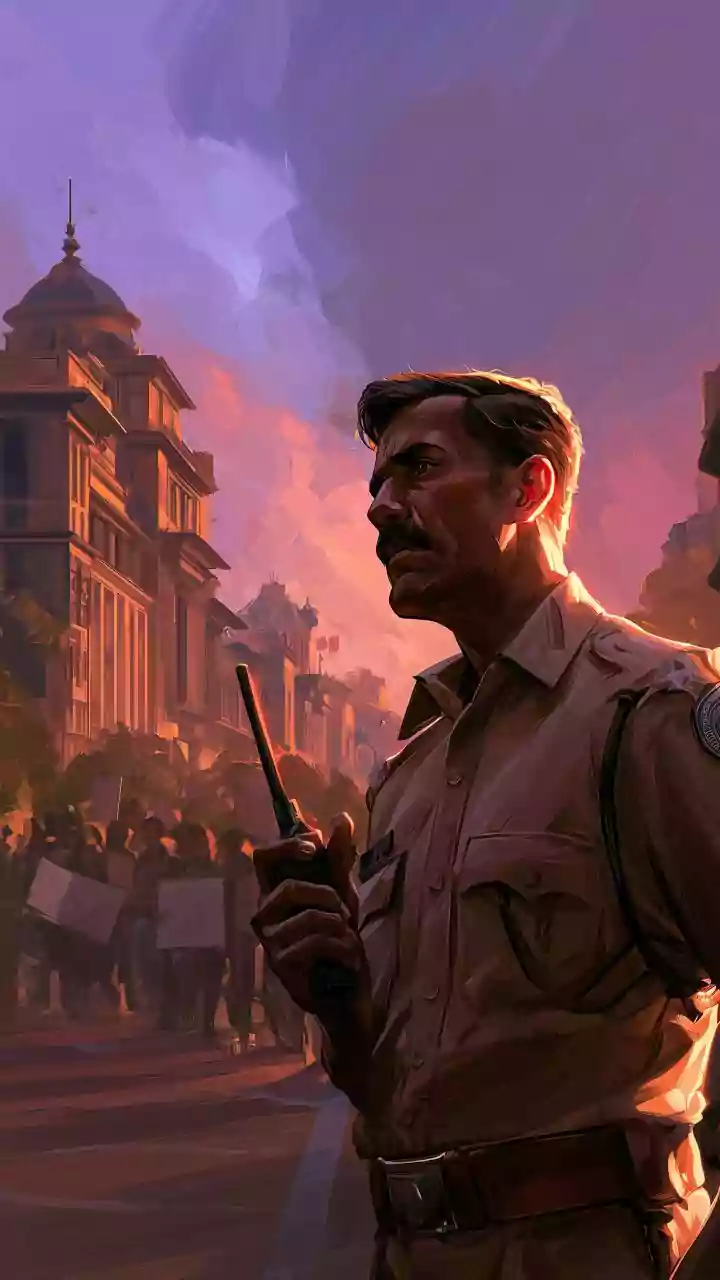
On election day, time is critical and tensions are high. Much of the frustration and conflict at polling stations and election offices stems from a single source: discrepancies in the electoral roll. A voter arrives, ID in hand, only to find their name
is missing, their details are incorrect, or they are registered at a different polling booth. These issues trigger arguments, require manual overrides, and can lead to the casting of provisional ballots which require further verification, slowing down the entire process for everyone. For officials, it means dealing with justifiably upset citizens while trying to manage hundreds of others. For voters, it can feel like being wrongly denied a fundamental right, leading to distrust in the system.
What is Early Voter Verification?
Early voter verification is the ongoing process of ensuring the electoral rolls are accurate and up-to-date well before an election is called. In India, this is a massive logistical undertaking managed by the Election Commission of India (ECI). It involves several key activities. The most visible part is the door-to-door survey conducted by Booth Level Officers (BLOs), who are typically local government or semi-government officials like teachers or anganwadi workers. These BLOs are tasked with verifying existing voters, identifying new eligible voters, and flagging those who have moved or passed away. This process, often called electoral roll purification, is designed to remove duplicate entries, correct errors, and ensure every eligible citizen is correctly listed.
The Frontline Role of the BLO
The Booth Level Officer is the cornerstone of the early verification system. As a representative of the ECI at the grassroots level, the BLO serves as a direct link between the election machinery and the community. Because they are often from the same local area, they possess invaluable local knowledge. Their responsibilities include not just verifying names on a list, but also collecting application forms for additions, deletions, and corrections. By physically visiting homes and interacting with residents, BLOs can resolve potential issues months, or even years, before they can cause a problem on polling day. This meticulous fieldwork is what ensures the fidelity of the electoral roll.
How Verification Calms Tensions
The link between a clean electoral roll and a peaceful election day is direct. When a voter’s details have been proactively verified, their check-in process at the polling station becomes seamless. A quick check of their name and ID is all that's needed. This drastically reduces queues and wait times, which are major contributors to voter frustration. More importantly, it eliminates the primary cause of disputes. There is no argument if the voter's name is present and correct. This allows polling officials to focus on facilitating a smooth voting process rather than troubleshooting administrative errors under pressure. A clean list prevents fraud and impersonation attempts, which further boosts the integrity of the process.
Technology as a Force Multiplier
In recent years, technology has become a powerful ally in the verification process. The ECI’s National Voters' Service Portal (NVSP) and mobile apps allow citizens to take an active role. Voters can now check their own status, apply for corrections, and track their applications online without waiting for a BLO to visit. This digital access empowers voters and distributes the workload. Initiatives to link the EPIC (Elector's Photo Identity Card) with other databases like Aadhaar aim to further automate the removal of duplicate entries, although these have faced legal and privacy-related discussions. The goal is a hybrid system where technology makes verification more efficient, while human oversight from BLOs ensures accuracy and inclusivity.
Building Confidence in Democracy
Ultimately, the effort to maintain clean and accurate voter rolls is about more than just administrative efficiency; it is about building public trust. When the voting process is smooth, transparent, and hassle-free, it reinforces citizens' faith in the democratic system. Early verification is a preventative measure that demonstrates a commitment to ensuring every eligible vote counts and is counted correctly. It transforms the act of voting from a potentially stressful ordeal into the straightforward civic exercise it is meant to be, preventing escalations by solving problems long before they begin.