



Why Late Summer is a Golden Opportunity
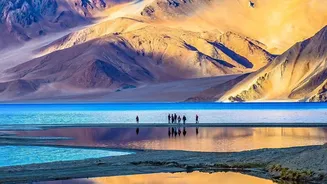
July and August are peak tourist months in Ladakh, but as August ends and September begins, the crowds start to thin. This shoulder season offers a sweet spot: the weather is still pleasant, and the roads are fully operational. Ladakh sits in a rain shadow,
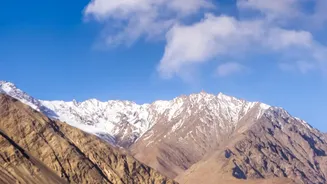
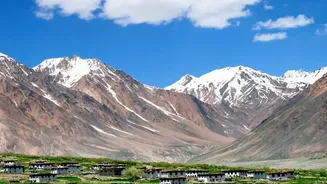
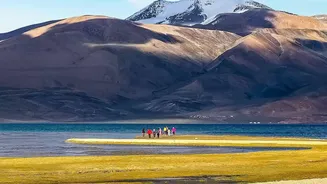
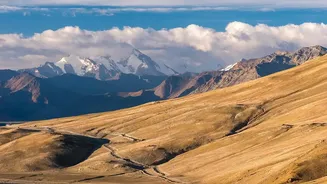
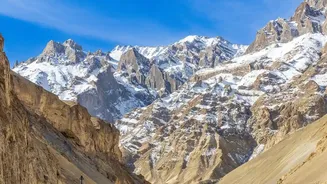
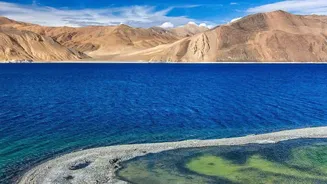
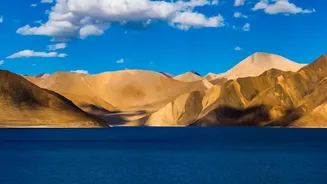
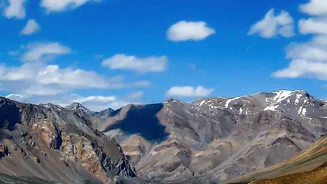
meaning it receives very little monsoon rain, especially compared to the rest of India. While the approach highways through Himachal and Kashmir might see some rain, Ladakh itself is mostly dry and sunny. By late August and September, the air becomes crisper, the skies turn a deeper blue, and the landscape begins to hint at the golden hues of autumn, offering spectacular photographic opportunities. You get the benefits of summer accessibility with a more peaceful atmosphere.
Choosing Your Route: Road vs. Air
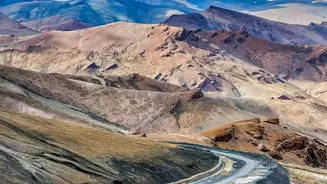
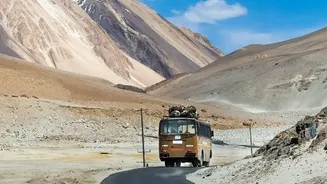
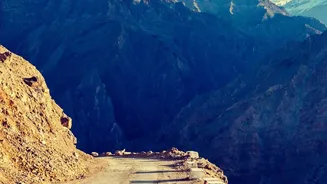
Flying into Leh is the most convenient way to travel, especially in late summer, as it bypasses any potential monsoon-related landslides on the approach highways. However, it makes proper acclimatisation crucial. If you're planning a road trip, both the Manali-Leh and Srinagar-Leh highways are typically open. The Manali-Leh highway is more dramatic but involves crossing higher passes, increasing the risk of altitude sickness. The Srinagar-Leh highway offers a more gradual ascent, making it a slightly better option for acclimatisation. By late summer, road conditions are generally stable, though occasional blockages from rain on the lower sections are possible. Always have a buffer day or two in your itinerary for such delays.
The Golden Rule: Acclimatise Properly
Leh is situated at an altitude of 3,500 meters (about 11,500 feet), and arriving without acclimatising can lead to Acute Mountain Sickness (AMS), which includes symptoms like headaches, dizziness, and nausea. The most critical rule is to rest for at least 24 to 48 hours upon arrival in Leh before venturing to higher altitudes like Khardung La or Pangong Tso. Drink plenty of water—at least 3-4 litres a day—and avoid alcohol for the first few days. A slow and relaxed first couple of days exploring Leh town is the best way to let your body adjust to the thin air.
Permits and Paperwork Simplified
To visit popular areas like Nubra Valley, Pangong Tso, and Tso Moriri, Indian tourists need to pay an environment fee, which has replaced the older Inner Line Permit (ILP) system. Foreign nationals require a Protected Area Permit (PAP). The process is now streamlined and can be done online through the official Leh district administration portal. You simply fill in your details, select the areas you plan to visit, pay the fee online, and print the receipt. It's wise to carry multiple copies of your permit and a valid government-issued photo ID, as you'll need to submit them at various checkpoints.
Packing for Four Seasons in One Day
Ladakh's weather is notoriously unpredictable, and layering is your best strategy. Even in August and September, daytime temperatures can be a pleasant 15-25°C, but they drop sharply at night, especially at higher altitudes like Pangong Lake. Your packing list should include: light woollens or fleece for the day, a warm windproof jacket for evenings and passes, thermal innerwear as a base layer, a woollen cap, gloves, and warm socks. Sun protection is non-negotiable due to the high UV intensity; pack a high-SPF sunscreen (SPF 50+), sunglasses, and a wide-brimmed hat. Comfortable walking shoes with good grip are essential.