




Beyond the Button Mushroom
For years, the humble button mushroom dominated Indian kitchens, a reliable but unexciting staple. Now, a culinary shift is underway. The arrival of the monsoon no longer just means chai and pakoras; for a growing number of chefs and food lovers, it signals
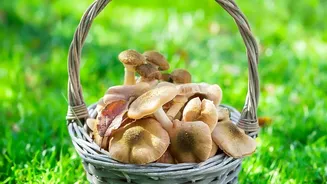
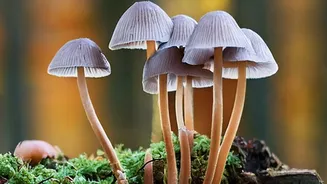
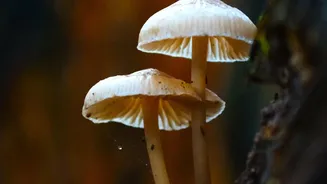
the start of a treasure hunt. The prize? Wild, foraged mushrooms that sprout for a few fleeting weeks across the country. From the termite mounds of Goa to the forests of Jharkhand and the hills of the Western Ghats, these fungi offer a taste of the terroir they come from. Unlike their cultivated cousins, wild mushrooms like Olmi, Rugra, and Khukhdi possess unique, intense flavours and meaty textures that are impossible to farm, making them a true seasonal delicacy.
A Taste of the Wild
The diversity of India's monsoon mushrooms is staggering. In Goa and along the Konkan Coast, the most prized variety is the Roen Olmi. This Termitomyces species grows exclusively on termite hills and is harvested by those with generational knowledge. It has a distinctly meaty texture and earthy flavour, traditionally simmered into a fiery coconut-based Xacuti. In Jharkhand, the monsoon brings forth Rugra, a spherical mushroom found near Sal trees that’s often called 'vegetarian mutton' for its firm bite and meat-like taste. Meanwhile, in the Kanara coast, thunderstorms are believed to trigger the sprouting of Gud Gud Alambe (thunder mushrooms), prized for their delicate, buttery texture. Each variety tells a story of its origin, a unique expression of the local ecosystem.
From Forest Floor to Fine Dining
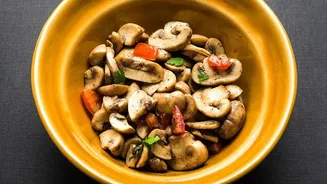
This embrace of wild fungi is not just happening in homes; it's a headline trend in India's top restaurants. Chefs are collaborating with local foragers to bring these rare ingredients to urban diners, crafting special monsoon menus that celebrate this seasonal bounty. In cities like Mumbai, Delhi, and Bengaluru, innovative dishes are appearing for a limited time. You might find a rich, coconut-based curry made with meaty Almabi mushrooms, or an earthy mushroom pepper fry featuring fungi foraged from the Western Ghats. These dishes go beyond novelty; they represent a deeper connection to India's regional foodways and a commitment to showcasing the country's incredible biodiversity on the plate.
Reviving Traditional Knowledge
The trend is about more than just flavour; it’s a revival of traditional wisdom. For generations, indigenous communities have known exactly where and when to find these edible fungi. This knowledge, passed down through families, includes identifying safe mushrooms and understanding their unique culinary uses. In many communities, the act of foraging is a cherished ritual. By bringing these mushrooms into mainstream cooking, chefs and home cooks are helping to preserve and honour this invaluable ecological heritage. It connects diners not just to a new taste, but to the ancient practices of the communities who have been the guardians of these forests for centuries.
How to Enjoy Monsoon Mushrooms at Home
While some rare varieties remain elusive, many regional mushrooms find their way to local markets during the rainy season, often sold by vendors wrapped in teak leaves. If you're new to wild mushrooms, the key is to keep the preparation simple to let their natural flavour shine. A simple stir-fry with garlic, green chillies, and perhaps a hint of spice is a great start. They can be simmered in light coconut curries, tossed in a South Indian-style pepper fry, or simply sautéed with onions and served with hot rice. The goal is to complement, not overpower, their unique earthy notes. Foraging on your own is not recommended without an expert guide, as many edible varieties have poisonous look-alikes. Instead, seek out knowledgeable local vendors or join guided foraging walks.