




First, Hunt Down the Leaks
The most obvious culprit for a damp home is water getting in from the outside. Before you can tackle airborne moisture, you must ensure your home is properly sealed. Start by thoroughly inspecting your property for any potential entry points. Check for cracks
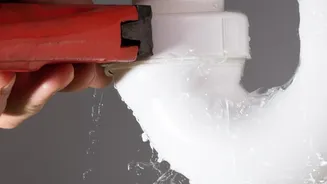
in the walls, especially around window and door frames, and seal them with waterproof grout or sealant. Don't forget the roof and terrace, which are highly vulnerable to monsoon leaks; applying a fresh waterproof coating can save you from significant trouble later. Also, inspect plumbing under sinks and around toilets for slow drips. Even a minor, unnoticed leak can contribute a surprising amount of moisture to your indoor environment, creating the perfect conditions for mould and weakening your home's structure over time.
Let Your Home Breathe with Better Airflow
A stuffy home is a damp home. Without proper ventilation, moisture from daily activities like cooking, bathing, and even breathing gets trapped indoors. Improving airflow is one of the most effective ways to combat this. The simplest method is cross-ventilation: on days when it isn't raining heavily, open windows on opposite sides of a room for 20-30 minutes. This simple action flushes out stale, humid air and replaces it with fresher air from outside. Make it a habit to use exhaust fans in your kitchen and bathrooms, running them for 15-20 minutes after you finish cooking or showering to expel moisture directly at the source. Also, take a look at your furniture placement. Moving sofas and cupboards slightly away from walls allows air to circulate, preventing damp patches from forming in stagnant corners.
Actively Control Airborne Humidity
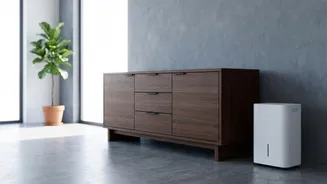
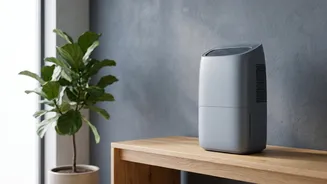
In a climate like India's, especially during the monsoon, even a leak-free, well-ventilated home can struggle with high humidity. This is when you need to take active steps to remove water vapour from the air. An air conditioner is a great tool for this, as it naturally dehumidifies while it cools. Many models also have a “Dry Mode” which focuses on removing moisture without making the room too cold—perfect for humid but mild days. For persistent dampness, especially in basements, wardrobes, or coastal homes, a dedicated dehumidifier is an excellent investment. These appliances actively pull moisture from the air, collecting it as water that you can simply discard. For a low-cost, passive option in enclosed spaces like cupboards, use moisture absorbers like silica gel packs. These can be surprisingly effective at keeping clothes and stored items from feeling damp and musty.
Beyond Comfort: The Payoff is Health and Savings
Keeping your home dry is about much more than avoiding musty smells. It’s a crucial investment in your family’s health and your property’s longevity. Excess humidity is the primary cause of mould growth, which can trigger a range of health issues. Exposure to mould can cause allergic reactions, such as sneezing, runny noses, and skin rashes, and can worsen conditions like asthma, particularly in children. Over time, unchecked moisture can cause serious structural damage, including rotting wood, corroding metal, and even a weakened foundation. This silent destroyer can lead to warped floors, peeling paint, and damage to electronics. By actively managing leaks, airflow, and humidity, you're not just creating a more comfortable living space—you're preventing costly repairs and protecting your family from preventable health risks.