


Why Your Knife Skills Matter
How you cut a vegetable dramatically affects its taste, texture, and cooking time. The size and shape of a vegetable piece determine its surface area. A larger surface area, like a long, thin slice, allows for more contact with heat and seasoning, leading
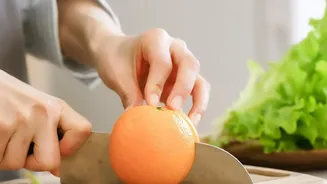
to faster cooking and more flavour absorption. A fine dice of onion will soften and melt into a sauce, while larger chunks will retain their shape and offer a more distinct, pungent bite. Uniformity is also key; cutting vegetables to a similar size ensures they cook evenly, preventing some pieces from turning to mush while others remain raw. It's the difference between a good dish and a great one.
Essential Cuts for the Home Cook
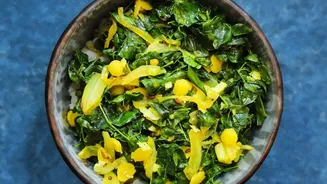
You don’t need to master every French culinary cut to improve your cooking. Focusing on a few versatile techniques will cover most of your needs. A 'dice' creates small, uniform cubes, perfect for dishes where ingredients should cook quickly and blend together, like in fried rice or a fine soup base. 'Slicing' into rounds or half-moons is great for layered dishes like gratins or for a simple stir-fry. For leafy greens and herbs, the 'chiffonade'—stacking leaves, rolling them tightly, and slicing into thin ribbons—releases their aroma without bruising. And cutting vegetables into 'batons' or sticks makes them ideal for dipping, roasting as fries, or adding a crunchy texture to salads.
Matching the Cut to the Cooking Method
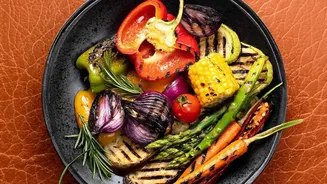
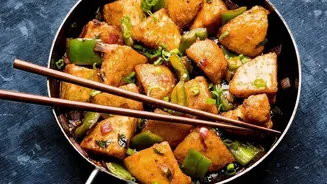
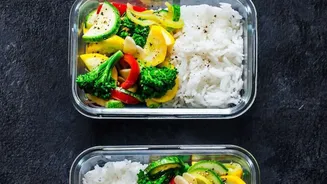
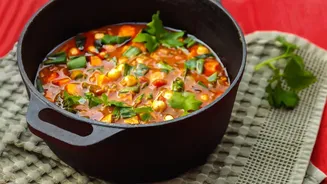
The true magic happens when you pair the right cut with the right cooking method. For high-heat, quick cooking like stir-frying, small, thin cuts like julienne strips or a small dice are ideal because they cook in minutes. For roasting, however, you want larger, chunkier pieces. The longer cooking time in the oven's dry heat allows these big pieces to caramelise on the outside, developing a deep, sweet flavour while becoming tender on the inside. A finely grated vegetable can almost disappear into a sauce to thicken it, while a large, rustic chop is perfect for a hearty, slow-cooked stew where you want the vegetables to maintain their integrity.
Case Study: The Versatile Gourd
Let’s take a common seasonal favourite in India: the bottle gourd (lauki) or pumpkin (kaddu). You could dice it into small cubes for a classic lauki sabzi, where it cooks down quickly and absorbs the spices. Or, you could cut it into larger, one-inch chunks to add to sambar, where it needs to hold its shape during a longer simmer. Grating the same gourd opens up even more possibilities; it becomes the base for flavourful koftas, can be mixed into batter for savoury pancakes, or kneaded into dough for parathas. Sliced thinly and pan-fried, it becomes a simple, tasty side dish. One vegetable, four cuts, four completely different meals.
Expand Your Culinary Horizon
By understanding this relationship between cut and method, you unlock a new level of creativity. That single seasonal vegetable is no longer a one-trick pony. The carrots in your fridge can be julienned for a crisp salad, cut into rounds for a stir-fry, diced for a soup, or cut into large batons for roasting with a glaze. You stop seeing ingredients as being for one specific dish and start seeing their potential for many. This approach not only makes your meals more interesting but also helps reduce food waste by encouraging you to use up what you have in new and exciting ways.