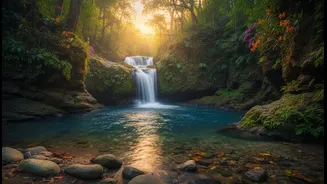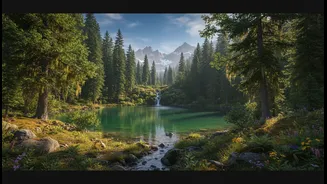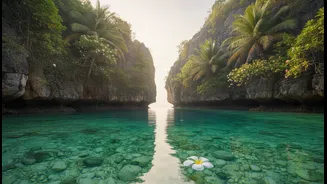






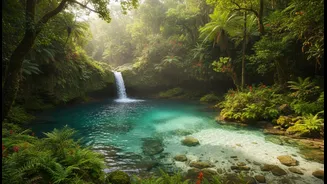


What is Destination Gatekeeping?
Destination gatekeeping is the practice of deliberately withholding the specific location of a natural or cultural spot to protect it from the masses. Often called 'digital silence,' it's a direct response to the age of social media, where a single viral
post can transform a quiet haven into an overcrowded tourist trap overnight. This might mean not geotagging an Instagram post, using a vague regional tag like 'Alps' instead of the exact trail name, or refusing to share coordinates in direct messages. The core idea isn't about elitism or exclusivity, but conservation. It’s a grassroots effort by ethical travellers, locals, and even some influencers who have witnessed the negative consequences of overtourism firsthand.
The Case for Keeping Quiet
The arguments for gatekeeping are rooted in sustainability. When a location goes viral, the consequences can be severe. Fragile ecosystems suffer from soil erosion and trampled vegetation due to increased foot traffic. Areas unprepared for crowds see a surge in litter and human waste. In Fontainhas, Goa's historic Latin quarter, residents have put up signs asking tourists not to photograph their homes, as the streets became overrun with people seeking the perfect social media shot. Beyond environmental damage, overtourism can strain local resources, disrupt wildlife, and fundamentally alter the character of a community. In some parts of South Africa, there are even warnings against geotagging photos of endangered animals, as poachers have used social media posts to track them. For supporters, keeping a place secret is a necessary act of stewardship to preserve its authenticity and ecological health for future generations.
The Argument for Open Discovery
However, the practice of gatekeeping is not without its critics. Some argue that it is a form of elitism, where those with the resources and privilege to discover places on their own get to enjoy them, while others are shut out. This perspective holds that public lands, in particular, should be accessible to everyone. Furthermore, many small communities rely heavily on tourism for their economic survival. Sharing information about local attractions can drive business to locally-owned restaurants, shops, and guides, ensuring that tourism dollars benefit the people who live there. Proponents of sharing also believe it can be done responsibly, promoting a wider distribution of tourists away from already-burdened hotspots and introducing travellers to new, authentic experiences. For many, the joy of travel is in the sharing, and an outright ban on naming places can feel like it contradicts the communal spirit of exploration.
Beyond the Geotag: A Path to Mindful Travel
Ultimately, the debate over destination gatekeeping highlights a larger issue: the need for a more conscious approach to travel. The problem isn't just a geotag, but a style of travel that reduces destinations to photo opportunities. Rather than a simple choice between sharing and secrecy, a more sustainable path involves a shift in mindset. This includes practicing 'Leave No Trace' principles, choosing eco-friendly accommodations, and supporting local economies. It means slowing down to have a more meaningful experience in one place instead of rushing between photo ops. Some tourism boards are getting creative; Austria, for instance, launched a campaign asking visitors to metaphorically 'sign an NDA' to keep hidden gems off social media. The goal is to encourage a form of tourism that values the place itself more than the online visibility it can provide.