





The great Indian annual holiday is not dead, but it is evolving. For a growing number of city dwellers, the tradition of one long, meticulously planned vacation is being replaced by a series of shorter, more spontaneous 'micro-vacations'.
The End of the Annual Leave Ritual
The classic model
of saving up all your leave days for a single, extended trip once a year is fading. In its place, a more agile approach to travel is emerging. A survey from Airbnb revealed that seven in ten Gen Z travellers in India would rather take three short trips over one long annual holiday. This shift is not just about frequency; it's about a fundamental change in mindset. Travel is no longer a once-a-year event but a regular pulse in the calendar, a way to punctuate the routine of urban life. These short getaways, typically lasting two to four days, are often built around long weekends and public holidays, requiring fewer leave days and less elaborate planning. The booking window has also shrunk, with many trips planned just weeks or even days in advance, reflecting a growing appetite for spontaneity.
A Response to Urban Burnout
A primary driver of this trend is the demanding nature of modern professional life. The constant connectivity and high-pressure work environments in India's metros are leading many to seek frequent, accessible escapes to recharge. For many young professionals, taking a quick break is a proactive way to manage stress and improve mental well-being. In one survey, 'taking a break from stress/burnout' was the top reason for planning a trip among Gen Z. These micro-vacations act as a necessary reset button, allowing people to disconnect and return to their work with renewed energy. The focus is less on frantic sightseeing and more on rest, relaxation, and personal well-being.
Smarter Economics and Greater Variety
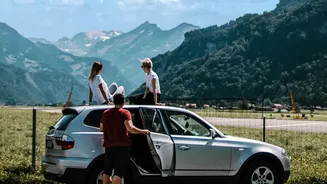
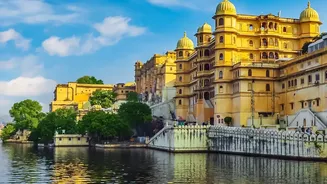
Financially, taking several smaller trips often feels more manageable than funding one expensive annual vacation. Micro-vacations allow for better budget control and the flexibility to explore different destinations without a significant financial commitment. Travellers can opt for road trips to nearby destinations, stay in budget-friendly homestays, or take advantage of deals on short-haul flights. This approach democratises travel, making it possible to experience a wider variety of places and cultures throughout the year. Instead of choosing between the mountains or the beach for an annual trip, city dwellers can now enjoy both, and perhaps a heritage city tour and a wellness retreat as well, all within the same year.
The Rise of 'Bleisure' and Remote Work
The normalisation of remote and flexible work has been a significant catalyst for the micro vacation trend. The ability to work from anywhere has blurred the lines between business and leisure travel, giving rise to 'bleisure' trips. Professionals are increasingly extending work trips over a weekend to explore a new city or booking a 'workation' in a scenic location for a change of scenery. This flexibility allows for travel without dipping into precious leave days. As long as there's a stable Wi Fi connection, a hillside cottage or a beachside villa can become a temporary office, blending productivity with the benefits of a getaway.
A Shift Toward Authentic Experiences
This trend is also tied to a desire for more authentic and personal travel experiences. Rather than ticking off famous landmarks, many travellers are seeking genuine connection and local immersion. Micro vacations are often focused on specific interests like culinary exploration, nature treks, music festivals, or simply relaxing in a unique property. There is growing interest in exploring lesser known, offbeat destinations in Tier II and Tier III cities which offer unique cultural experiences away from the tourist crowds. According to one report, a vast majority of young travellers want their trips to feel personal and unique, deliberately leaving room for spontaneous discoveries rather than following a rigid itinerary.