






Mastering Your Fuel Strategy
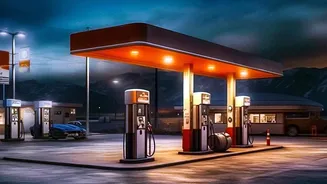
Fuel is the single largest running cost of any road trip, and with prices fluctuating, smart planning is essential. As of mid-2026, petrol prices in major cities like Delhi and Mumbai hover between ₹102 and ₹112 per litre, while diesel costs are in the ₹95
to ₹98 range. Before you even start the engine, get a baseline estimate of your car’s mileage on highways, which is often better than in the city. Use this to calculate your total fuel requirement and budget accordingly. Simple driving habits can also stretch every litre. Maintaining a steady speed, ideally between 70 and 90 km/h, can significantly boost efficiency. Avoid aggressive acceleration and hard braking, as these actions waste fuel. Also, reduce unnecessary weight in the car and ensure your tyres are properly inflated to the manufacturer's recommended pressure. A well-serviced engine with clean air filters and spark plugs also runs more efficiently, potentially improving mileage by a noticeable margin.
Navigating Tolls with FASTag
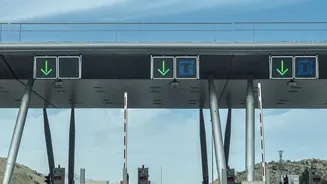
Gone are the days of fumbling for cash at toll plazas. FASTag, an electronic toll collection system using RFID technology, is now mandatory across India's national highways. Vehicles entering a FASTag lane without a functional tag are typically required to pay double the toll amount in cash. To avoid penalties and delays, ensure your vehicle has a valid FASTag affixed to the windscreen, linked to a funded prepaid account. Since early 2026, rules have been simplified, and the routine Know Your Vehicle (KYV) process is no longer required for most private cars after activation. However, keeping your tag in good condition is crucial. Damage from heat, dust, or harsh cleaning can cause scanning failures. If your tag fails to scan, the most common culprits are insufficient balance or physical damage. Always check your balance before a trip via your provider's app. If scanning issues persist, it's best to request a replacement from your issuing bank.
Budgeting Your Trip in Advance
A great road trip begins with a great plan. Instead of guessing your expenses, use digital tools to get a precise estimate of your fuel and toll costs. Several apps and websites, like TollGuru, offer free trip cost calculators. By simply entering your starting point, destination, and vehicle type, these tools can provide a detailed breakdown of all the toll plazas on your route and the total toll charges. Many of these calculators also estimate your total fuel cost based on your car's mileage and current fuel prices. Google Maps has also integrated toll price estimates into its navigation, showing the projected cost for a route before you start driving. This feature allows you to compare different routes not just by time and distance, but also by cost. Using these tools to create a pre-trip budget helps you avoid surprises and manage your finances better on the road, leaving you free to enjoy the journey.
On-the-Road Troubleshooting
Even with perfect planning, you might face the occasional hiccup. If your FASTag is unreadable at a toll booth, don't panic. Sometimes the issue is with a specific lane's scanner; try moving to a different one if possible. As per recent rules, if your tag fails but you have sufficient balance, you may have the option to pay a slightly higher surcharge (e.g., 1.25 times the toll) using UPI instead of the double-cash penalty. It's always a good idea to have a UPI app ready as a backup. In case of repeated technical glitches or incorrect deductions, you should report the issue to your FASTag provider immediately. Most have a portal or app for raising disputes. Similarly for fuel, while major highways are well-served, it's wise to refuel when your tank is about one-third full, especially in remote areas. Apps like Mappls can help locate fuel stations along your route, ensuring you're never caught running on empty.