





A Breakthrough in Cooling Technology
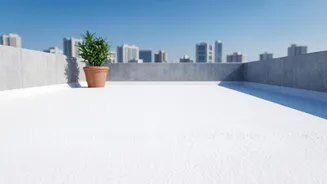
Scientists have developed a paint so white that it’s earned a place in the Guinness World Records. This isn't just about aesthetics; this is about groundbreaking science. Developed by researchers at Purdue University, this ultra-white paint can reflect
an astonishing 98.1% of sunlight. Unlike conventional white paints that still absorb some heat and warm up under the sun, this new formulation actually makes surfaces cooler than the surrounding air temperature, even under direct sunlight. This phenomenon, known as passive radiative cooling, allows the paint to not only repel solar heat but also radiate infrared heat away from the surface and into deep space.
The Science Behind the 'Coolest' White
The secret lies in the paint's unique composition. Instead of the typical titanium dioxide found in most commercial white paints, this innovative formula uses a high concentration of barium sulfate. This compound, also used in cosmetics and photo paper to achieve a bright white, is highly effective at scattering the sun's rays. Furthermore, the researchers incorporated barium sulfate particles of various sizes. This variety is crucial because different particle sizes scatter different wavelengths of light, allowing the paint to repel a much broader spectrum of solar energy. While the term 'bio-engineered' can bring to mind living organisms, in this context it refers to being bio-inspired. Researchers have looked at natural examples of cooling, such as the unique shell structure of the Sphincterochila zonata desert snail, to inform the development of advanced cooling materials.
More Than Just a Lighter Shade of Pale
The difference between this ultra-white paint and the heat-reflective paints currently on the market is significant. Most commercial "cool roof" paints reflect between 80% and 90% of sunlight. While helpful, they still absorb enough solar radiation to become warmer than the ambient air. This new paint, by reflecting over 98%, only absorbs a tiny fraction of sunlight (about 1.9%), allowing the surface to reach temperatures up to 4.5°C below its surroundings during the day. The cooling power is so substantial that researchers estimate painting a 1,000-square-foot roof could provide 10 kilowatts of cooling power, which is more powerful than the central air conditioning systems used in most homes.
Potential for Indian Homes and Cities
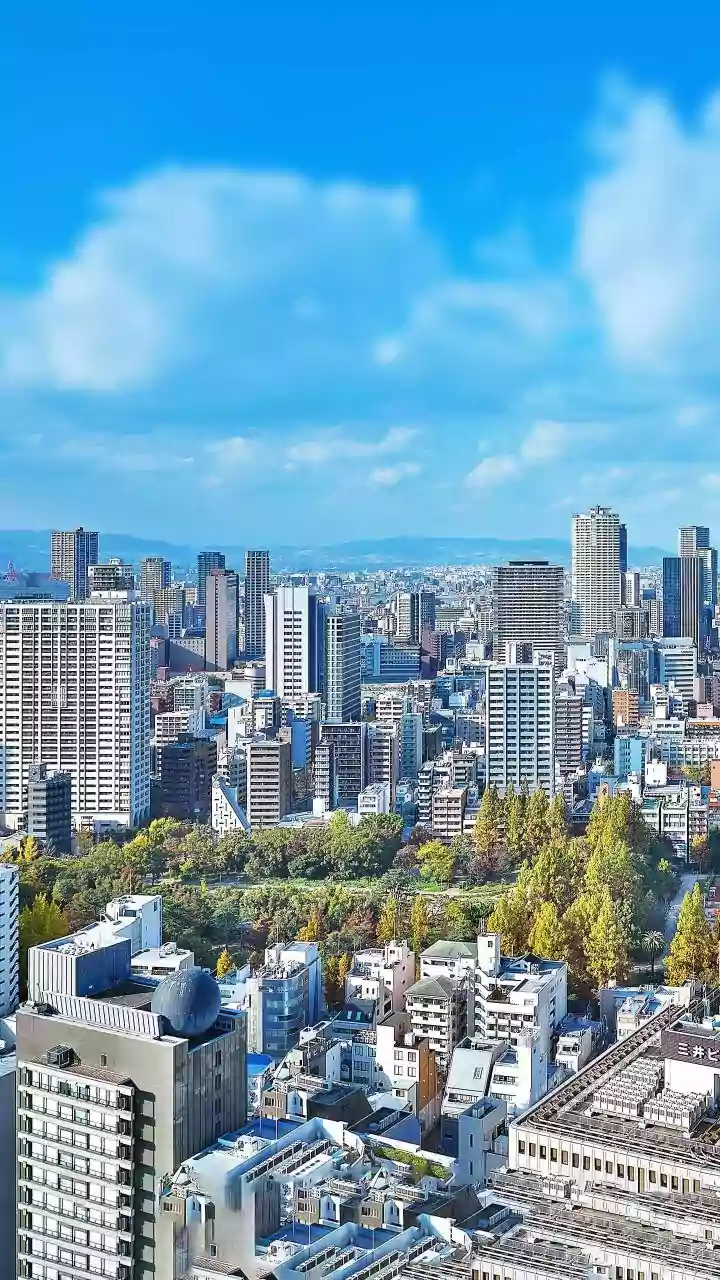
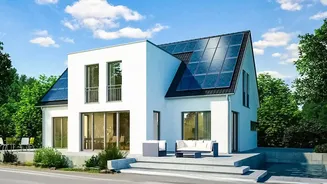
The implications for a country like India, which grapples with intense heatwaves and a rising demand for energy-intensive cooling, are immense. Coating the roofs of residential buildings, offices, and warehouses with this paint could dramatically lower indoor temperatures, reducing the reliance on air conditioning. This translates directly into lower electricity bills for households and businesses and a reduced load on the nation's power grid, especially during peak summer months. On a larger scale, widespread application in urban areas could help mitigate the 'urban heat island' effect, where cities are significantly warmer than surrounding rural areas due to heat absorbed by roads and buildings. By turning buildings into reflective surfaces, cities could become cooler and more liveable.
The Road from Lab to Rooftop
While the science is proven, the paint is still on its journey to widespread commercial availability. Researchers are working to ensure the paint is durable enough for long-term outdoor use and can be manufactured at a cost comparable to existing paints. More recent developments have even produced a thinner, lighter version using hexagonal boron nitride, which is ideal for cooling vehicles like cars, trains, and even airplanes. As this technology matures, it offers a sustainable, energy-free solution to one of the most pressing challenges of a warming climate, promising a cooler future one brushstroke at a time.