


The Monsoon Mushroom Explosion
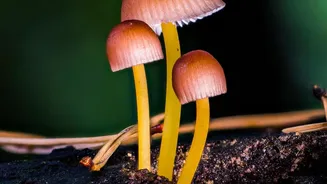
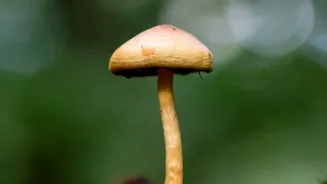
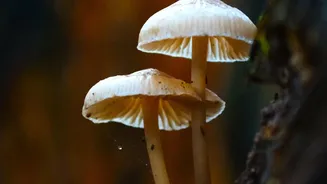
The connection between the rainy season and mushrooms is no coincidence. Fungi thrive in moist, humid environments. The mushroom we see is merely the fruiting body of a much larger underground network called mycelium. This network lies dormant until conditions
are perfect. The monsoon provides the essential ingredients: high moisture in the soil and air, moderate temperatures, and accelerated decomposition of organic matter, which serves as food. This combination triggers the mycelium to produce mushrooms rapidly, seemingly overnight, in a bid to spread its spores while the weather is favourable.
The Problem of Poisonous Look-Alikes
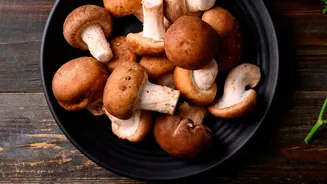
The single greatest danger in foraging is the existence of toxic doppelgängers. Many poisonous mushrooms closely mimic popular edible varieties, a fact responsible for the majority of poisoning incidents. For instance, the deadly Death Cap (Amanita phalloides), which causes the most mushroom-related fatalities worldwide, can be mistaken for the edible Paddy Straw mushroom. Similarly, other toxic species in the Amanita genus, like the Destroying Angel, can look like a common meadow mushroom to the untrained eye. There is no single, simple visual rule to distinguish safe from toxic; they come in all colours, shapes, and sizes.
Debunking Dangerous Old Wives' Tales
Folklore is filled with so-called 'tests' to identify poisonous mushrooms, but these are dangerously unreliable and have no basis in science. A common myth is that a toxic mushroom will tarnish a silver spoon or turn onions black when cooked. This is false. Another is that if an animal like a slug or squirrel has nibbled on it, it must be safe for humans. This is also untrue, as many animals can digest toxins that are lethal to people. Relying on taste is equally perilous; some of the most lethal mushrooms, like the Death Cap, are reported to have a mild and pleasant taste. Cooking does not necessarily neutralize all toxins either, as some are heat-stable.
Variation Makes Identification an Expert Skill
Even for a single species, appearance is not fixed. A mushroom's look can change dramatically based on its age, the soil it grows in, and recent weather. A young mushroom in its 'button' stage can look completely different from its mature form. Furthermore, recent reports suggest that changing climatic conditions, such as erratic rainfall and temperature shifts, may be altering the growth characteristics of wild mushrooms, making traditional identification knowledge less reliable. Features like colour, shape, and texture can vary, making positive identification a moving target even for experienced foragers.
The Challenge of Local Knowledge
While India has a rich tradition of using wild mushrooms, with some ethnic groups consuming hundreds of species, this knowledge is highly localized and not easily transferable. Many popular field guides for mushroom identification are focused on species found in Europe or North America, which are not comprehensive for the unique biodiversity of the Indian subcontinent. There are over 1,200 known mushroom species in India, with around 100 documented as poisonous. Accurately identifying a mushroom often requires examining subtle characteristics like its gill structure, how it attaches to the stem, and even the colour of its spore print—a technique that involves leaving the mushroom cap on paper for hours. This level of detail requires expert training.