






The Concrete Jungle's Fever
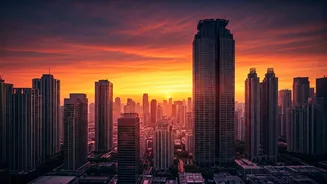
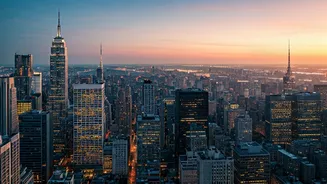
The primary culprit is something scientists call the 'Urban Heat Island' (UHI) effect. In simple terms, our cities are significantly warmer than surrounding rural areas because of how they are built. Materials like concrete, asphalt, and glass absorb
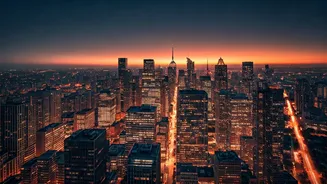
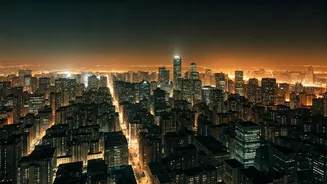
huge amounts of the sun's heat during the day. Unlike natural landscapes with soil and vegetation, these materials are slow to release that stored warmth. So, long after the sun has set, the buildings, roads, and pavements continue to radiate heat back into the air, keeping the city sweltering through the night. This effect is becoming more intense as our cities grow denser and more concretised.
Bengaluru's Vanishing Gardens
Bengaluru, once famously known as the 'Garden City', offers a stark example of another key factor: the loss of green cover. Trees, parks, and lakes act as natural air conditioners for a city. They provide shade and cool the air through a process called evapotranspiration. However, rapid and often unplanned urbanisation has led to a massive decline in Bengaluru's green spaces and water bodies to make way for infrastructure and housing. One study noted that Bengaluru lost a staggering 66% of its green cover and 74% of its water bodies over a few decades. This replacement of natural cooling systems with heat-retaining concrete is a major reason the city now struggles with rising temperatures, especially at night.
Delhi's Blanket of Bad Air
In a city like Delhi, high levels of air pollution create an additional warming layer. Pollutants and greenhouse gases in the atmosphere can act like a blanket, trapping heat that would otherwise escape into space after sunset. This 'greenhouse effect' on a local scale means the day's heat gets locked in, contributing to warmer nights. Furthermore, the heat itself can worsen air quality. Higher temperatures speed up chemical reactions that form ground-level ozone, a major component of smog. This creates a vicious cycle where heat makes pollution worse, and pollution, in turn, traps more heat.
Mumbai and the Humidity Trap
Humidity plays a crucial and uncomfortable role, particularly in coastal cities like Mumbai. While temperature tells only part of the story, the 'heat index'—a measure of how hot it really feels—combines temperature with humidity. Humid air feels warmer and makes it harder for our bodies to cool down through sweating. Recent analyses have shown that rising humidity is a significant factor exacerbating heat stress in India's megacities. In Mumbai, the combination of dense construction trapping heat and high humidity preventing natural cooling creates relentlessly oppressive nights, where relief from the day's heat is minimal. Studies show Mumbai is experiencing a significant increase in the number of 'very warm nights' each summer.
The Heat We Make Ourselves
Finally, we can't ignore the heat generated by our own activities, known as anthropogenic heat. Think of the millions of cars on the roads, the heat pouring from the back of air conditioning units, and the output from industrial processes. All this waste heat is pumped directly into the urban environment. This is a 24/7 issue; traffic may decrease at night, but millions of AC units work their hardest after sunset, effectively cooling the inside of homes by warming up the outside air for everyone else. In densely packed cities, this collective output of waste heat significantly contributes to keeping nighttime temperatures high.