


The End of Itinerary Overload
For decades, the mark of a successful Indian holiday was a packed schedule. It was about covering five cities in seven days, ticking off every 'must-see' monument, and filling albums with proof of conquest. But that era of checklist tourism is fading.
A new travel philosophy is taking hold, one that values depth over distance and connection over collection. Instead of asking “How much can I see?”, travellers are now asking, “How well can I experience this one place?”. This emerging trend, often called 'slow travel', is about choosing to spend more meaningful time in fewer places and leaving enough empty space in the schedule to actually enjoy being away.
A Reaction to Modern Burnout
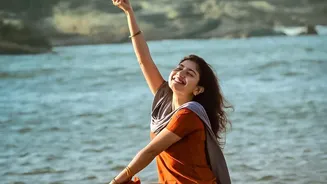
This shift isn’t happening in a vacuum. It is a direct response to the pressures of modern urban life. With constant digital connectivity, demanding work cultures, and the pressure to be always 'on', many are finding themselves mentally and physically exhausted. Recent surveys highlight the scale of the issue, with one 2024 report finding that 70% of Indian Gen Zs reported persistent burnout. As a result, travel is being reimagined not as another performance, but as a genuine tool for recovery. The goal is no longer to prove you're 'living your best life' on social media, but to genuinely recharge. This has given rise to concepts like 'calmcations' and 'nap'cations'—getaways designed specifically for rest and catching up on sleep.
What 'Doing Nothing' Looks Like
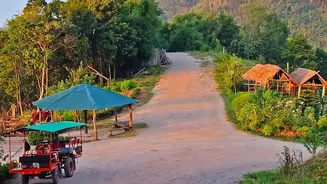
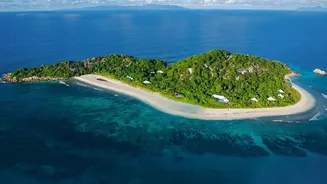
So, what does a restful holiday actually entail? It’s not about sitting in a hotel room staring at the ceiling. It’s about intentional inactivity. It could mean spending an entire afternoon reading by a pool, taking long, aimless walks through a new neighbourhood, or learning to cook a local dish. It means choosing a homestay in the Tirthan Valley or a tea estate in Jorhat for a week, rather than a frantic weekend city break. According to a Booking.com report, 91% of Indian travellers are now planning trips around nature scenery, not just photo opportunities. The new status symbol isn't a packed schedule, but a mindfully empty one.
The Rise of Wellness and Workations
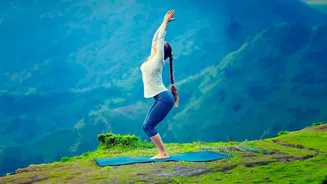
Driving this trend is the booming wellness tourism market in India, which is projected to surpass USD 130 billion by 2035. Travellers are actively seeking out yoga retreats in Rishikesh, Ayurvedic healing in Kerala, and digital detoxes to combat stress. These are not quick spa breaks but longer, immersive programmes focused on holistic health. The rise of remote work has also played a crucial role. So-called 'workations' allow professionals to blend their job with leisure, extending their stays from a few days to several weeks. A recent survey found that 45% of all Indian travellers were planning a workation in 2026, a clear sign that the lines between work, life, and travel are blurring in favour of a slower, more integrated lifestyle.
How the Industry Is Adapting
The travel industry has been quick to notice this fundamental shift. Hotels and resorts are now marketing silence as the ultimate luxury, creating packages centred around rest and rejuvenation. Le Méridien New Delhi, for instance, launched 'The Great Delhi Do-Nothing', a staycation concept encouraging guests to 'unlock their schedule' and simply relax. Tour operators are offering fewer multi-destination sprints and more single-location immersive experiences. From promoting homestays to creating packages with anytime breakfasts and no fixed checkout times, the focus is increasingly on providing flexibility and unstructured time, proving that sometimes the best travel experience is one where very little happens at all.