






The End of the Hard Sell
Audiences have grown tired of transactional influencer posts that feel like digital billboards. There's a rising skepticism toward overly polished and scripted promotions that can feel inauthentic. This has led to what some call 'influencer fatigue,'
where consumers disengage from creators who seem to promote too many products without a genuine connection. In response, the smartest brands and creators are pivoting. Instead of a direct sales pitch, they are embracing a softer, more narrative-driven approach. The goal is no longer just to show a product, but to embed it within a relatable, human story. This shift marks a move from reaching audiences to resonating with them.
From Product Placement to Problem Solving
The new wave of creator marketing is about context. It’s not enough to hold up a skin cream; it's about showing how it fits into a nightly self-care routine. It’s not just unboxing a new gadget; it’s about using it over weeks to solve a real-life problem. This approach reframes the product as a solution or an enhancement to a lifestyle the audience already aspires to. Lifestyle influencers excel at this, seamlessly integrating products into their daily routines, making the endorsement feel like a natural recommendation from a trusted friend rather than a paid advertisement. This method is powerful because it showcases the product's value in a real-world setting, moving beyond features to focus on benefits.
Authenticity Is the New Currency
At the heart of this trend is a single, powerful concept: trust. Today's consumers, particularly younger demographics, are adept at spotting insincerity. Studies show that authenticity is a key factor for consumers when deciding which brands to support. When a creator’s content is perceived as genuine, it fosters a stronger connection with their audience, leading to higher engagement and loyalty. This is why many brands are now prioritizing long-term partnerships with creators whose values and lifestyle genuinely align with their own. These ongoing collaborations feel more credible than one-off posts and allow the product to become a consistent, trusted part of the creator’s world.
Masters of the Craft
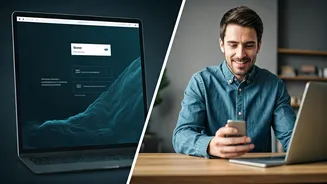
Consider a home-cooking creator who uses the same brand of stand mixer in every baking video without always mentioning the brand name. The mixer becomes part of their kitchen's authentic backdrop. When they finally do mention it, the endorsement carries immense weight because the audience has already seen it in action for months. Similarly, a tech creator who documents their workflow using a specific laptop and software suite gives those products an implied endorsement through consistent, practical use. This subtle integration is far more persuasive than a single, glowing review because it is backed by demonstrated utility over time.
What This Means for Brands
For brands, this new landscape requires a significant shift in mindset. It means giving up a degree of creative control and trusting creators to integrate products in a way that feels organic to their unique voice and style. The focus is shifting from mega-influencers with massive reach to micro- and nano-creators who command highly engaged niche communities. These smaller creators often have a deeper, more personal connection with their followers, making their recommendations more impactful. Brands are no longer just buying media space; they are investing in collaborative partnerships that co-create content and build lasting credibility.