




The Silk Road Beckons a New Generation
Samarkand is a name that whispers of ancient history, of merchants trading spices and silk, and of conquerors like Tamerlane who shaped empires. For centuries, it was a crossroads of the world, and now, it's re-emerging as a top destination for young,
curious travellers seeking authenticity. Gen Z backpackers, known for wanting meaningful experiences over generic holidays, are finding Samarkand to be the perfect blend of adventure and accessibility. The city offers a chance to step into a different era, wandering through dusty streets graced by figures like Marco Polo, but with the comforts of modern travel. Unlike over-touristed hotspots, Samarkand provides a sense of discovery, where every tiled minaret and bustling bazaar feels like a genuine find.
Your Wallet Will Thank You
One of the biggest draws for a generation that prioritises savvy spending is Samarkand's affordability. A trip here doesn't require breaking the bank. In fact, Uzbekistan is often cited as a dream destination for budget backpackers. A daily budget can be as low as ₹2,000-₹2,500, covering a stay in a clean hostel, delicious local food, and entrance fees to most major sites. Street food and meals at local eateries often cost just a few hundred rupees, allowing you to feast on staples like plov (a hearty rice pilaf) without a second thought. Even the transport is cheap, with an efficient high-speed train, the Afrosiyob, connecting major cities like Tashkent and Samarkand for as little as ₹700-₹1,200.
A Feast for the Senses
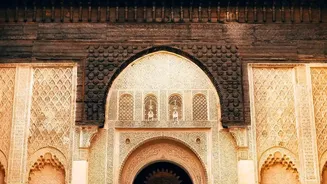
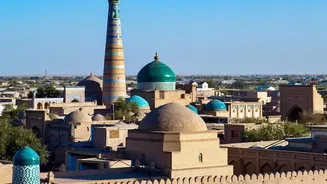
The heart of Samarkand's appeal is its jaw-dropping architecture. The Registan, a public square flanked by three grand, mosaic-covered madrasas (Islamic schools), is the city's crown jewel. Its sheer scale and intricate blue tilework are unforgettable, especially during the evening light show that brings the history to life. Beyond the Registan, travellers can explore the Shah-i-Zinda, a stunning necropolis where mausoleums line a narrow street like a city of the dead, each one a masterpiece of Timurid art. For a dose of local life, the Siyob Bazaar, located next to the majestic Bibi-Khanym Mosque, offers a chaotic and colourful immersion into the daily commerce of the city, with vendors selling everything from fresh bread to handmade crafts.
The E-Visa Advantage for Indians
For Indian travellers, the bureaucracy of getting a visa can often be a major hurdle. Uzbekistan has largely removed this obstacle, making it an incredibly attractive option. While some sources mention visa-free entry, the most reliable and straightforward method for Indian citizens is the e-visa system. This online process eliminates the need for embassy visits and physical paperwork. The tourist e-visa is typically processed in a few days, costs around ₹2,500 for a single entry, and allows for a stay of up to 30 days. This ease of access is a significant factor in why so many younger travellers are choosing Uzbekistan for spontaneous, hassle-free getaways.
Beyond the Monuments
While the history is the main draw, Samarkand is not a city stuck in the past. It’s a living, breathing place where it's easy to connect with contemporary Uzbek culture. Uzbekistan is a majority Islamic country, but it is known for being relatively relaxed and welcoming to tourists. English isn't universally spoken, but locals are famously friendly, and a younger generation is often eager to practice their language skills with visitors. Travellers can explore modern cafes, take a day trip to the mountain town of Urgut for its authentic market, or learn to cook plov in a local home. Staying in locally-owned guesthouses is a great way to support the community directly and get a more authentic experience of the renowned Uzbek hospitality.