




Understanding Your Daily Goal
Before you can plan your intake, you need a target. The Indian Council of Medical Research (ICMR) recommends that adults aim for around 1,000 mg of calcium per day. Pregnant and breastfeeding women need more, about 1,200 mg, while children and teenagers
have varying needs depending on their age. A single glass of milk contains roughly 300 mg of calcium. While that’s a significant contribution, it's less than a third of your daily requirement. Thinking you're covered after your morning glass can lead to a shortfall by the end of the day, a deficit that your body may cover by borrowing calcium from your bones.
A Blueprint for All-Day Calcium
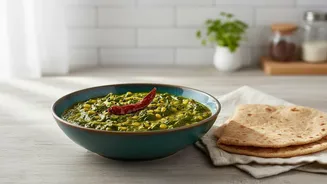
The key is to spread your calcium intake across all your meals. This improves absorption and ensures you consistently hit your target. Think of it as building a calcium fund throughout the day. For breakfast, you could have a bowl of ragi porridge, which is a powerhouse of calcium, or dahi with some nuts. For lunch, a serving of paneer sabzi or a curry made with chickpeas (chana) or kidney beans (rajma) can add a substantial amount. Dinner could include a dal made with drumstick leaves (moringa) or a side of leafy greens like amaranth (chaulai) or fenugreek (methi). Snacking on a handful of almonds or some roasted lotus seeds (makhana) can also top up your levels between meals. This approach turns calcium intake from a single event into a steady, day-long habit.
Beyond the Dairy Aisle
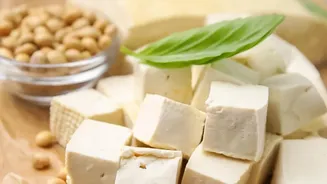
For those who are lactose intolerant or follow a plant-based diet, there is a wealth of non-dairy calcium sources in the Indian kitchen. Ragi (finger millet) is a standout, containing significantly more calcium per 100g than milk. Sesame seeds (til) are another potent source; just one tablespoon can provide nearly 100 mg of calcium. Incorporating them into laddoos, chutneys, or as a garnish on sabzis is an easy win. Dark leafy greens are also excellent choices, but not all are created equal. Greens like amaranth and moringa are great, while spinach, though healthy, contains oxalates that can hinder calcium absorption. Soy products like tofu (especially calcium-set) and fortified soy milk are other reliable options.
The Absorption Equation: Your Calcium Helpers
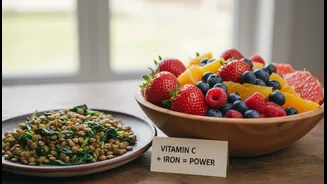
Simply eating calcium-rich foods is only half the battle; your body needs to be able to absorb it effectively. The most crucial partner for calcium is Vitamin D. Without enough Vitamin D, most of the calcium you consume goes to waste. The best and most available source is sunlight—just 20 minutes of exposure on your arms and face a few times a week can make a huge difference. Other nutrients like magnesium and phosphorus, found in nuts, seeds, and whole grains, also play a supportive role in bone health. Furthermore, traditional preparation methods like fermenting (for idli or dosa) and sprouting (for legumes) can reduce compounds like phytic acid, which inhibit mineral absorption, making the calcium more available to your body.
Watch Out for Calcium Robbers
Just as some things help absorption, others can hinder it. A diet excessively high in sodium can cause your body to excrete more calcium through urine, depleting your stores. This is a particular concern with diets high in processed and packaged foods. Similarly, high consumption of caffeine and alcohol can interfere with how your body manages calcium. While you don't need to eliminate these entirely, moderation is key to protecting your bone health. It’s about creating a balanced dietary environment where the calcium you consume has the best possible chance of being put to good use.