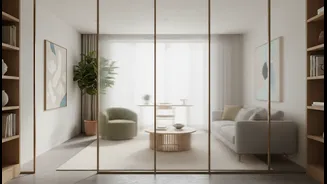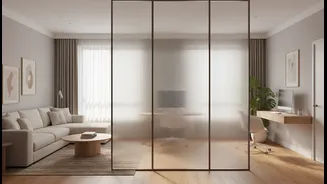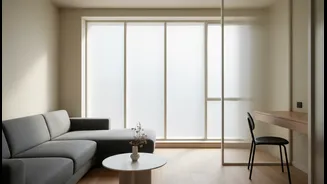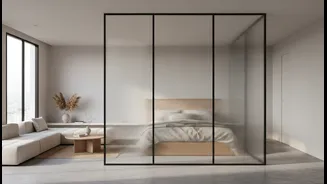




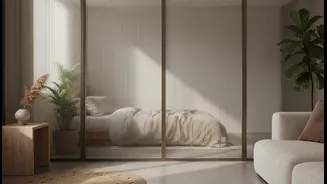


What is Fluted Glass?
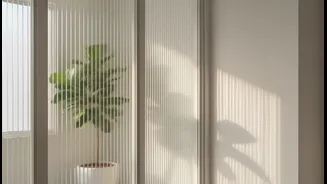
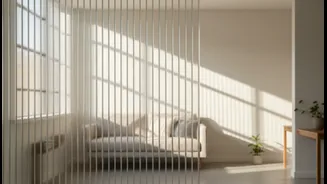
Fluted glass, also known as reeded or ribbed glass, is a type of decorative glass featuring distinct vertical grooves. These parallel channels are pressed into the surface, creating a textured finish that beautifully distorts the view through it. Unlike
flat, transparent glass, the fluted surface scatters light, creating a soft, diffused glow. This clever design allows it to obscure shapes and provide a sense of separation while still permitting light to flow freely between spaces—a perfect combination of form and function.
A Timeless Trend with Modern Appeal
While it feels incredibly fresh and modern, fluted glass has a rich history. Its origins trace back to the early 20th century, becoming a hallmark of the Art Deco movement. Today's resurgence is driven by contemporary needs. As urban living spaces become more compact, the demand for multifunctional materials has soared. Fluted glass answers the call by solving the dual problem of needing both openness and privacy. It’s a key element in trends like 'warm minimalism' and Japandi design, where texture and light play crucial roles in creating serene, uncluttered environments.
The Magic of Light and Privacy
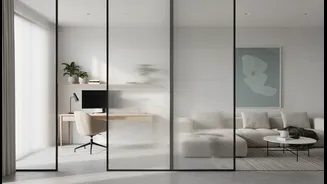
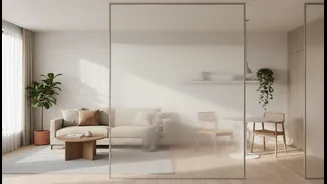
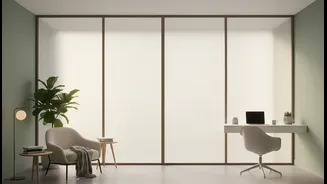
The primary appeal of fluted glass in smaller homes is its unique ability to manage light and visibility. In open-plan layouts, it can create distinct zones—like separating a home office nook from the living room—without building a solid wall that would block light and make the area feel cramped. The vertical grooves blur what’s behind the glass, hiding clutter inside a cabinet or providing modesty for a bathroom enclosure. This effect makes spaces feel larger, brighter, and more organized. The glass essentially works as a soft filter, reducing glare and casting gentle, shifting patterns as the sun moves throughout the day.
Clever Ways to Use Fluted Glass
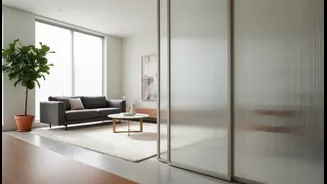
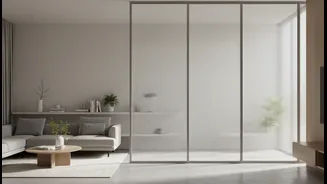
The versatility of fluted glass allows it to be used in numerous creative applications. In kitchens, it’s a popular choice for upper cabinet doors, hinting at the contents without demanding perfect organisation. For bathrooms, it’s an elegant solution for shower screens and partitions, offering privacy while maintaining an airy, spa-like feel. As an internal room divider or a panel in a sliding door, it can separate spaces stylishly. It can even be used for internal windows between rooms, sharing light between a hallway and an adjoining room, for instance. Designers are also incorporating it into furniture, lighting fixtures, and decorative panels to add a touch of sophisticated texture.
Pairing and Styling
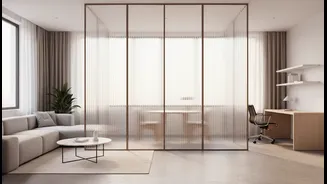
Fluted glass is a design chameleon, pairing beautifully with a variety of materials. Set in a black or dark metal frame, it takes on an industrial-chic look that complements modern and loft-style interiors. When combined with wood, it creates a warmer, more organic feel suitable for mid-century or Scandinavian aesthetics. For a touch of glamour, brass or bronze frames can elevate the glass, giving it a luxurious, Art Deco-inspired finish. The key is that the glass itself provides the texture, while the framing helps to integrate it into your home's existing design language. This combination of materials adds depth and a curated feel to any room.