






Beyond Simple Labels
In our culture, it is common to place simple labels on complex problems. A young person struggling with their body image might be told to simply ‘lose weight,’ while someone experiencing anxiety might be told it’s ‘all in their head.’ These labels are
not just unhelpful; they can be actively harmful. Research shows that weight stigma and labeling are linked to depression, anxiety, and disordered eating. Simply being labeled as 'too fat' in childhood can increase the likelihood of obesity in young adulthood, regardless of the person's actual weight at the time. This happens because stigma often leads to unhealthy coping mechanisms, such as avoiding exercise for fear of being judged or engaging in dangerous fad diets. It reinforces a cycle of shame and isolation, pushing young people away from genuine health and well-being.
The Deep Mind-Body Connection
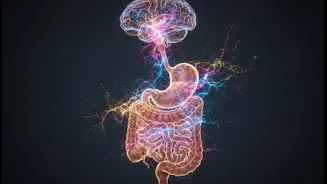
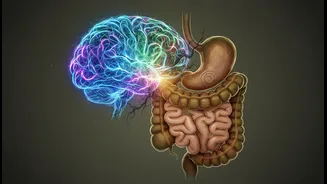
The relationship between what we eat, how we feel about our bodies, and our mental state is not a coincidence—it's biological and psychological. Eating disorders are serious mental health conditions, and they rarely exist in isolation. A vast majority of individuals with eating disorders also face co-occurring conditions like anxiety, depression, or trauma. Malnutrition can impair cognitive function and emotional regulation, while the cycles of binging and restricting can create intense feelings of shame and anxiety. This isn't a one-way street; underlying mental health struggles often contribute to the development of disordered eating as a coping mechanism. Focusing on just one aspect, like weight, without addressing the underlying emotional distress is like trying to fix a leaky roof by only mopping the floor.
What Integrated Support Looks Like
Integrated support moves beyond treating symptoms in isolation and instead treats the whole person. It means a team of professionals—such as doctors, therapists, and registered dietitians—collaborate to provide coordinated care. In practice, this means that a young adult’s treatment plan would simultaneously address their nutritional needs, medical stability, and the psychological roots of their struggles. Therapy sessions would help build healthy coping strategies for anxiety or depression, while nutritional rehabilitation would focus on restoring healthy eating patterns and challenging food fears. The goal is not just to manage weight or stop a specific behaviour, but to heal the relationship with food and self, creating a foundation for lasting recovery.
Breaking the Cycle of Stigma
A crucial part of an integrated approach is addressing the stigma that keeps so many young people from seeking help. The constant pressure from society and social media to achieve a certain body type, coupled with a lack of understanding about mental health, creates a perfect storm. An integrated model works to dismantle this stigma. It provides a safe space where a young person is seen as a whole individual, not just a number on a scale or a diagnosis. By including family and a patient's support network in the treatment process, it fosters understanding and communication, which is critical for recovery. This approach helps alleviate the shame associated with eating disorders and mental health issues, making it easier for individuals to stick with treatment and prevent relapse. It changes the conversation from one of blame and failure to one of compassion, support, and empowerment.