







Paradise and the Plastic Problem
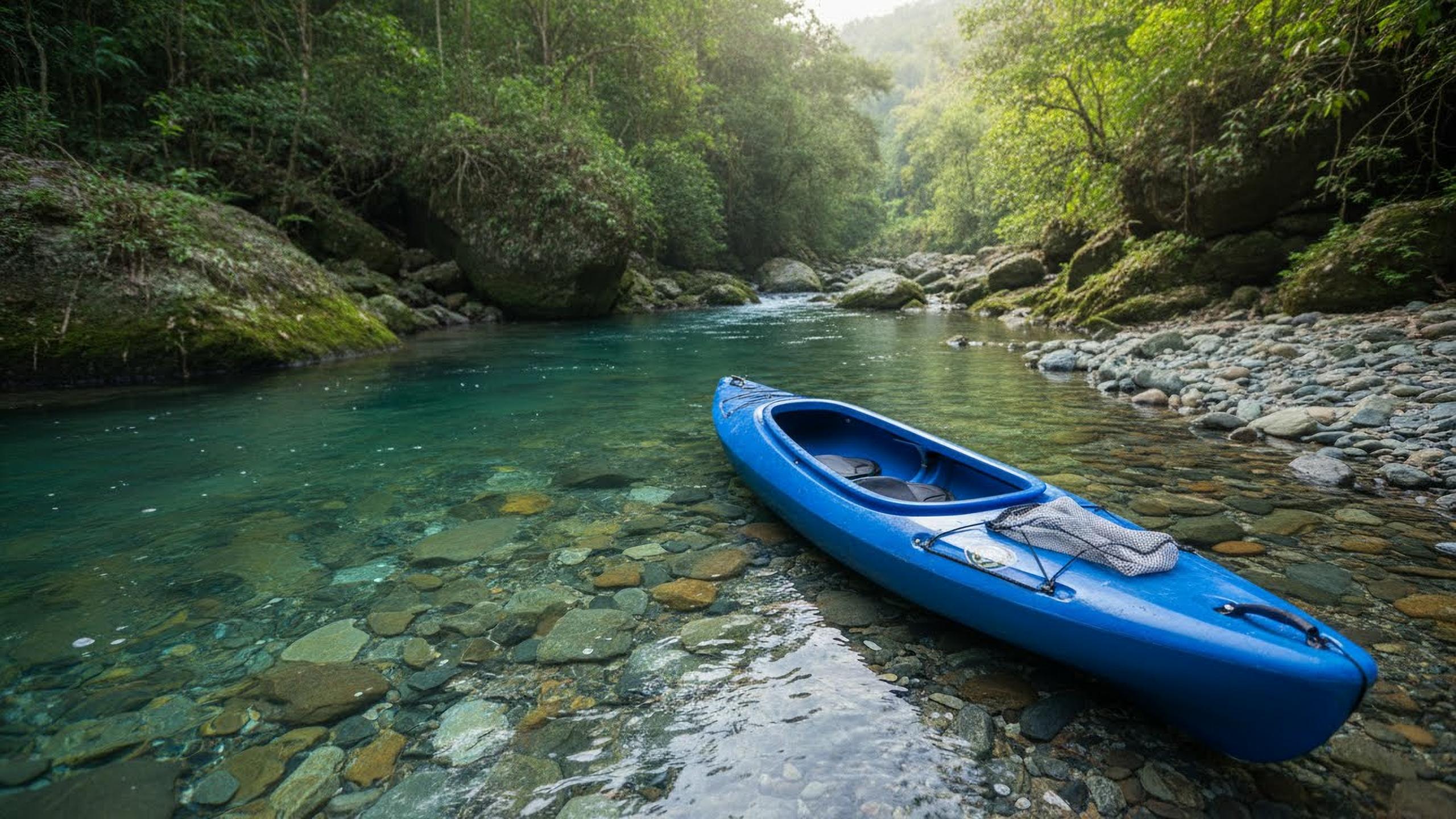
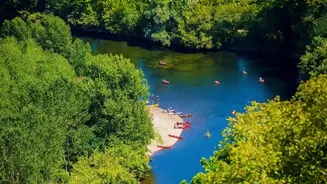
Meghalaya, the 'abode of clouds', is home to some of India's most stunning natural landscapes. Rivers like the Umngot in Dawki became world-famous for their transparent, emerald waters, so clear that boats appear to float in mid-air. This pristine beauty
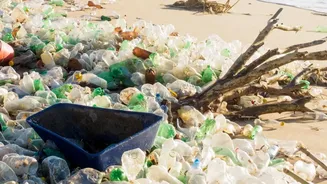
has attracted tourists from across the globe. However, this rise in tourism, coupled with local waste disposal challenges, has brought a creeping menace: plastic pollution. Once-unspoiled riverbanks and even the riverbeds themselves began to see an accumulation of plastic bottles, wrappers, and bags, threatening the delicate ecosystem and the very beauty that defines the region. This plastic not only chokes the waterways but also endangers aquatic life and mars the visual splendour of these natural wonders.
A New Wave of Tourism
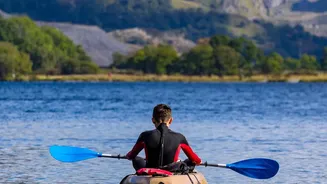
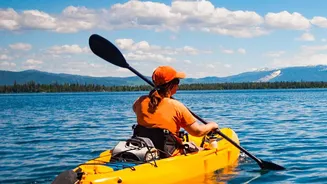
Instead of just lamenting the problem, a new solution began to take shape, merging adventure with activism. Local entrepreneurs and community leaders, in partnership with tour operators, launched 'eco-kayaking' expeditions. The concept is simple yet powerful: tourists who come to enjoy the thrill of kayaking are also invited to participate in cleaning the rivers. Tour groups, like those organized by Pioneer Adventure Tour, provide kayaks and safety gear, but they also supply bags and tools for collecting floating plastic waste. This transforms a recreational activity into a mission-driven experience, allowing visitors to give back to the places they have come to admire.
How the Partnership Works
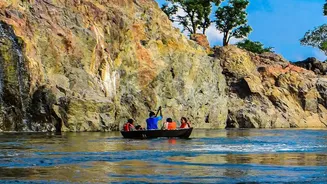
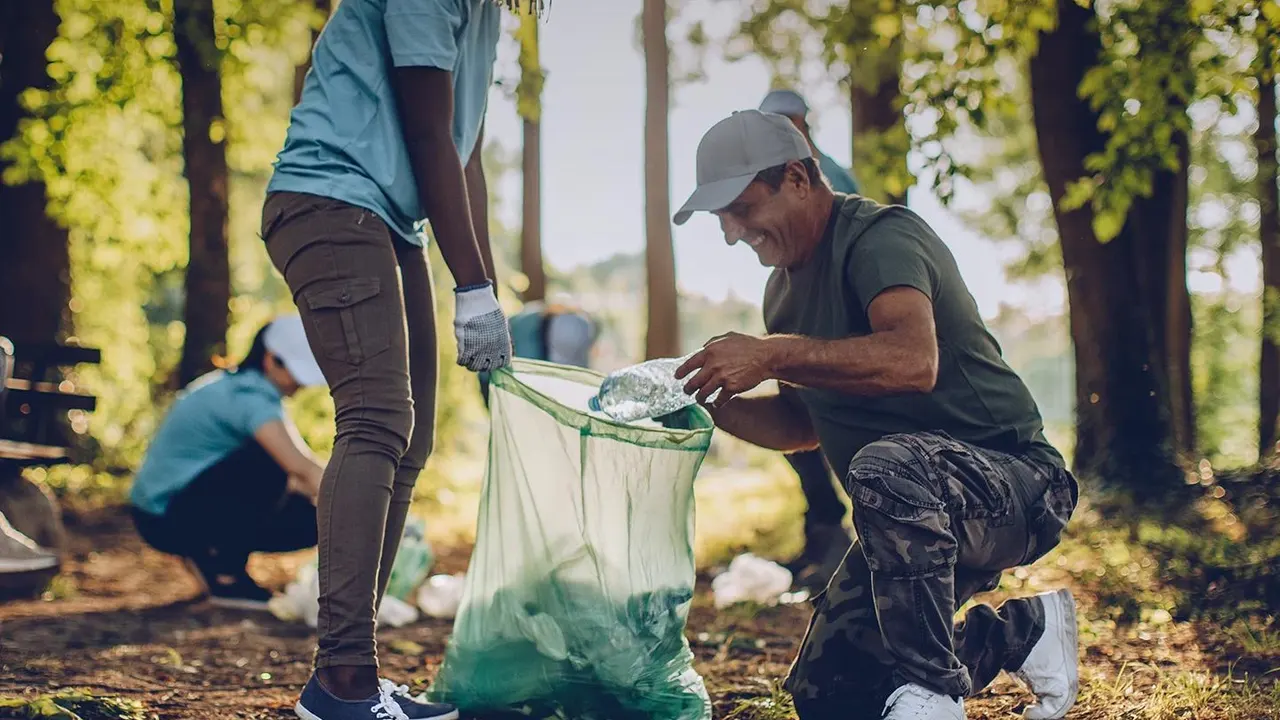
The success of this initiative lies in the seamless collaboration between visitors and villagers. Tourists, guided by local experts, paddle along the rivers, plucking plastic waste from the water and hard-to-reach banks. The collected waste is then brought ashore, where the local community takes over. Villagers play a crucial role in sorting and managing the collected garbage. This partnership ensures that the waste doesn't simply get moved from the river to a pile on the land. Community-led groups help segregate the plastics for recycling or proper disposal, a critical step in a region with limited waste management infrastructure. This creates a closed-loop system where the tourist's effort is amplified by the community’s organized action, preventing the plastic from re-entering the environment.
More Than Just a Cleanup
The benefits of this partnership extend far beyond cleaner rivers. For the local communities, it creates a new, sustainable source of income. Many villagers are employed as guides, boatmen, and waste management coordinators. This economic incentive fosters a powerful sense of ownership and pride in maintaining the region's environmental health. For tourists, it offers a more profound and memorable travel experience. They leave not just with photos, but with the satisfaction of having made a tangible, positive impact. This model also serves as a powerful educational tool, raising awareness about plastic pollution and responsible tourism among both locals and visitors, fostering a 'leave no trace' culture.
The Path Forward
While eco-kayaking is a celebrated success, the fight against plastic pollution in Meghalaya continues on multiple fronts. The state government has also launched initiatives like the 'Green Deposit' scheme, where tourists pay a refundable deposit if carrying plastic items into eco-sensitive zones, which is returned only when they show they have brought the waste back out. In places like Umiam Lake, AI-powered robotic boats are being tested to collect garbage on a larger scale. The challenge is immense, as pollution from sources like construction runoff still threatens rivers like the Umngot. However, the kayaking partnership demonstrates the immense power of grassroots, community-driven solutions. The hope is that this model can be scaled up and replicated, turning the tide against plastic pollution one paddle stroke at a time.