


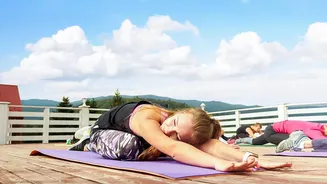

The Double-Edged Sword of Teen Stress
Today's teenagers navigate a landscape of intense pressure. High-stakes exams, competitive college admissions, and the always-on nature of social media create a constant state of alert. This mental strain doesn't just stay in the mind; it manifests physically.
Hours spent hunched over textbooks or screens lead to tight shoulders, neck pain, and tension headaches. This combination of mental and physical stress can impact everything from sleep quality to academic performance and overall well-being. Finding a sustainable way to manage this pressure is more crucial than ever.
Yoga Beyond the Stereotype
When some people hear 'yoga', they might picture slow, silent, and rigid stretching. But that's only one small part of a vast and varied practice. For teenagers, the key is to find a style that's engaging and energetic. Fun yoga routines shift the focus from achieving perfect, static poses to exploring movement. Think dynamic flows, syncing breath to a good beat, partner poses that build trust and communication, and a general atmosphere of playfulness over perfection. It’s about building body awareness and finding joy in what your body can do, which can be a powerful antidote to self-consciousness.
Unlocking Physical Tension
Much of the stress students carry lodges itself in the body as physical tension. The 'student posture'—rounded shoulders, forward-craned neck—is a primary culprit. Yoga directly addresses this by integrating movements that lengthen the spine, open the chest, and release tight hips. Poses like Cat-Cow (Marjaryasana-Bitilasana) gently mobilize the spine, while Downward-Facing Dog (Adho Mukha Svanasana) creates space through the entire back of the body, from the hands to the heels. By coordinating these movements with breath, yoga helps flush out muscular tension, improve circulation, and counteract the physical toll of a sedentary study life.
Calming the Overwhelmed Academic Mind
Perhaps the most profound benefit of yoga for teens is its effect on the nervous system. The practice teaches specific breathing techniques, known as pranayama, which are scientifically shown to shift the body out of its 'fight-or-flight' stress response. Simple methods like extending the exhale or practicing 'Box Breathing' (inhaling, holding, exhaling, and holding for equal counts) can quickly calm a racing heart and anxious mind. This has a direct impact on academic life. Studies show that regular yoga and mindfulness practices can improve attention, concentration, and memory, providing teens with the tools to manage exam anxiety and stay focused.
Building Resilience and Self-Esteem
Yoga is a non-competitive practice. The focus is internal—on personal progress, not comparison. This creates a safe space for teenagers to build confidence and cultivate a positive body image. Learning to hold a challenging pose or finally achieving a balance they've been working on provides a tangible sense of accomplishment. This process teaches resilience—the ability to stay with a challenge, breathe through discomfort, and try again. These skills, learned on the mat, are directly transferable to navigating academic setbacks and the social complexities of adolescent life, boosting self-esteem and emotional regulation.
How to Get Started
Finding the right entry point is key to making yoga a lasting habit. Many teens start with online videos from accessible instructors who specialize in practices for young people. Look for classes labeled 'flow', 'vinyasa', or 'dynamic', which tend to be more movement-oriented. Local studios may offer teen-specific classes, creating a sense of community. The goal isn't to commit to an hour-long session every day. Even 15-20 minutes of movement and mindful breathing a few times a week can make a significant difference in managing stress levels and improving overall well-being.