





Understanding the Digital Shift
Across the globe, countries are replacing traditional visa stickers and paper-based forms with electronic visas (eVisas), Electronic Travel Authorisations (ETAs), and digital arrival cards. This shift aims to streamline immigration, enhance security,
and create a more seamless travel experience. For travellers, this means that most of the application process moves online, from submitting documents to receiving a digital travel permit. However, it also means that having the correct digital permission before you even head to the airport is now mandatory. Airlines are increasingly required to verify your digital visa or ETA, and they can legally deny boarding if your documents are not in order.
The Big One: Schengen Area Goes Digital
A major change impacting travel to Europe is the Schengen Area's transition to a fully digital visa system. This process is expected to be streamlined for Indian travellers by 2026. The iconic visa sticker in your passport is being replaced by a secure digital barcode. The application process itself will move to a centralized online platform where you can upload documents, pay fees, and track your status. A new Entry/Exit System (EES) is also being rolled out, replacing manual passport stamping with digital biometric registration (fingerprints and facial image) at the border. While first-time applicants will still need to provide biometrics in person, this data will be valid for several years, simplifying future travel. This change affects the application process, not eligibility, so all usual documentation is still required.
UK's New System: eVisas and ETAs
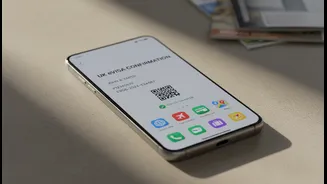
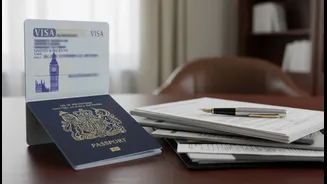
As of early 2026, the UK has also moved to a fully digital entry system. For Indian travellers, this means eVisas are mandatory. While the application process still requires biometric registration at a visa centre, you no longer need to leave your passport behind during processing. Your approved visa is a digital record linked to your passport, not a physical sticker. It's crucial that the passport you travel with is the same one linked to your eVisa. Separately, the UK has introduced an Electronic Travel Authorisation (ETA) system. However, this is NOT for Indian citizens. The ETA is for nationals of countries that were previously visa-exempt for short visits, like the USA and many European nations. Indian passport holders must still apply for a standard UK visitor visa through the established channels.
Spotlight on Southeast Asia
Popular destinations in Southeast Asia are also updating their rules. Malaysia has extended its visa-free entry for Indian tourists for stays of up to 30 days until the end of 2026. However, all travellers must complete the Malaysia Digital Arrival Card (MDAC) online within three days of arrival. This is a mandatory and free registration. In Thailand, the situation has been more fluid. Recent reports in May and July 2026 indicated that a previous 60-day visa-free scheme was being scrapped and that India would be moved back to the Visa on Arrival (VoA) category, which allows for a shorter 15-day stay. However, as of early July 2026, other sources clarified that the 60-day visa-free exemption remains active until an official change is published in the Royal Gazette. Given the uncertainty, travellers should always check the official Royal Thai Embassy website before booking.
Common Mistakes to Avoid
The shift to digital applications has introduced new potential pitfalls. Simple human error is a common reason for eVisa rejections, leading to delays and cancelled trips. Key mistakes include uploading blurry or poor-quality scans of your passport and photos, using a name format that doesn't exactly match your passport (no nicknames or abbreviations), and getting date formats wrong (DD/MM/YYYY vs. MM/DD/YYYY). Another critical error is applying too late or providing vague supporting documents, such as incomplete hotel or flight details. Finally, always use the official government portal for applications; beware of third-party websites that look similar but may charge extra fees or be fraudulent.