



Understanding the Low-Impact Advantage
Low-impact cardio refers to any aerobic exercise that raises your heart rate while minimizing stress on your joints. Unlike high-impact activities where both feet may leave the ground simultaneously (like jumping or running), these workouts involve keeping
at least one foot on the ground or being supported by equipment or water. This approach significantly reduces the jarring force on your ankles, knees, and hips, making it an ideal and sustainable choice for people with arthritis, previous injuries, or general joint sensitivity. The result is a workout that strengthens your heart and lungs, improves circulation, and helps manage weight, all while protecting your body from strain and reducing the risk of injury.
Swimming: The Ultimate Joint-Friendly Workout
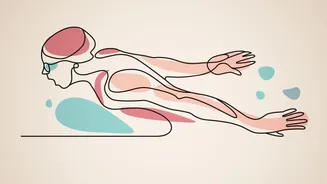
Often hailed as one of the best forms of exercise, swimming is a powerhouse for cardiovascular health. The buoyancy of water supports your body, effectively eliminating impact on your joints and making it an excellent option for individuals with mobility issues or pain. But don't let the gentle feel fool you; the water provides constant resistance, forcing your heart and lungs to work efficiently to pump oxygenated blood throughout your body. Regular swimming has been shown to lower blood pressure, improve cholesterol levels, and reduce the overall risk of heart disease and stroke. For beginners, starting in a class or with a friend can help build confidence and proper technique.
Cycling: Power Your Heart, Protect Your Knees
Whether you're on a stationary bike at the gym or exploring paths outdoors, cycling is a fantastic low-impact cardio option. It's an aerobic activity that strengthens your heart muscle, improves blood flow, and can lower your risk of cardiovascular disease by up to 50%. Because it's a non-weight-bearing exercise, cycling is gentle on your knees and hips, allowing you to build endurance without the associated pain of high-impact sports. To get the most benefit, ensure your bike is set up correctly. Proper seat height and handlebar position are crucial for preventing strain on your back and knees, allowing you to focus on building a consistent and heart-healthy routine.
The Elliptical: A Gym Favourite for a Reason
The elliptical machine is specifically designed to provide a low-impact yet highly effective cardio workout. Its smooth, gliding motion simulates running without the repetitive, jarring impact of your feet hitting the pavement. This makes it an excellent tool for improving cardiovascular health by elevating your heart rate and strengthening your heart muscle. Many machines also feature moving handlebars, which allow you to engage your upper body for a full-body workout that tones your arms, shoulders, and core while your legs do the work. With adjustable resistance and incline, you can easily customize the intensity to match your fitness level, making it a versatile choice for beginners and seasoned athletes alike.
Brisk Walking: Your Most Accessible Option
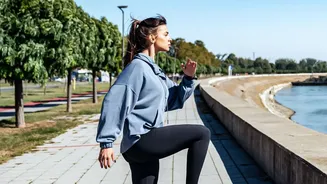
Never underestimate the power of a good walk. As one of the most accessible low-impact exercises, brisk walking is a simple yet effective way to improve heart health. The key is to move at a pace that elevates your heart rate and makes you breathe a bit harder. Walking improves circulation, helps manage blood pressure, and can be done almost anywhere without special equipment. To turn a simple stroll into a more challenging cardio session, focus on maintaining a consistent, brisk pace, incorporate hills or inclines on a treadmill, or increase the duration of your walk.
Mastering Your Routine for Lasting Results
Mastering low-impact cardio isn't about pushing through pain; it's about consistency and smart training. The greatest benefit of these workouts is their sustainability, which allows you to exercise regularly without injury, leading to better long-term heart health. Always start with a 5-minute warm-up to prepare your muscles and joints. Focus on proper form, whether that's maintaining good posture while walking or ensuring your knees are aligned correctly on a bike. Most importantly, listen to your body. If you feel sharp pain, stop and rest. The goal is to finish each session feeling energized and capable, ready to come back and do it again.