








Your ITR Filing Game Plan
With the income tax return (ITR) filing season for the Assessment Year 2026-27 underway, getting organised is the first step to a stress-free experience. For most salaried individuals filing ITR-1 or ITR-2, the deadline is July 31, 2026. However, for those
with business income filing ITR-3 or ITR-4 (non-audit cases), the deadline has been extended to August 31, 2026. Before you begin, gather all essential documents. This includes your Form 16 from your employer, bank account statements to verify interest income, and proofs for any deductions you plan to claim, such as receipts for insurance premiums or investments. One of the most critical steps is to download and cross-verify your Form 26AS and Annual Information Statement (AIS) from the e-filing portal. These documents provide a consolidated view of taxes paid and financial transactions linked to your PAN. Mismatches between your declared income and the data in your AIS can trigger automated notices, so reconciling them early is crucial. Ensure you select the correct ITR form based on your income sources to avoid your return being marked as defective.
Aadhaar and PAN: The Power Duo
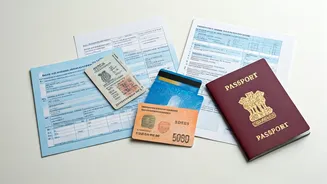
The linking of your Permanent Account Number (PAN) with your Aadhaar card is mandatory and fundamental to nearly all financial activities in India, including filing your ITR. An unlinked PAN is considered inoperative, which can prevent you from filing returns, block tax refunds, and lead to higher TDS rates on your income. You can quickly check your PAN-Aadhaar link status on the Income Tax e-filing portal without even logging in. If your PAN is not linked, you can still do so by paying a fee. The process typically involves paying the requisite fee through the e-Pay Tax service and then submitting the linking request on the portal. It's also a good time to ensure all your details on your Aadhaar card, especially your mobile number and address, are up to date. Your mobile number linked to Aadhaar is essential for OTP-based e-verification of your ITR, which must be completed within 30 days of filing. An updated address ensures any physical correspondence reaches you without issues.
Taming Your Plastic Cards
Your debit and credit cards are powerful tools, but they require careful management to prevent debt and fraud. A key habit is to review your monthly credit card statements thoroughly for any unrecognised charges. To avoid falling into a debt trap, always aim to pay your credit card bill in full before the due date. Paying only the minimum amount due can lead to a spiral of high-interest charges. Another smart practice is to maintain a low credit utilisation ratio—ideally below 30% of your total credit limit. High utilisation can negatively impact your credit score, making it harder to get loans in the future. For added security, use the features offered by your bank to set transaction limits on your cards for online shopping, contactless payments, and international use. Setting up payment reminders or auto-debit for your bills can help you avoid late fees and a dip in your credit score.
Bringing It All Together Digitally
Instead of scrambling for physical documents, consider using DigiLocker, the government's secure digital document wallet. DigiLocker is a flagship initiative under the Digital India programme that allows you to store and access authentic, digitally verified documents like your Aadhaar card, PAN card, driving licence, and vehicle registration certificate. These digital documents are legally recognised at par with their physical counterparts under the IT Act, 2000. You can fetch documents directly from government issuers like the Income Tax Department and UIDAI into your DigiLocker account. This not only creates a secure, centralised repository but also makes it incredibly easy to share verified documents with service providers who require KYC, all with your explicit consent. Having digital copies of your key documents readily accessible on your phone simplifies everything from ITR filing to applying for a new service, making it an essential tool for modern financial management.