




Moving Beyond a Single Light Source
For decades, many Indian homes relied on a single, powerful ceiling light—often a tube light or a central fixture—to illuminate the living room. While functional, this approach often creates a flat, one-dimensional feel with harsh shadows. It offers no
flexibility; the same intense glare serves a festive gathering and a quiet movie night alike. Recognizing that a living room's function changes throughout the day, homeowners and designers are now embracing a more nuanced approach. The goal is to create a space that can adapt its mood and utility at the flick of a switch, which a single overhead light simply cannot do.
The Three Essential Layers of Light
Layered lighting involves combining three distinct types of light to build a rich, versatile, and inviting atmosphere. Think of it like creating an outfit: you have a base layer, a functional piece, and an accessory. The first layer is ambient light, which provides general, overall illumination for the room. The second is task lighting, which is focused light for specific activities like reading or working. The third is accent lighting, which adds drama and depth by highlighting artwork, textures, or architectural features. When used together, these three layers transform a room from being merely lit to being well-designed.
Ambient Light: The Foundation
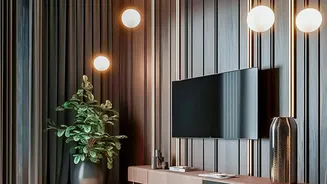
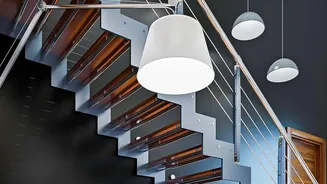
Ambient light is the base that makes a room safe and easy to navigate. It provides a soft, general glow that fills the space. In many contemporary Indian homes with false ceilings, this is often achieved through recessed downlights or cove lighting, where hidden LED strips wash the ceiling with a gentle, indirect light. For homes without a false ceiling, a stylish chandelier, a set of pendant lights, or even modern flush-mount fixtures can serve as the primary source of ambient light. The key is to provide a uniform level of brightness that sets a comfortable, welcoming tone for the entire room. Using dimmer switches for this layer is crucial, as it allows you to instantly adjust the overall brightness from day to night.
Task Light: For Focus and Function
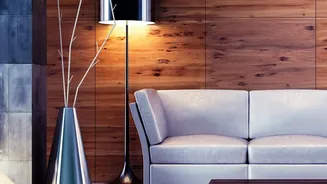
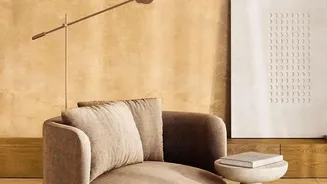
Task lighting is the workhorse of any lighting scheme. It provides focused, brighter light exactly where you need it for specific activities, preventing you from working in your own shadow. This is particularly vital in multi-functional Indian living rooms where a corner might double as a home office or a spot for a child's homework. Examples include a floor lamp next to an armchair for reading, a table lamp on a side console, or pendant lights over a dining area that's part of the living space. These focused lights allow one activity to occur without having to illuminate the entire room at full brightness, adding to the room's flexibility.
Accent Light: Adding Drama and Personality
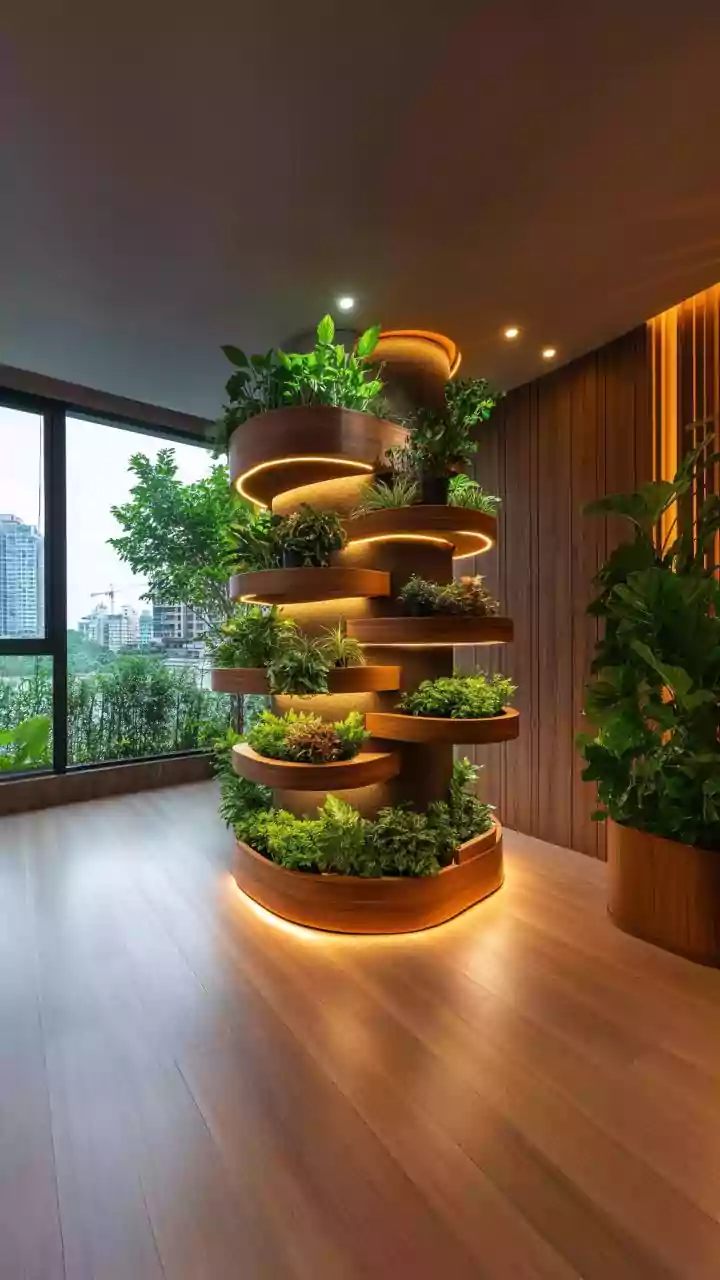
If ambient light makes a room usable and task light makes it functional, accent light is what gives it character. This layer is used to create visual interest and draw attention to the things you love. It adds depth and dimension by creating highlights and shadows. In an Indian context, accent lighting can be used to beautifully highlight traditional elements like a Kalamkari painting, a collection of brass idols in a niche, a textured wall, or an intricate wooden jali screen. This is often achieved with spotlights, picture lights, wall sconces, or LED strips tucked into shelving. For accent lighting to be effective, it should be about three times brighter than the surrounding ambient light.