




Kumbhalgarh Fort, Rajasthan
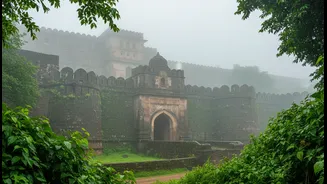
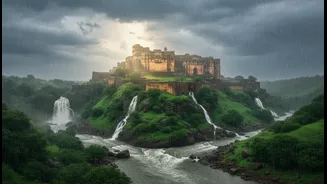
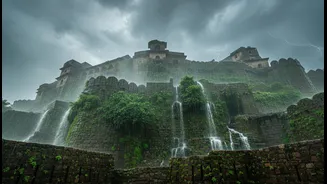
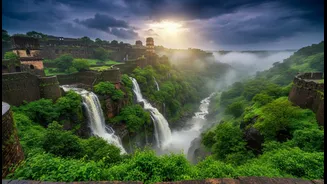
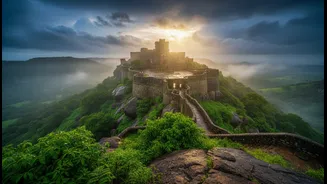
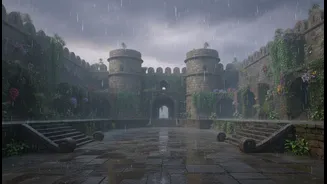
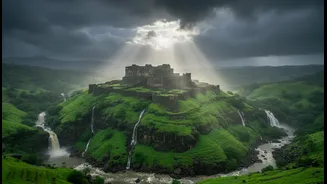
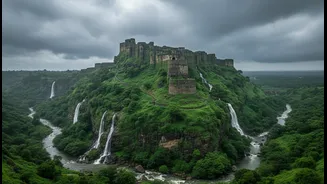
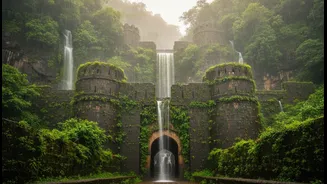
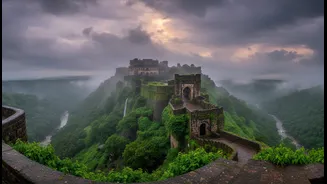
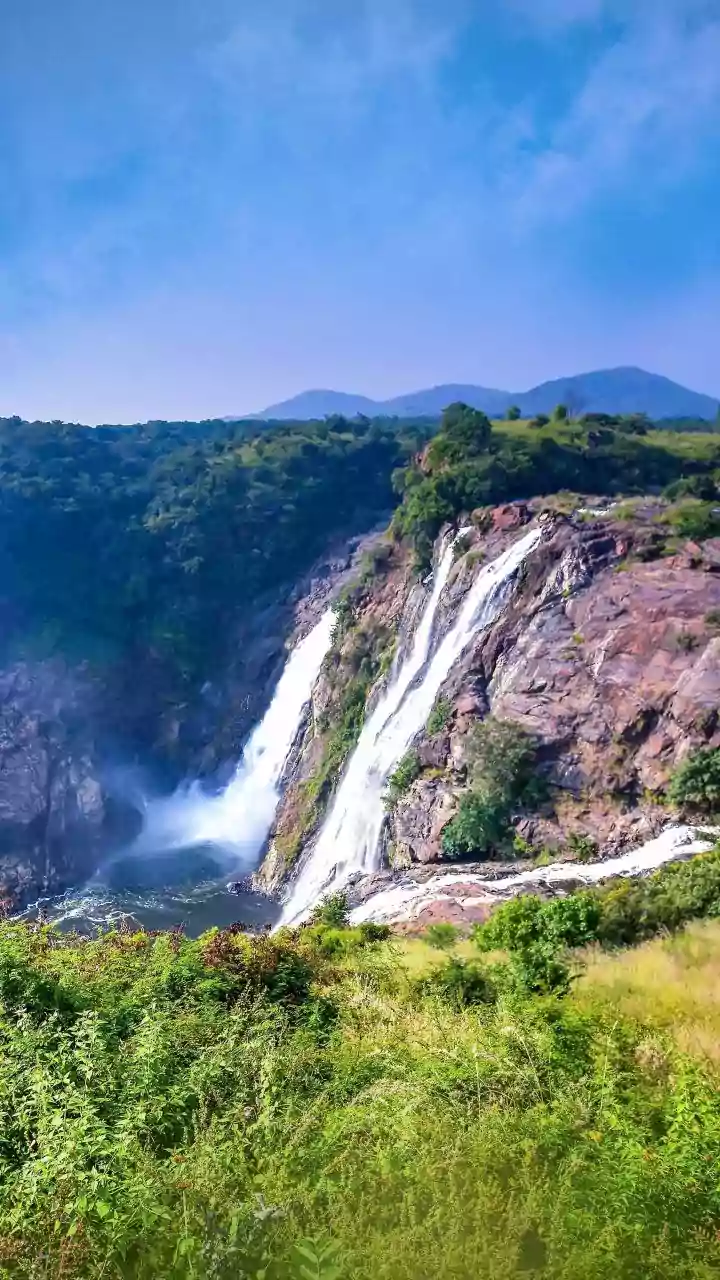
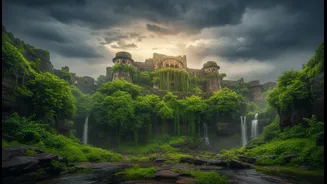
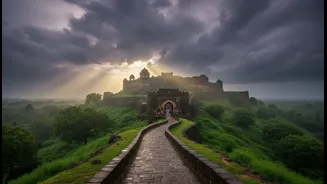
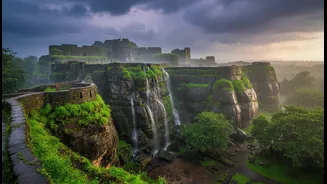
Known for its colossal wall, the second longest in the world, Kumbhalgarh Fort is a sight to behold year-round. But during the monsoon, it’s simply magical. The fort is located in the Aravalli Hills, and the rainy season carpets the typically arid range
in a blanket of emerald green. Clouds and mist often envelop the fort's 13 peaks, making it feel like you are walking through a forgotten kingdom floating in the sky. The journey from Udaipur itself becomes a scenic drive through hillsides adorned with seasonal waterfalls. The cooler temperatures make exploring the vast fortifications, including the Badal Mahal or 'Palace of Clouds' at its highest point, a truly pleasant and breathtaking experience.
Mandu, Madhya Pradesh
Mandu, often called the 'City of Joy', is an ancient fortified city that feels tailor-made for the monsoons. The entire plateau turns into a lush green landscape dotted with architectural marvels. The star attraction, Jahaz Mahal or the Ship Palace, is flanked by two artificial lakes. During the rains, when the lakes are full, the palace appears to be a majestic ship floating on water. The romance of Mandu is deeply tied to the legendary tales of Baz Bahadur and Rani Roopmati, and the monsoon mist adds an extra layer of mystique to its pavilions and tombs. The light showers and verdant surroundings make it a serene escape for history lovers and nature enthusiasts alike.
Mehrangarh Fort, Jodhpur
While Rajasthan is famous for its deserts, the monsoon offers a completely different perspective. At Mehrangarh Fort, which towers over Jodhpur, the occasional rain washes the red sandstone walls, making them gleam under dramatic, cloudy skies. The heat subsides, and cool breezes make it comfortable to explore the expansive courtyards, palaces, and the museum within this colossal structure. From the fort's ramparts, the view of the famous 'Blue City' is spectacular, with the rain-washed houses looking even more vibrant. The dramatic atmosphere makes the legends and history of the fort feel more alive than ever.
Lohagad Fort, Maharashtra
For those seeking a bit of adventure with their history, Lohagad Fort near Lonavala is a prime monsoon trekking destination. The name means 'Iron Fort', and its history is deeply connected with Chhatrapati Shivaji Maharaj. During the monsoon, the trek to the fort becomes an exhilarating journey through misty trails, verdant landscapes, and small gushing streams. The view from the top is a rewarding panorama of the lush Sahyadri mountains and the filled-to-the-brim Pawna Dam. The fort's famous 'Vinchu Kata' or scorpion's tail, a long fortified spur, is especially thrilling to explore with clouds drifting all around you.
Gingee Fort, Tamil Nadu
Known as the 'Troy of the East' for its formidable defenses, Gingee Fort in Tamil Nadu is a sprawling complex spread across three hillocks: Rajagiri, Krishnagiri, and Chandrayandurg. A monsoon visit turns the challenging trek up the hills into a picturesque climb. The surrounding countryside becomes incredibly lush, offering stunning panoramic views from the top. The fort complex includes magnificent structures like the seven-storey Kalyana Mahal, granaries, and temples. Exploring these ancient ruins amidst the fresh greenery and cool air of the monsoon provides a unique blend of adventure, history, and natural beauty.